Get all your news in one place.
100’s of premium titles.
One app.
Start reading
Kiplinger
Kiplinger
Business
Kelley R. Taylor

Trump Tariffs Supreme Court Ruling: What's Next for Consumers and Retailers

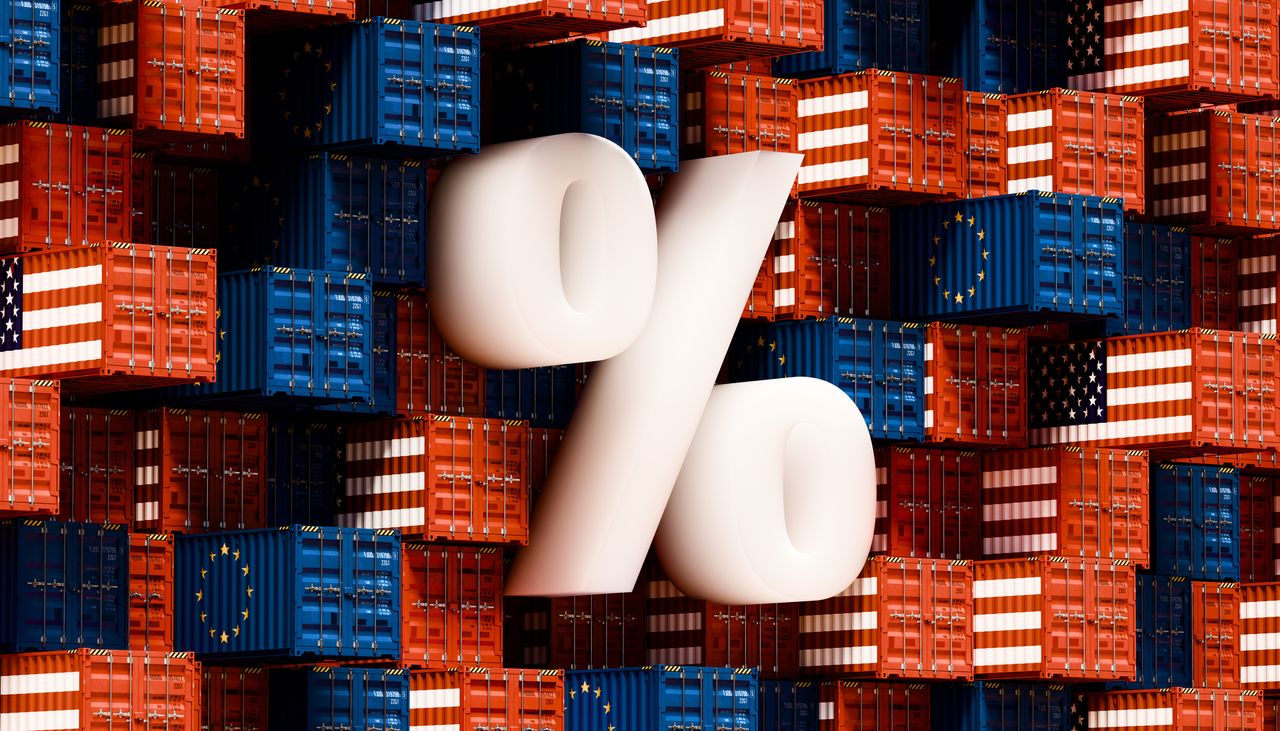
Zero percent sign on import cargo boxes.

On February 20, 2026, the United States Supreme Court delivered a major blow to President Donald Trump’s economic program by striking down his sweeping global tariffs in a 6–3 decision.

The Court concluded that Trump lacked the authority to impose broad import taxes under the 1977 International Emergency Economic Powers Act (IEEPA). The ruling that upends one of his administration’s signature economic tools and could have far-reaching effects on consumers, businesses, and U.S. trade policy.
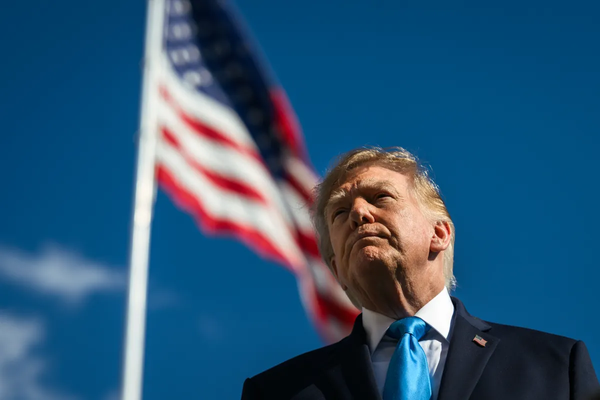
In a press conference that Friday afternoon, Trump described the decision as "deeply disappointing" and "terrible."

Chief Justice John Roberts wrote the majority opinion, joined by Justices Sonia Sotomayor, Elena Kagan, Neil Gorsuch, Amy Coney Barrett, and Ketanji Brown Jackson. Justices Samuel Alito, Clarence Thomas, and Brett Kavanaugh dissented.

Here’s more of what you need to know about the ruling and what it means for prices and your wallet.

Trump's tariffs ruled illegal

In the majority opinion, SCOTUS held that Trump's sweeping tariffs were implemented without specific congressional authorization and exceeded the powers granted to the president.

Writing for the Court, Justice Roberts emphasized that the Constitution vests tariff-setting authority in Congress, not the executive branch.

"The president asserts the extraordinary power to unilaterally impose tariffs of unlimited amount, duration, and scope … in light of the breadth, history, and constitutional context of that asserted authority, he must identify clear congressional authorization to exercise it."

The majority found that IEEPA grants the president significant emergency powers over foreign assets and transactions, but that the statute does not clearly authorize across-the-board tariffs. So, absent explicit statutory language allowing such sweeping tariffs, the Trump administration’s levies couldn't stand.

  • The decision arises from consolidated challenges, including Learning Resources v. Trump and Trump v. V.O.S. Selections, Inc.
  • Those cases challenged whether IEEPA permitted dramatic tariffs on imports from Canada, China, Mexico, and dozens of other countries under declarations of economic emergency.
  • In striking down the tariffs, the Supreme Court agreed with the lower courts that the statute’s language simply doesn't authorize broad tariff powers and that the president had effectively exercised a power that, under Article I of the Constitution, belongs to Congress.

At their peak, the Trump administration's sweeping tariffs covered most U.S. imports, with levies ranging from 10% to more than 100% on various goods. The economic effects have been felt across global markets and domestic supply chains.

What the tariffs ruling means for consumers

For U.S. households, the stakes could be significant.

Tariffs function as taxes on imported goods, and economists widely agree that those costs are typically passed along to consumers in the form of higher prices.

  • In a February New York Fed tariff study, researchers found that roughly 90% of the cost of the tariffs was borne by U.S. consumers and importers, rather than by foreign exporters.
  • The analysis, which has been criticized by Trump administration officials, reinforces earlier academic findings that American households absorbed the vast majority of tariff-related price increases, particularly in categories including electronics, household goods, auto parts, and clothing.

Meanwhile, more than $175 billion in tariff revenue has reportedly been collected since Trump's sweeping tariffs were levied. Whether importers are entitled to refunds — and how those refunds would be processed — is not resolved by the Court's ruling. The absence of such guidance in the majority opinion sets the stage for what could become a contentious second phase of litigation.

Some businesses that paid the levies might seek reimbursement through the Court of International Trade or administrative claims processes. As Kiplinger reported, some retailers, like Costco, had already filed suit to preserve the potential right to potential tariff refunds.

The dissenting opinion and Justice Kavanaugh

The three dissenting justices — Clarence Thomas, Samuel Alito, and Brett Kavanaugh — argued that the majority read IEEPA too narrowly.

  • They argued that the statute grants the president broad authority to “regulate” international economic transactions during a declared national emergency and that tariffs fall within that regulatory scope.
  • In their view, courts should defer substantially to the executive in matters touching foreign affairs and national economic security.

The dissenting justices warned that the majority’s approach unduly restricts presidential flexibility in responding to rapidly evolving global threats and second-guesses long-standing executive practice in the trade arena.

However, Justice Kavanaugh is his dissent noted: "[Although] I firmly disagree with the Court’s holding today, the decision might not substantially constrain a President’s ability to order tariffs going forward … because numerous other federal statutes authorize the President to impose tariffs and might justify most (if not all) of the tariffs at issue in this case."

Section 122 and the bottom line?

The SCOTUS ruling on tariffs reaffirms foundational separation-of-powers principles. By requiring clear congressional authorization for sweeping tariffs, the Court seems to have limited the scope of unilateral presidential trade action.

However, Trump, who has framed tariffs as essential to protecting U.S. jobs, industries, and long-term economic strength, hinted Friday at "forthcoming very powerful alternatives" to impose tariffs, while expressing disdain for the Court's ruling and the conservative justices who joined the majority.

The president quickly pledged to impose 10% global tariffs in the coming days under a rarely used, limited provision, and the next day bumped that number to 15%. Under Section 122 of the Trade Act of 1974, the president can generally impose temporary import surcharges of up to 15%.

Not long after the ruling, Speaker of the U.S. House of Representatives, Mike Johnson (R-La.) lauded the presiden'ts ue of tariffs but hinted at potential forthcoming action, posting the following on X:

"Congress and the Administration will determine the best path forward in the coming weeks."

For consumers and retailers, the longer-term impact will depend on how quickly the IEPPA tariffs are lifted, whether refunds are ordered (and who will receive them), and whether a deeply divided Congress steps in with new legislation. Stay tuned.


This article has been updated to include information from President Trump's February 20 press conference.

Read More

Sign up to read this article
Read news from 100’s of titles, curated specifically for you.
Already a member? Sign in here
Related Stories
Top stories on inkl right now
One subscription that gives you access to news from hundreds of sites
Already a member? Sign in here
Our Picks
Fourteen days free
Download the app
One app. One membership.
100+ trusted global sources.