
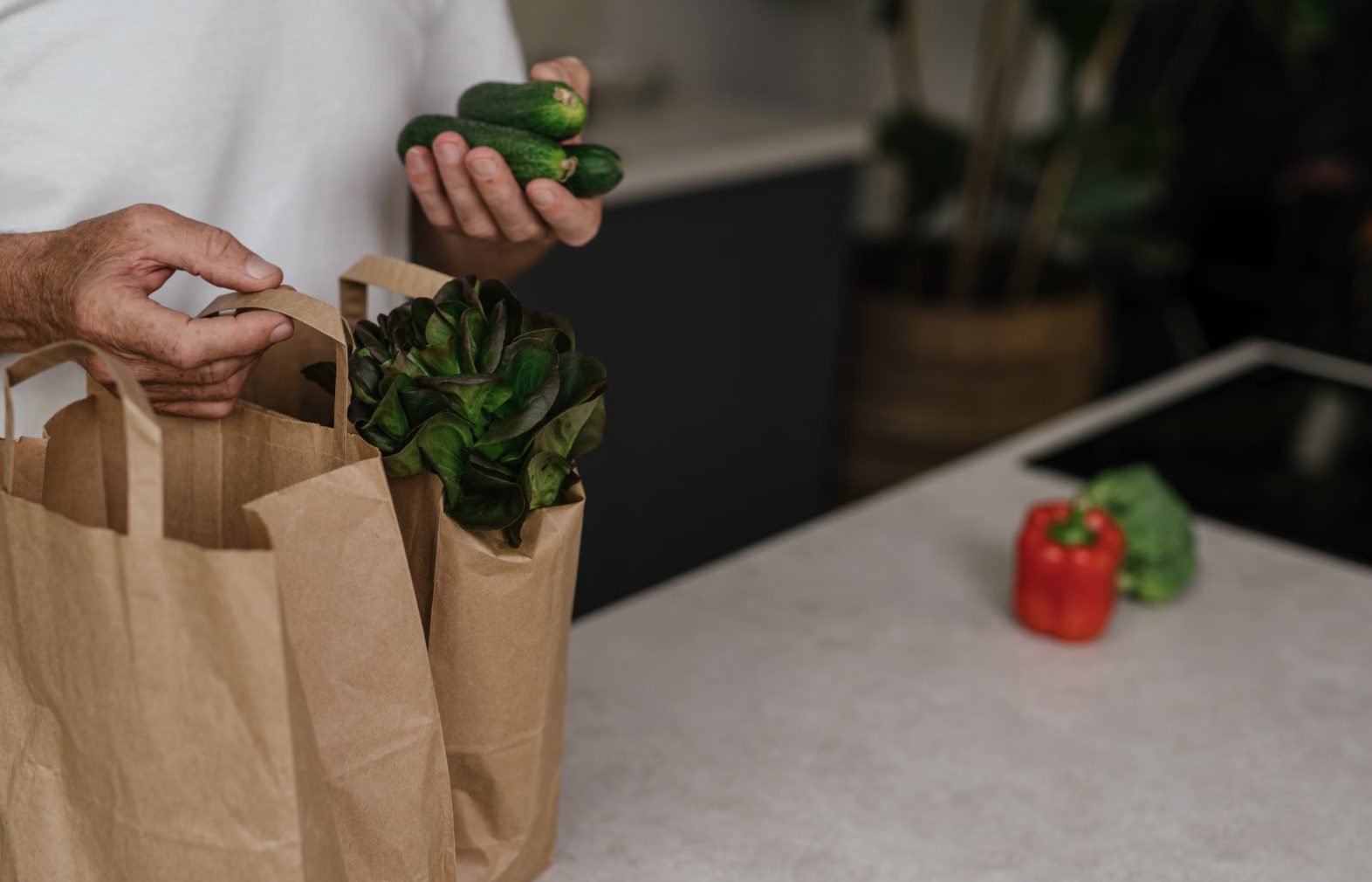
Families often face higher grocery bills when school cafeterias close for summer, making it harder to stretch a monthly budget. The Summer EBT program, also known as SUN Bucks in many states, was created to help bridge that gap with grocery assistance for eligible children. In most participating states, eligible families can receive a one-time $120 grocery benefit per child for the summer. But is it too late to be eligible? Here’s wht you need to know.

Not Every Family Has to Apply for Summer EBT
One of the biggest misconceptions about Summer EBT is that every family must complete an application. In many participating states, children who already receive benefits through SNAP, TANF, FDPIR, or who qualify for free or reduced-price school meals through income are automatically enrolled. That means eligible families may receive benefits without taking additional steps if their information is already current. However, families who are not automatically enrolled may still qualify and should check with their state’s Summer EBT program before application deadlines pass. Taking a few minutes to verify your status could prevent missing a valuable benefit.
The $120 Benefit Can Make a Real Difference
The standard Summer EBT benefit is $120 per eligible child in the 48 contiguous states and Washington, D.C., although benefit amounts differ in Alaska, Hawaii, and certain U.S. territories because of higher food costs. While $120 may not cover an entire summer’s groceries, it can significantly offset expenses for essentials like milk, fresh produce, bread, eggs, and lean protein. For a family with three eligible children, that could mean up to $360 toward groceries during school break. Many parents use the funds to stock healthy snacks and lunch ingredients that replace meals normally served at school. With grocery prices remaining elevated, every dollar can help reduce financial pressure.
Summer EBT Works Like a Regular Grocery Card
Summer EBT benefits are loaded onto an existing EBT card for many families or mailed on a separate card if one is needed. The funds can generally be used at authorized grocery stores, participating farmers markets, convenience stores, and many online retailers that accept SNAP benefits. Eligible purchases include fruits, vegetables, dairy products, meat, poultry, cereals, and other qualifying grocery items. Like SNAP, the benefit cannot be used for hot prepared foods, household supplies, alcohol, tobacco, or personal care products. Knowing these rules ahead of time helps families avoid confusion at checkout.
Participation Depends on Where You Live
Although Summer EBT is a federal program, each state decides whether to participate. That means eligibility alone does not guarantee benefits if your state has chosen not to operate the program for a particular year. Families should always confirm whether their state is participating instead of assuming the benefit is available nationwide. Checking early is especially important for families that recently moved or whose children changed schools.
It should also be noted that there are deadlines for applying for Sun Bucks. The deadline will depend on where you live. In North Carolina, for example, the deadline to apply for Sun Bucks is August 15. So, it’s important to check what the rules are where you are.
Making the Most of Your Summer Grocery Benefit
A little planning can make Summer EBT stretch much further than many families expect. Shopping weekly sales, buying frozen fruits and vegetables, and choosing store-brand staples often allows the benefit to cover more meals. Parents also combine Summer EBT with local summer meal sites, food pantries, and farmers market incentive programs to maximize their food budget. Keeping your mailing address and school records current also helps ensure benefit cards arrive without delays. Small planning decisions today can translate into more nutritious meals throughout the summer.
The Bottom Line for Families This Summer
Summer EBT offers meaningful grocery assistance for millions of eligible children when school meals are unavailable. The key is understanding whether your family qualifies, whether your state participates, and whether you need to submit an application. Spending just a few minutes reviewing your eligibility could result in $120 per child that helps ease summer grocery costs. Even families already receiving other benefits should verify their information remains up to date.
Have you received Summer EBT before, or do you have questions about qualifying? Share your experience in the comments to help other readers navigate the program.
What to Read Next
SUN Bucks 2026: How Families of Special Needs Students Can Claim Summer EBT Grocery Benefits
Texas & Florida SNAP: April 1 “High‑Sugar” EBT Ban Explained
Why Some Parents Are Going Into Debt to Hide Financial Struggles from Their Kids
The post Summer EBT Facts That Could Put $120 on Your Grocery Card appeared first on Kids Ain't Cheap.