
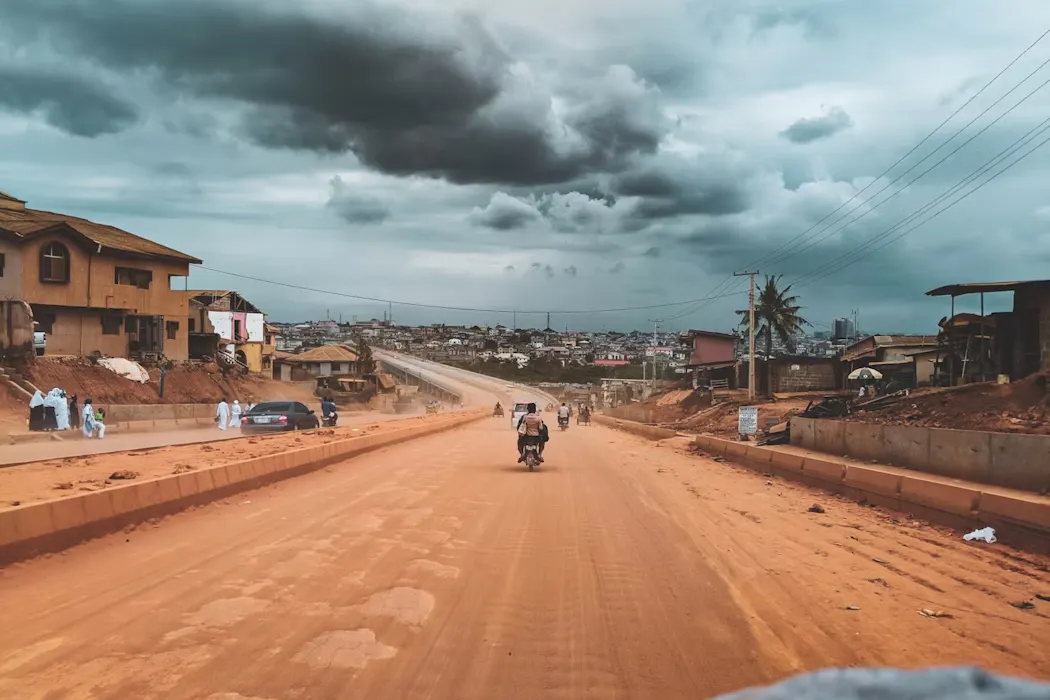
For years, the world has understood climate change as an environmental problem – melting glaciers, rising seas, extreme weather. But what happens in people’s minds when their world becomes unstable? What do they do when the only life they’ve known – farming, herding, providing for their families – becomes impossible?
These questions drove our team of psychiatrists and public health researchers to conduct one of the largest studies of its kind in west Africa. We interviewed 20,000 adults across 40 communities in Kano, Kaduna and Katsina states, a region that sits in the semi-arid Sahel belt. Agriculture is a major source of employment and livelihood in an area that is among the most climate-vulnerable in Nigeria.













