Get all your news in one place.
100’s of premium titles.
One app.
Start reading
The Times of India
The Times of India
Lifestyle
TIMESOFINDIA.COM

Study finds dengue virus becomes more lethal in high temperature

A new study by researchers at the Rajiv Gandhi Centre for Biotechnology has found that dengue becomes more severe in animal models when its virus (DENV) is exposed to high temperatures. The study has been published in The Federation of American Societies of Experimental Biology.

Key findings of the study
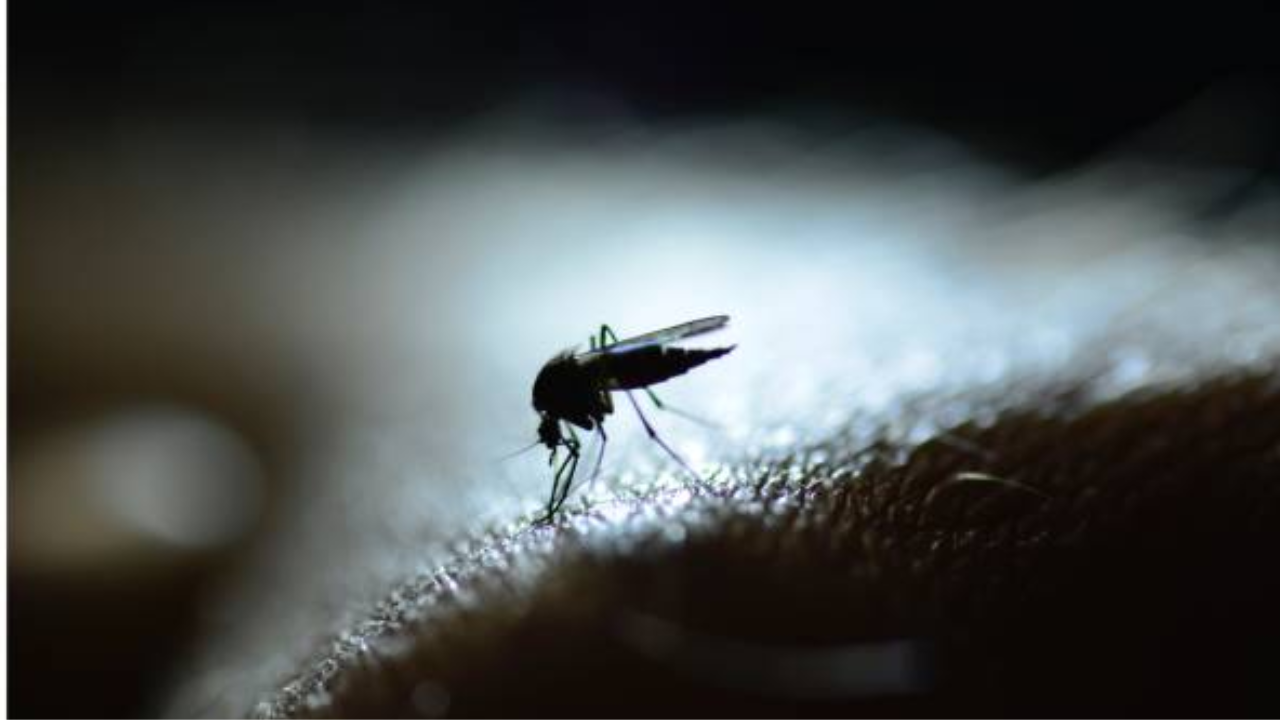
Warmer temperatures make the virus grow faster inside mosquitoes, so they can spread it to humans more quickly. It is because of the short incubation period of virus. In mice, the stronger version of the virus from higher temperatures increased the viral load a lot more in the blood of mice, which can cause serious damage to important organs like the heart, liver, and kidneys, and can sometimes lead to death. Lead author of the study Dr Easwaran Sreekumar told IANS in an interview that,” DENV or dengue virus cultured at a higher temperature in mosquito cells was significantly more virulent than the virus grown at a lower temperature."

Why does the study assume significance

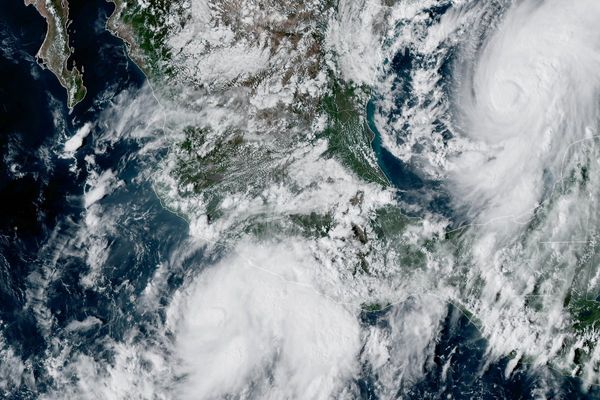
Global warming has led to incessant rainfalls worldwide, which has influenced the breeding of mosquitoes. There is a chance that more severe disease conditions and a more virulent dengue virus will emerge. “With dengue outbreaks happening in various parts of the country, this aspect has never been looked into. Our study alludes to the growing implications of global warming and its possible effects on infectious disease dynamics," the researchers of the study said.

Globally, there has been a rise in the incidence of dengue. The severity and fatality of the disease has also increased. While in majority of the patients, the disease is mild.In others it can cause life-threatening thrombocytopenia (extremely low platelet count in the blood) and shock syndrome

The study can be a breakthrough in the medical community, who are working on preventive and curative medicines to deal with dengue outbreaks as this is a recurrent disease in India. Even after decades of research, there are still no effective vaccines or antivirals to control or prevent the disease. This study will have major implications in predicting severity of dengue outbreaks." said professor Chandrabhas Narayana, director of RGCB.

What causes dengue

Dengue is a viral infection caused when a person is bitten by an infected Aedes aegypti female mosquito. According to the WHO, the disease is endemic in more than 100 countries. Among them, the most seriously affected regions are The Americas, South-East Asia, and Western Pacific regions, with Asia representing around 70% of the global disease burden.

(With inputs from IANS)

Sign up to read this article
Read news from 100’s of titles, curated specifically for you.
Already a member? Sign in here
Related Stories
Top stories on inkl right now
One subscription that gives you access to news from hundreds of sites
Already a member? Sign in here
Our Picks
Fourteen days free
Download the app
One app. One membership.
100+ trusted global sources.