
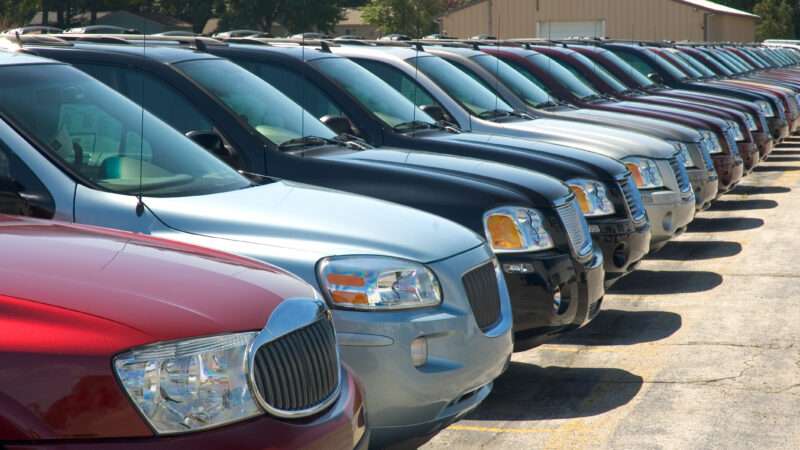
I recently pulled into a store parking lot and noticed a woman with only a small bag of groceries heading to her car. She slipped behind the steering wheel of a 5,000-pound SUV, quickly cranked the turbocharged 200-horsepower engine, and drove away. Recognizing an engineering masterpiece that had evolved in a highly regulated world, I couldn't help but think about the front-row seat I had to the events that accidentally spurred the rise of these vehicles. As the White House moves to subsidize the domestic manufacture of electric vehicles and their batteries, and as it writes regulations calling for tougher fuel economy standards, it's worth remembering how we got to this point.
The White House has promised that this will all have a positive impact on global climate change and save us money when fueling our SUVs. Hopefully that's true, but no one in government is systematically keeping score and reporting. The industry has become so overloaded with subsidies and regulations that it's hard to tell what policies, if any, would reduce production costs and save consumers money, let alone help solve climate change.















