Get all your news in one place.
100's of premium titles.
One app.
Start reading
The Conversation
The Conversation
Environment
Jeremy Orr, Adjunct Professor of Law, Michigan State University

Stripping federal protection for clean water harms just about everyone, especially already vulnerable communities

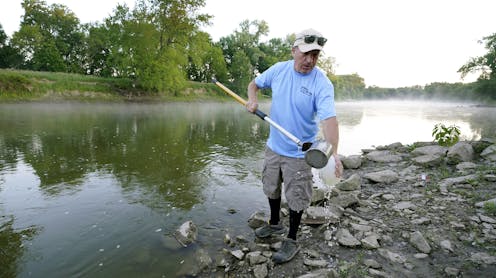
A Des Moines Water Works employee takes samples from a nearby river for analysis. The regional water utility delivers drinking water to more than 500,000 Iowans. AP Photo/Charlie Neibergall

Before Congress passed the Clean Water Act in 1972, U.S. factories and cities could pipe their pollution directly into waterways. Rivers, including the Potomac in Washington, smelled of raw sewage and contained toxic chemicals. Ohio’s Cuyahoga River was so contaminated, its oil slicks erupted in flames.

That unchecked pollution didn’t just harm the rivers and their ecosystems; it harmed the humans who relied on their water.

Sign up to read this article
Read news from 100's of titles, curated specifically for you.
Already a member? Sign in here
Related Stories
Top stories on inkl right now
One subscription that gives you access to news from hundreds of sites
Already a member? Sign in here
Our Picks
Fourteen days free
Download the app
One app. One membership.
100+ trusted global sources.