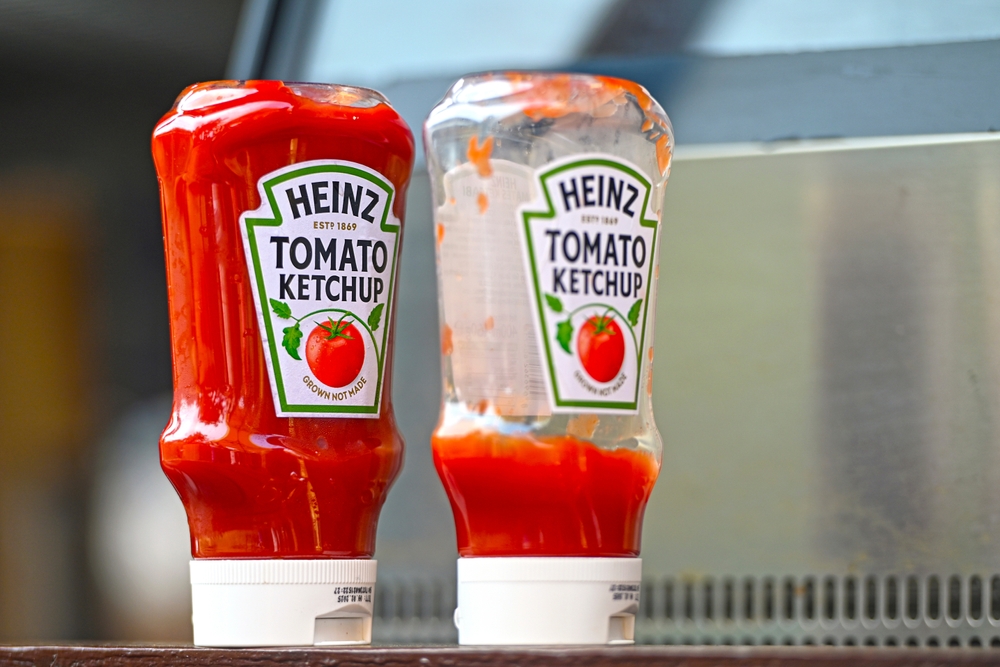
Old ketchup bottles pile up in kitchens because they feel too useful to toss yet too messy to recycle. Most sit half-rinsed in a sink, waiting for a moment that never comes. The design makes every last drop cling to the sides, leaving a surprising amount of sauce behind. And that waste adds up. A simple shift in how these bottles are used changes the equation. This guide focuses on one practical approach that gives old ketchup bottles a second life and keeps clutter out of the trash. The primary keyword is old ketchup bottles, and the goal is simple: make them work harder than they ever did in the pantry.

1. Turn Old Ketchup Bottles Into Precise Batter Dispensers
Most cooks know the frustration of pouring pancake or waffle batter from a bowl. It splatters, sticks, and leaves a trail across the counter. Old ketchup bottles solve that. The narrow opening creates clean lines of batter with almost no mess. Thick mixtures fit easily if whisked well, and the squeeze motion gives total control over portion size. For anyone who regularly uses old ketchup bottles, this makes breakfast a calmer operation. It also eliminates the guesswork that creates uneven pancakes and rushed cleanups.
Rinse the bottle thoroughly, shake it with warm water, and clear the cap. Fill it only two-thirds of the way to keep pressure steady. The hack works for pancake batter, crepe batter, and even scrambled egg mixes. It’s simple, cheap, and fast. No extra gadgets needed.
2. Use Them for Homemade Cleaning Solutions
Old ketchup bottles handle liquids well. That makes them ideal for storing homemade cleaning blends. Vinegar mixes, mild soap solutions, and diluted detergents all fit without leaking. The squeeze action gives accuracy, while spraying bottles often overshoot or mist areas unintentionally. This hack also keeps harsh chemicals out of open containers that might tip over under the sink.
There’s another advantage: labeling. Write directly on the plastic. No special markers or stickers required. And for households tracking cleaning expenses, reusing old ketchup bottles reduces single-use plastic and the need for replacement containers.
3. Store Bulk Condiments or Sauces
Buying condiments in bulk saves money but creates a storage issue. Giant containers are heavy and awkward to pour. Old ketchup bottles fix that. Fill them with oil, soy sauce, vinegar, or marinades. The controlled pour prevents over-seasoning, especially with high-sodium sauces that tend to gush from their original containers.
This method also helps maintain consistency in meal prep. The bottles stack neatly in the fridge door and stay sealed. And when making slow-cooker or sheet-pan meals, that squeeze pressure provides even coverage without guesswork. The simple shape works far better than oversized plastic jugs.
4. Keep Paint Projects Tidy
Paint cans dry out, spill, and clutter shelves. Old ketchup bottles reduce that stress. When filled with craft paint or touch-up wall paint, they limit air exposure and give precise application. Small cracks, corners, and trim lines become easier to handle when only a thin stream of paint is released at a time.
Shake the bottle vigorously before each use. The cap cleans with a quick wipe. For families doing school projects, the bottles turn chaotic craft sessions into manageable ones. No paint crust around the can rims. No accidental puddles on the table. And when stored upright, they last far longer than expected.
5. Use Them for Outdoor Projects
Gardening tasks often call for a precise flow of liquids. Fertilizers, plant food mixes, and homemade pest sprays all benefit from controlled distribution. Old ketchup bottles provide exactly that. They eliminate runoff that harms plant roots and prevent heavy pours that can strip soil. Even a beginner gardener can regulate feeding cycles with better accuracy.
The same bottles work for camping trips. Bring dish soap, cooking oil, or pancake batter, but avoid bulky containers. The lightweight structure cuts load weight and keeps materials sealed during transport. The versatility extends far beyond the kitchen, making old ketchup bottles reliable outdoor tools.
6. Make Controlled Drizzles for Dessert Toppings
Thick syrups, melted chocolate, and caramel harden quickly when left uncovered. Old ketchup bottles slow that process by limiting air exposure. The squeeze motion creates thin, clean lines across cakes, brownies, or ice cream. It looks intentional without requiring pastry tools or piping bags. For families making treats at home, this produces consistent drizzles without the usual mess.
There’s also better storage. The bottles keep sticky ingredients from trapping ants or leaking down the sides of jars. They remain sealed, upright, and easy to clean. And the hack costs nothing beyond the slight effort of rinsing the original bottle.
A Smarter Way to Use What You Already Have
Old ketchup bottles offer more value than expected when they’re cleaned and repurposed. They store liquids securely, pour accurately, and stand up to frequent use. Many homes throw them out without thinking, but these containers have a life far beyond their first use. The trick is simple: treat them as tools, not trash.
What other uses have you found for old ketchup bottles?
What to Read Next…
- 7 Trending Flavors That Are Just Weird Rebrands Of Ketchup
- 5 Foods You Should Never Buy At The Grocery Store And Make At Home Instead
- 5 Secret Grocery Store Hacks That Save You Big Money
- 5 Ways Companies Are Making Millions From Your Gift Cards
- Stop Buying Keto Products: Here’s Why
The post Stop Wasting Old Ketchup Bottles: Do This Genius Hack Instead appeared first on Grocery Coupon Guide.