
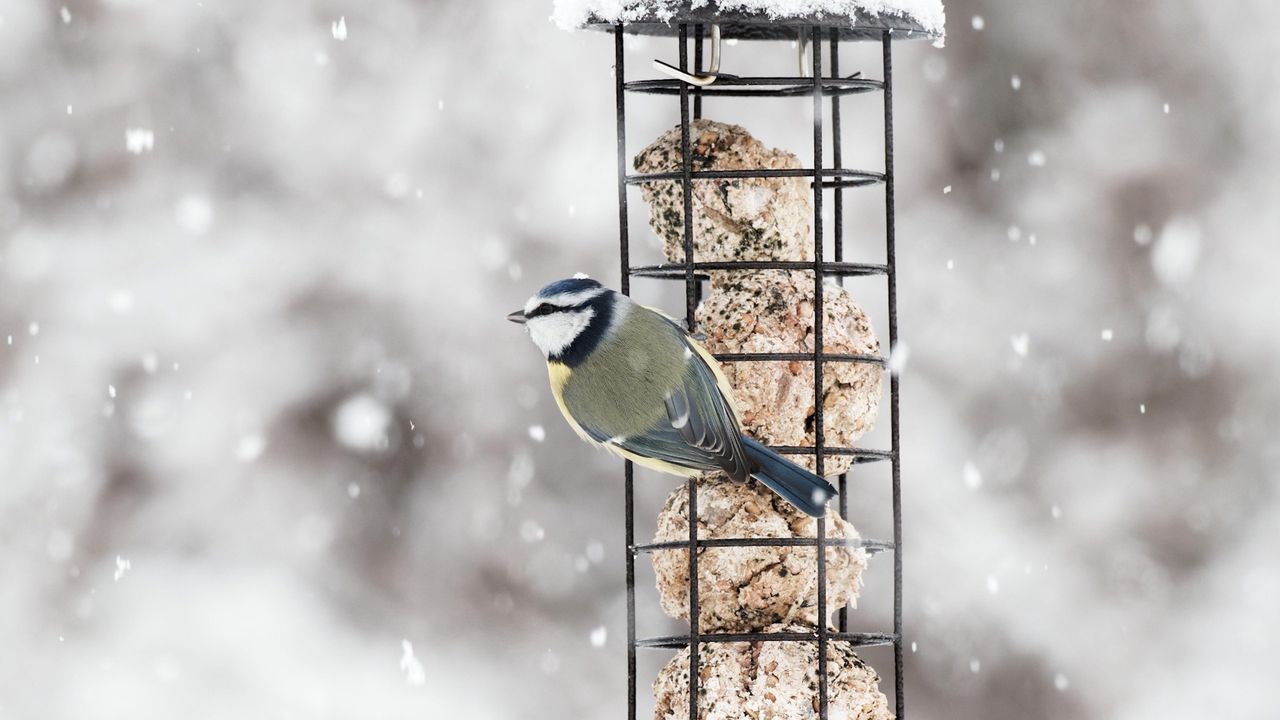
Feeding birds in winter is vital as other natural food sources become scarce. But, there's one popular product you should think twice about purchasing: suet balls.
While high-quality suet balls are full of nutrients and are energizing, beneficial for feeding garden birds in winter, many of the low-cost suet balls on the market contain filler ingredients (including things like sawdust) that are not so healthy for birds and can even cause harm.

For this reason, suet ball alternatives (like these peanut suet pellets from Amazon) are often the better choice. These alternatives are packed with nutritional ingredients that will actually help garden birds in winter and not cause illness. Here, we take a look at why cheap suet balls should be avoided this winter and the worthwhile alternatives to spend your money on instead.
Why Should You Avoid Cheap Suet Balls?

High-quality suet balls, or fat balls, are packed with nutrients and provide energy that keeps birds warm in the most challenging conditions of the winter months.
But, some suet balls have been found to have filler ingredients.
'Some of the ‘fillers’ used in low priced products including sawdust, sand, and chalk,' warns Lucy Taylor of Vine House Farm Bird Foods. 'You won’t need to be a bird expert to know that such ingredients are not only useless but also potentially harmful,' she adds.
Though, Lucy shares this is less common in products like suet pellets and blocks (you should, however, always check the ingredients before putting them out in your yard).
Warning signs include the suet balls being extremely cheap and ingredients not being listed on the packaging.
Many of the harmful ingredients added to these products are undigestible and can threaten birdlife.
Not only this, but suet balls that come in netting ready to hang up can be hazardous for birds, trapping their feet.
Instead, bird feeders for fall and winter should be used, like this metal cage bird feeder from Amazon. You can even try making a natural bird feeder for your yard.
With this in mind, here are six of the best suet ball alternatives for feeding birds in winter.
6 Suet Ball Alternatives
This bird mix includes a blend of seeds and suet pellets, packed with nutrients to keep birds energized through the winter months.
Black oil sunflower seed is full of oil and fat, perfect for feeding and supporting birds during the coldest months. Simply mix in with bird seed in your bird feeder, or lay out on a surface.
This suet dough is a blend of corn, roasted peanuts, rendered beef suet, oats, and soybean oil. It's suitable for a wide range of wild garden birds that frequent backyards.
Mealworms are another source of protein and fat for birds. They're beneficial to put in bird feeders year-round, but are extra beneficial in winter when birds need to maintain energy most.
This one may be surprising, but you can put cooked, plain pasta in bird feeders to provide birds with a boost of carbohydrates and energy. Though, it should be noted, this should not be a replacement for bird seed, rather an occasional treat.
This suet dough is a berry mix. Fruits and berries are vital to a healthy diet for birds, full of natural sugars. When natural sources become more scarce in winter, this berry suet is a good substitute.
Alongside these suet ball alternatives, consider adding native plants to feed birds in winter to your yard.
Winter Bird Feeding Accessories
Use this bird bath heater to stop a bird bath from freezing over in winter. It's submersible and has an automatic thermostat.







