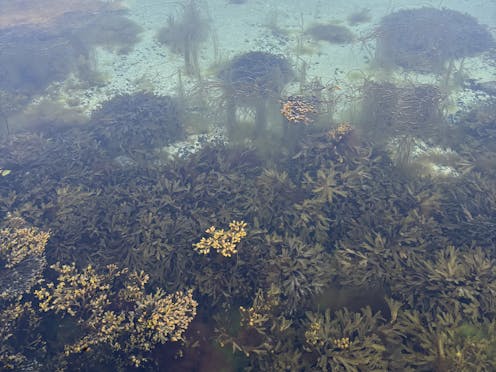
At the end of the last ice age, billions of boulders and cobbles were left scattered over southern Scandinavia. Huge ice sheets had dragged the rocks from mountainous regions further north down to the Baltic Sea areas. When those ice sheets retreated and sea levels rose, these colossal boulders became rocky reefs, rich with marine life. These rocks formed part of a naturally resilient coast, proving a rugged structure for waves to break and reducing pressure on the seashore.
For centuries these reefs have been exploited as building materials. This practice of “stonefishing” occurred extensively across Denmark and was only banned in 2010 by which time the rocky shore had been depleted, leaving only smaller rocks on the seabed. Now that it’s illegal, Denmark is scrambling to recover marine life and prepare for rising sea levels by restoring these reefs.