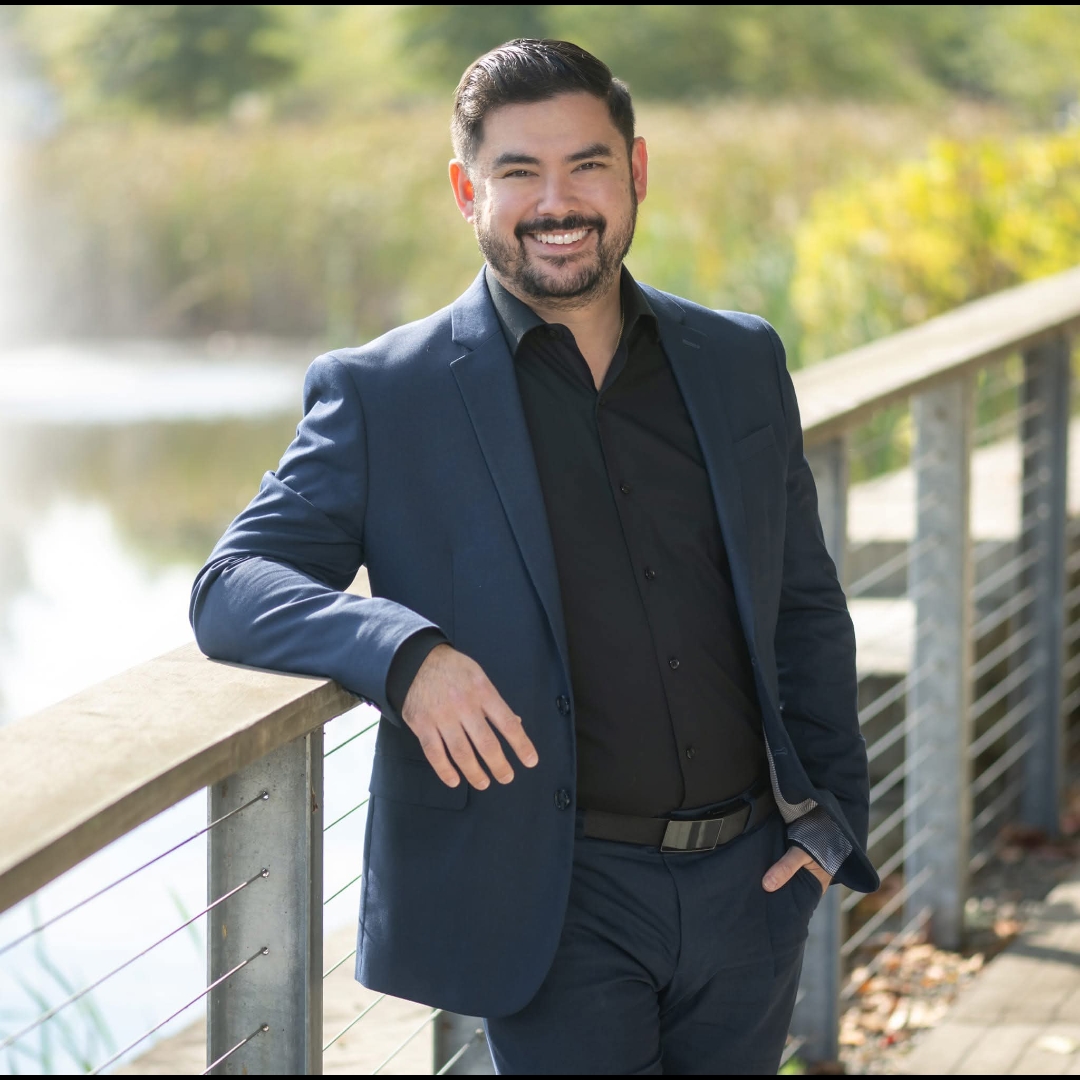
A Turning Point That Redefined Direction
For many professionals, career growth follows a steady and predictable path. For others, it is shaped by disruption, hardship, and the need to rebuild from the ground up. The story of Steve Yao Manchester falls into the latter category. His journey reflects a shift from personal struggle to professional clarity, grounded in accountability and discipline.
Steve Yao built his early career in enterprise sales with a strong interest in communication and problem solving. From a young age, he invested time in public speaking and writing, learning how to break down complex ideas and present them clearly. Those skills would later become central to his work in the semiconductor and electronics space, where technical knowledge and clear communication intersect daily.
There was another battle being fought in the background while he was making advancements in his professional career. He began to drink alcohol heavily and became dependent on drugs, which ultimately took a toll on his mental health and caused instability in his life. Eventually, enough pressure had built up that it became unbearable.
Facing Crisis and Accepting Help
The defining moment came during a mental health crisis that resulted in an arrest. What could have been viewed solely as a setback instead became a turning point. It exposed the severity of the situation and forced a confrontation with reality.
According to his background, the incident served as a wake up call rather than an endpoint. It marked the beginning of a recovery process supported by family, friends, and a growing network focused on mental health and substance use recovery.
Recovery did not happen overnight. It required structure, consistency, and a willingness to change long standing habits. For Steve Yao, this period became the foundation for everything that followed, both personally and professionally.
Building Discipline Through Recovery
One of the most significant outcomes of recovery was the development of discipline. Instead of reacting to daily stress and uncertainty, Steve Yao learned to approach each day with intention. This shift in mindset influenced how he structured his routines and managed his responsibilities.
Daily habits became a priority. Consistent sleep, physical activity, and mental health practices such as meditation and therapy created stability. These routines were not separate from his work. They directly supported his ability to perform in a demanding sales environment.
Salespeople typically experience fluctuations in performance throughout different periods. High-performing and low-performing periods happen regularly. By focusing on short-term daily activities he could control, Steve was able to sustain his level of production during periods of uncertainty as to whether he would make any sales in a quarter or not. This reinforces the larger philosophy that success comes from consistently performing at an average level over the long term versus only being a high performer for a few times throughout the year.
Translating Recovery Into Professional Strength
The discipline developed through recovery translated directly into his leadership style. In enterprise sales, especially within semiconductor supply chains, adaptability and communication are essential. Markets shift quickly. Demand changes. External factors can disrupt even the most stable operations.
Steve Yao Manchester applies a relationship driven approach to these challenges. He emphasizes preparation before engagement. Researching a client’s business, understanding their pain points, and identifying clear objectives before a meeting are standard practices in his workflow. This preparation allows him to enter conversations with clarity and purpose.
Communication is the core of Supply Chain Management. With supply chains moving at such a rapid pace, any disruption requires immediate attention and needs to be resolved quickly. Consequently, strong partnerships based upon trust lead to much more rapid and effective assessment of problems. Steve Yao’s method demonstrates the understanding that the sales process is not simply about transactions, it is also a long term effort with shared goals between companies involved in the supply chain.
Curiosity and Practical Understanding
Another defining trait in his professional approach is curiosity. Rather than focusing solely on technical expertise, Steve Yao prioritizes understanding how technology creates value for the end user. This perspective allows him to communicate effectively with engineers, procurement teams, and executives alike.
In the semiconductor industry, technical complexity can create barriers between stakeholders. By focusing on practical applications and clear explanations, he bridges those gaps. This ability to translate complex information into actionable insights strengthens relationships and builds credibility.
Curiosity also supports continuous learning. The technology landscape evolves rapidly, and staying competitive requires ongoing education. Instead of memorizing details, the focus remains on understanding how products solve real problems. This approach aligns with the broader goal of delivering value rather than simply presenting information.
Consistency as a Defining Standard
Consistency is often cited as a key factor in professional success, but it is rarely easy to maintain. For Steve Yao Manchester, consistency is directly tied to the habits formed during recovery. It is not dependent on motivation or external conditions. It is built into daily routines.
The impact of this steady state goes further than just personal performance; it also impacts how they interact with customers, assist coworkers, and approach long-term objectives. Resilience and persistence are essential components of this approach. The focus is placed on ways to keep the process moving forward during periods of fluctuating results versus responding emotionally to the fluctuations in the final results.
This mindset distinguishes strong performers from exceptional ones. In high pressure environments, the ability to remain steady and focused creates a competitive advantage.
Adapting to a Changing Industry Landscape
The semiconductor and electronics industries are defined by constant change. Supply chains are influenced by global demand, geopolitical shifts, and rapid product cycles. Adaptability is not optional. It is required for survival.
Steve Yao has built his approach around this reality. Experienced supply chain partners, strong industry relationships, and an understanding of emerging trends all contribute to effective adaptation. Rather than resisting change, the focus is on anticipating it and preparing accordingly.
This forward looking perspective is supported by ongoing networking and collaboration. Engaging with industry professionals, attending events, and sharing knowledge helps maintain awareness of shifting conditions. It also creates opportunities for growth and partnership.
Leadership Grounded in Accountability
Enterprise Sales Leadership is primarily results driven. However, the underlying basis for successful leaders is accountability. The foundation of accountability, according to Steve Yao, starts with taking personal responsibility. In order to recover, we need first to acknowledge what has happened and make a commitment to do better in the future.
This principle carries into his professional life. Clear expectations, consistent communication, and a focus on measurable goals create alignment within teams. By modeling disciplined behavior, he sets a standard for others to follow.
Accountability also extends to client relationships. Understanding a partner’s objectives and delivering on commitments builds trust. In complex supply chains, trust is a critical asset that enables long term collaboration.
Balancing Professional Success With Personal Growth
While professional achievements are important, maintaining balance remains a priority. Outside of work, Steve Yao continues to engage in activities that support personal well being. Music, writing, and time spent outdoors provide a creative outlet and reinforce mental health.
These activities are not separate from professional success. They contribute to a balanced lifestyle that supports sustained performance. In high demand industries, maintaining this balance is essential to avoid burnout and maintain long term effectiveness.
Steve Yao also uses his experience to advocate for mental health awareness and recovery support. By sharing his journey, he contributes to a broader conversation about addiction and the importance of seeking help. This advocacy reflects a commitment to helping others navigate similar challenges.
A Perspective Shaped by Experience
The journey of Steve Yao Manchester highlights the connection between personal growth and professional development. Recovery did not simply resolve past challenges. It created a framework for future success.
Discipline, consistency, and intentionality have practical applications in the fields of sales, leadership, and relationship building. They can be understood as tools that can be applied to everyday life. Applying these three concepts may help develop success in these industries as well as all other types of businesses.
Through focusing on the controllables, curiosity, and communication, Steve Yao is creating a career defined by continual progress and a positive impact. The lessons learned through addiction recovery will continue to support this method of working.
Looking Ahead With Purpose and Clarity
Moving forward, the focus remains on growth and contribution. Building stronger industry relationships, expanding knowledge, and supporting team development are key priorities. At the same time, maintaining the habits that support mental health and stability remains essential.
The story of Steve Yao reflects a broader truth. Professional success is not only determined by skill or opportunity. It is shaped by the ability to adapt, take responsibility, and commit to continuous improvement.
For Steve Yao Manchester, the path forward is clear. It is built on the same principles that guided his recovery. Discipline, consistency, and a commitment to helping others define both his personal and professional direction.