Get all your news in one place.
100's of premium titles.
One app.
Start reading
The Conversation
The Conversation
Bailey Laforest, PhD student in Biology, Carleton University

Stem cells have potent potential for diabetes treatment

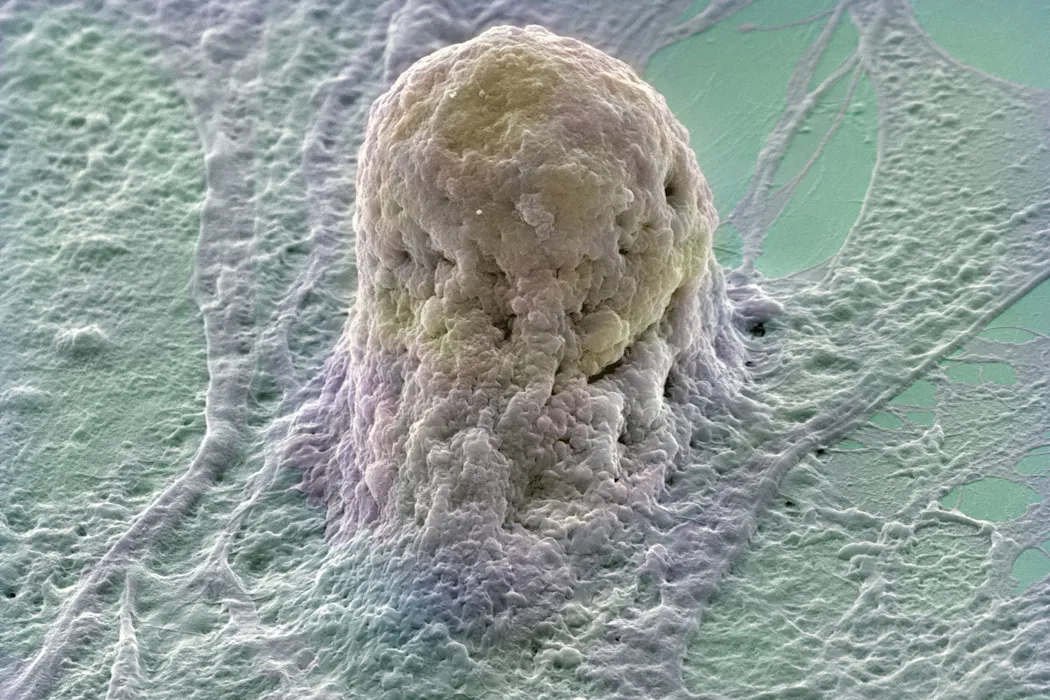
A human embryonic stem cell. Stem cells are derived from very early embryos. (Annie Cavanagh/Wellcome Collection), CC BY-NC

Humans have around 30 trillion cells in our adult bodies. Amazingly, each of these cells came from a handful of about 100 stem cells in the earliest days of development. The ability of these embryonic stem cells to turn into any cell type makes them pluripotent — something that researchers are harnessing in science and medicine today.

The use of human embryonic stem cells in research began in 1998, when several human embryos were donated from couples undergoing in vitro fertilization. From these embryos, scientists generated a virtually unlimited supply of pluripotent cells. Almost 30 years later, these embryonic stem cell lines are still used in many research labs today.

Sign up to read this article
Read news from 100's of titles, curated specifically for you.
Already a member? Sign in here
Related Stories
Top stories on inkl right now
One subscription that gives you access to news from hundreds of sites
Already a member? Sign in here
Our Picks
Fourteen days free
Download the app
One app. One membership.
100+ trusted global sources.