A new Steam leak suggests Valve may be preparing one of the most useful store features PC players have wanted for years: an estimate of how a game will actually run on your hardware before you buy it.
Based on new client string info found by the user Roadrunner on SteamDB, Steam appears to be working on a Framerate Estimator that would let users select a game and a PC configuration, then view estimated framerates built from data collected from other Steam users with similar hardware.
The strings reference a Framerate Estimator, options for CPU, GPU, and system RAM selection, a Search for a Game field, the ability to save hardware profiles, and a possible chart of estimated framerates based on the framerates of other Steam users.
Recently, Valve added the ability to show your PC specs when posting a game review on Steam, which could help extrapolate the information from the reviews themselves. In February, the Steam Client Beta added an option to provide anonymized framerate data.
Valve said that when the setting is enabled, Steam collects gameplay framerate data and stores it without connection to a Steam account, while still associating it with the kind of hardware being used. Valve also said that data is meant to help it learn about game compatibility and improve Steam, and that the feature is currently in beta with a focus on devices running SteamOS.
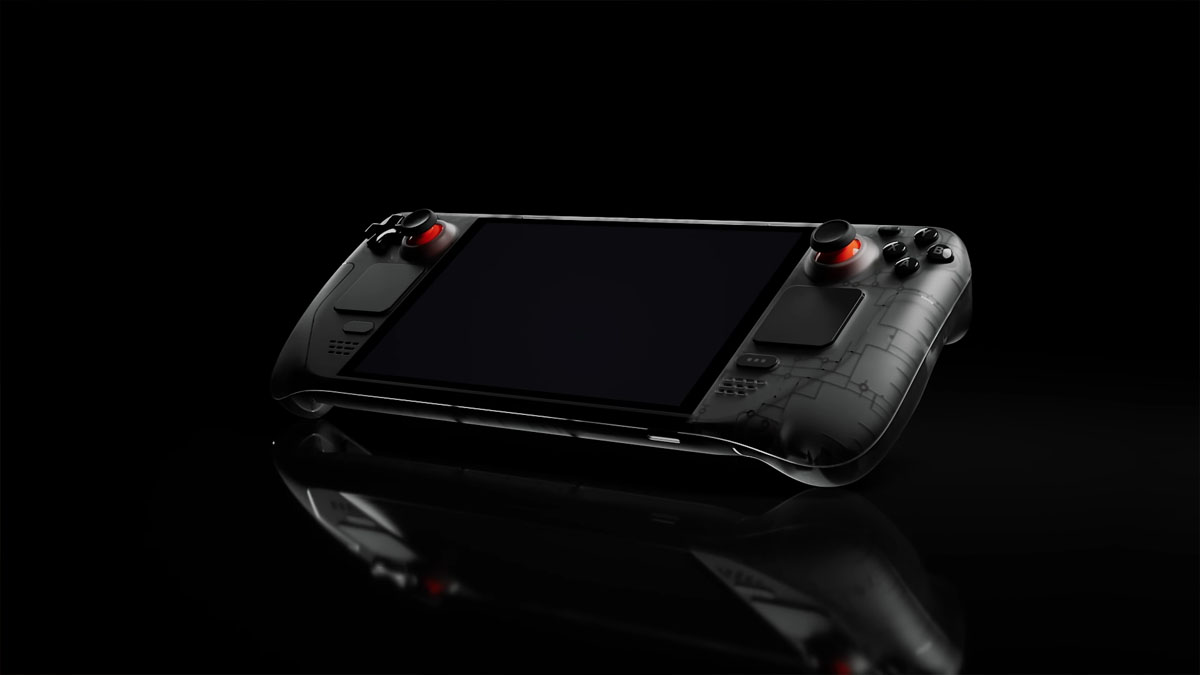
With the Steam Machine supposedly coming this year, and with the Steam Deck being a staple PC gaming handheld, it makes sense for Valve to make a defined chart that would inform the players of the framerate before they purchase the games for these platforms, as they have standardized hardware.
However, even this could not be enough, as seen with the Steam Deck nowadays: people use all kinds of power optimization options unavailable on the vanilla Deck, opt for upscalers and frame generation options like Lossless Scaling, and this will inevitably skew the data unless Valve has developed a way to detect irregularities and not include them in the overall results.
If the feature arrives for general use, it’s even less clear how and what it will prioritize and which hardware components will be weighted more heavily, especially since there are infinite possibilities of configurations.
Still, this is a very welcome addition, as just the regular Minimum and Recommended requirements no longer paint the full picture with the advent of upscalers like DLSS and FidelityFX.