
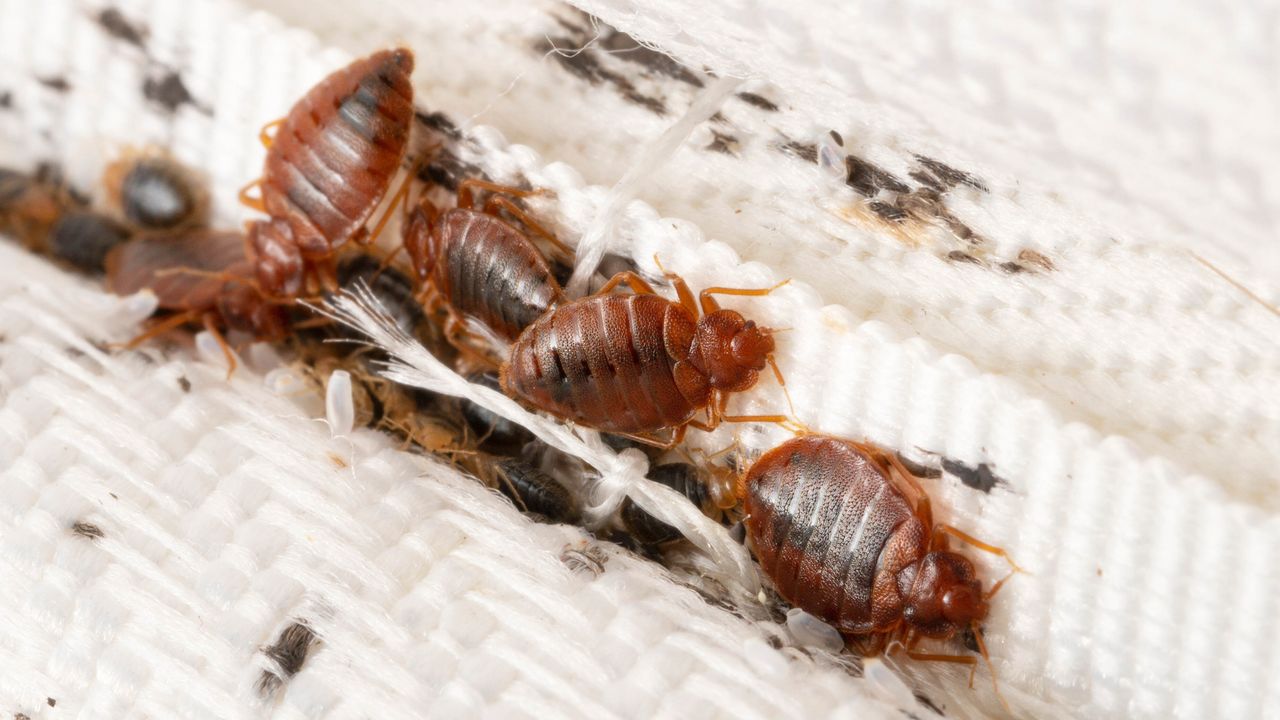
Warm weather is coming and many of us have vacation on the brain. Unfortunately, bed bugs are also making their travel plans and their dream destination? Your mattress.
Bed bugs often hitch a ride to your home from hotels and public transport, and once an infestation is underway, it's tricky to get rid of. Prevention is the best tool in your arsenal and a simple spray could be key to making your bed as unappealing as possible to the critters.
Even better, the key ingredient might already be in your nightstand — lavender oil smells sleep-inducing to us but is a big no for bed bugs. Here's what you need to know...
Key takeaways: At a glance
- Bed bug season is coming as the weather warms up and we travel more.
- Lavender oil acts as a natural bed bug repellent and masks the smell of their food source. Spritz a lavender oil solution on your mattress and pillows.
- However lavender is a natural repellent, not a pesticide, so it won't kill bed bugs. Consider diatomaceous earth for a non-toxic bed bug killer.
- Regular cleaning, including vacuuming and washing your bedding, might also stop an infestation from happening.
- For a full-blow infestation, contact your local pest control expert.
How does lavender oil repel bed bugs?
Lavender oil is toxic to cats and you should exercise caution when using it around other animals too. Pure essential oils can also damage latex and memory foam mattresses.
Lavender is well-known as a pest deterrent, with lavender plants keeping mosquitos and wasps away from your garden.
In the bedroom, we tend to use lavender at night to induce a sense of calm that hlps us fall asleep faster and easier.
But some experts suggest that the strong smell of this summer plant might also act as a bed bug repellent (although you'll need to switch your fresh sprigs for lavender oil.)

Bed bugs, who enjoy the enticing aromas of human blood, might turn their antenna up at pungent, floral lavender.
Lavender oil also potentially masks the scents that make your mattress so tempting to these pests: you.
However, there are limitations to lavender oil. It's a repellent, rather than a pesticide, so it won't kill bed bugs. Consider diatomaceous earth for a non-toxic bed bug killer.
Further research is also needed into the effectiveness of lavender oil (and other essential oils) in the treatment of bed bugs.
But on the flip side, while lavender is gross to bed bugs it's literally dreamy to humans. So even if it doesn't keep the creepy crawlies away, the aromatherapy might usher along a good night's rest.
How to use lavender oil to repel bed bugs
Before you spritz lavender oil on your mattress, it's important to carry out a patch test. Lavender oil, particularly undiluted, can damage mattress foams, causing them to become discolored, dry out, and even crack open.
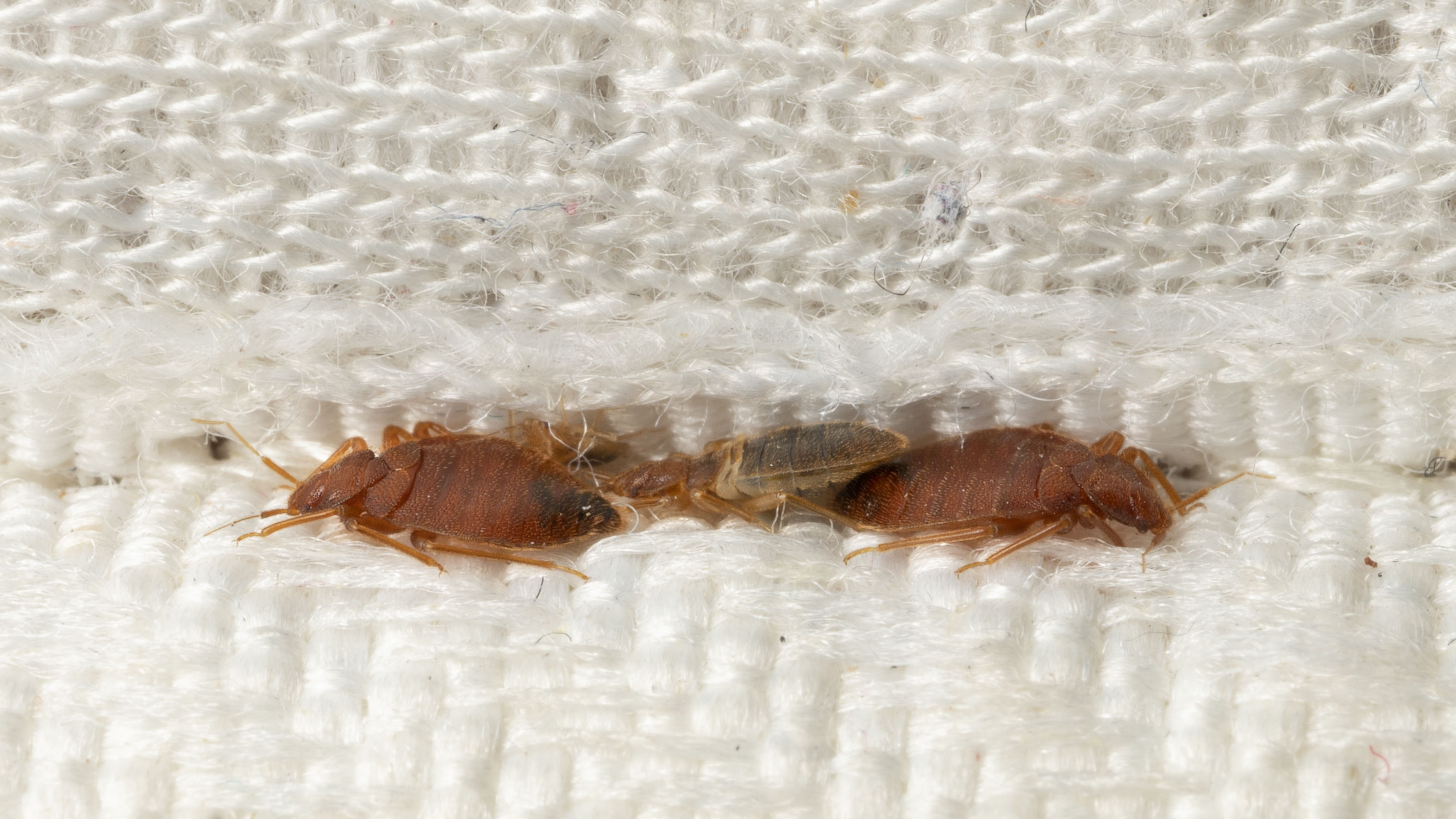
If it passes the patch test, follow these simple steps:
- Add seven drops of lavender essential oil to one cup of water and shake to mix
- Fill a spray bottle with the lavender solution
- Lightly mist the surface of your mattress, sheets and pillows, taking care not to soak the bed
- Mist the areas around the mattress, including the bed frame
- Leave to dry before sleeping
- Repeat whenever you notice the scent fading
Regular reapplication is important if you want bed bugs to keep their distance.
However, spritzing with lavender alone isn't enough to keep bed bugs from making a home in your mattress.
How to prevent bed bugs from infesting your mattress
When it comes to bed bugs, prevention is the best form of treatment. Once these pests have made a home in your mattress, they're incredibly tricky to get out again — something our sleep team is more than familiar with.
So alongside a sprinkle of lavender oil, cleaning is your watchword.
1. Wash your bedding weekly
Bed bugs are terrified of water and hate extreme temperatures, so a spin in the washing machine should finish them off.
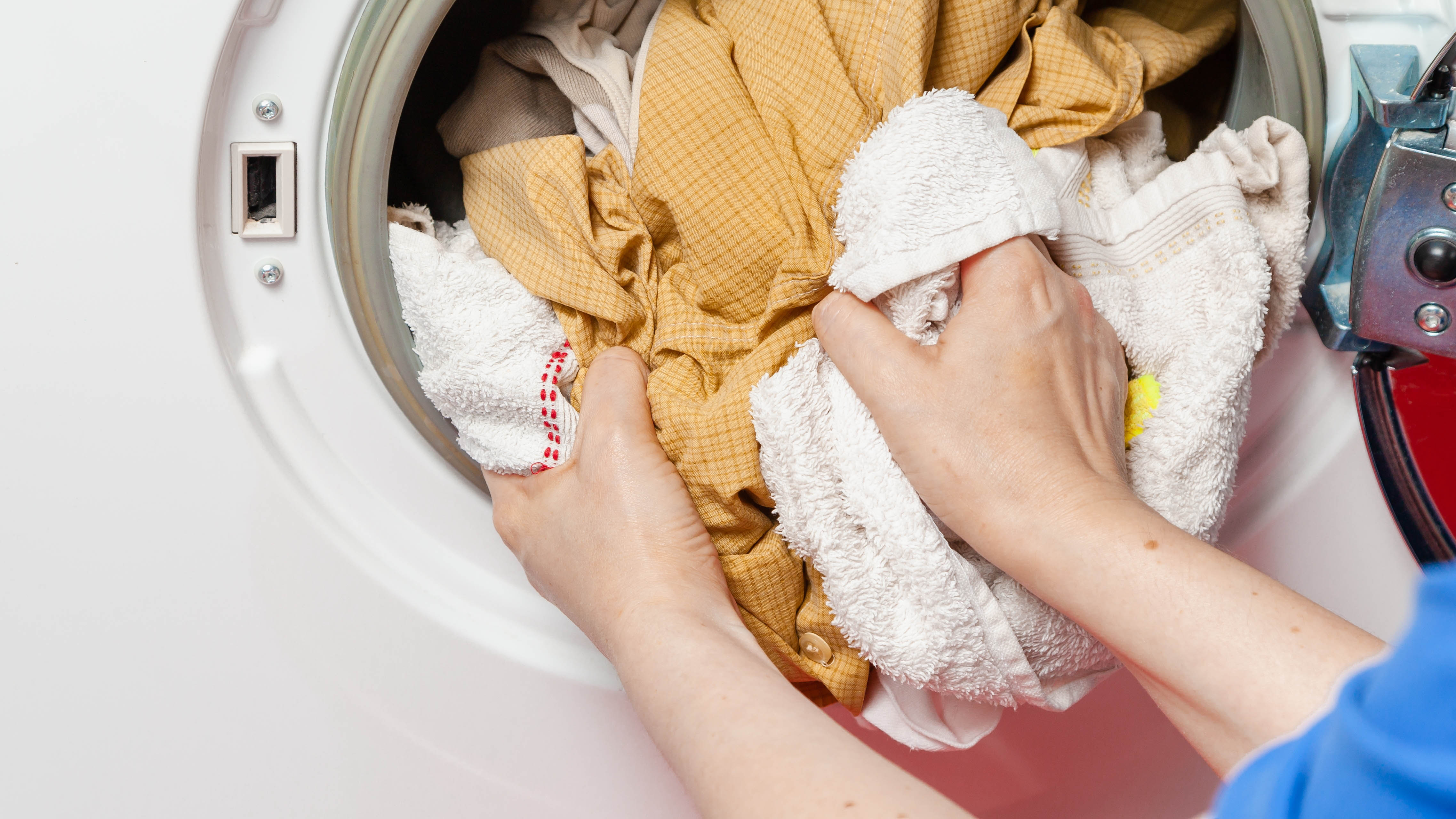
A weekly sheet washing cycle will help nip any infestations in the bud, killing both bed bugs and their eggs. Regular washing also eliminates the 'human' smell that draws bed bugs to your sheets.
Always check the care instructions first, but a wash for 90 minutes at a temperature of 140°F should be enough to smother any burdening breakouts.
2. Vacuum frequently
It's one spot you might miss when cleaning your room but in the fight against bed bugs (and dust mites), it's important to vacuum your mattress.
A dedicated mattress vacuum can help you get into the cracks and crevices bed bugs love, thanks to the held hand design. Other areas of special cleaning consideration include the underside of the mattress, the seams and any tufting.
If you're worried bed bugs are actively in your bedding, be sure to empty the vacuum away from the house.
3. Keep clutter away
Bed bugs absolutely adore the clutter you keep under the bed, as it provides the loveliest hiding space — dark, quiet, and close to food.

So follow a few simple rules: don't drop your clothes on the floor, clear the spaces surrounding the mattress, and if you do store things beneath the bed frame, keep them in sealed plastic boxes.
4. Deep clean your mattress twice a year
Roughly every six months we recommend rolling up your sleeves and deep cleaning your mattress. That encompasses vacuuming, stain removal, deodorizing, and steam cleaning (when possible.)
This is also a good chance for a thorough mattress investigation, so use the bed bug credit card hack to comb the seams for pests.
5. Call the professionals
Even the cleanliest home can be afflicted by bed bugs, particularly as they're often brought into the house from outside sources (in other words, hotels are ground zero for bed bugs.)
DIY solutions can't eliminate a bed bug infestation, so when this happens, contact the professionals.