
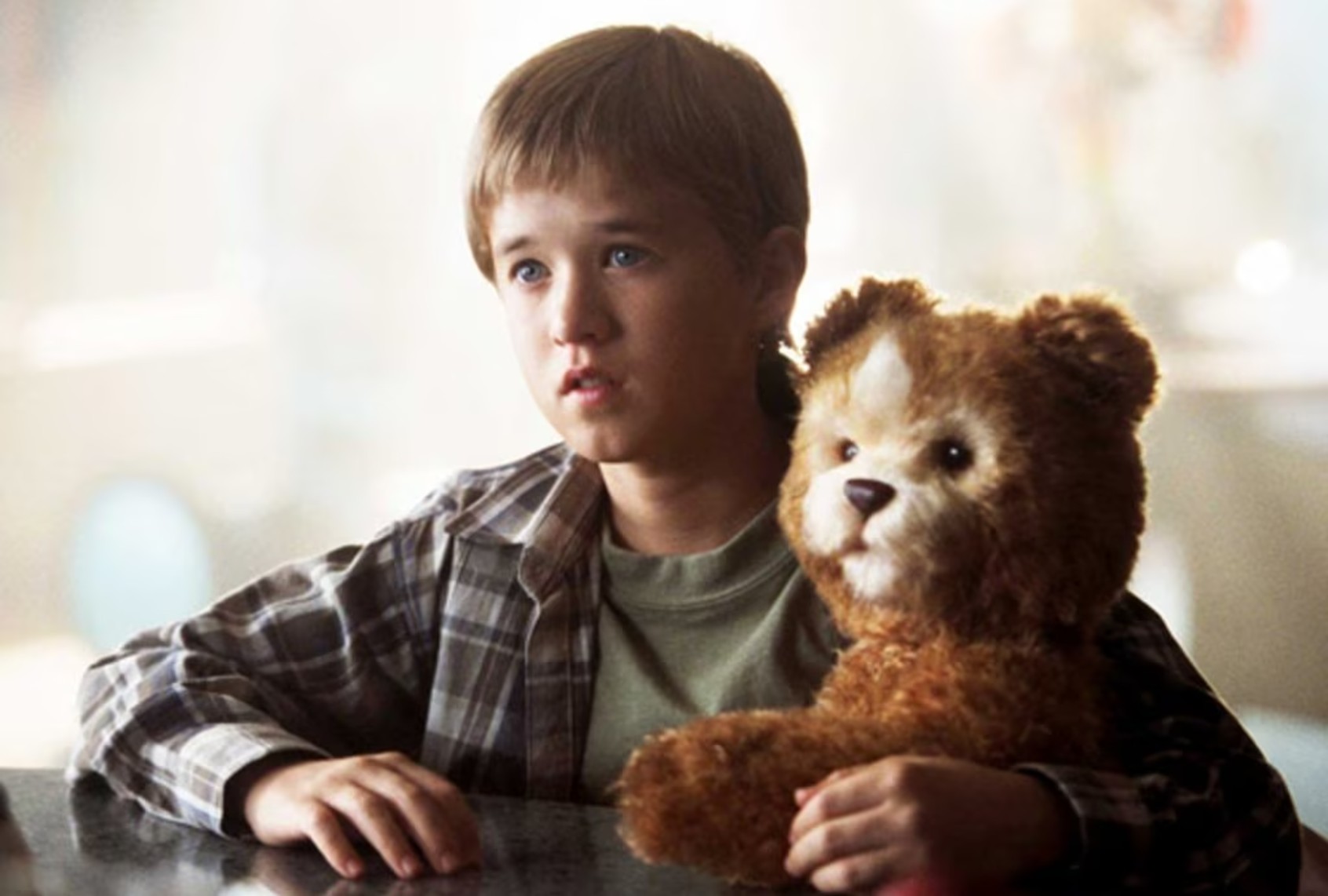
Despite his work existing on a massive blockbuster scale, Steven Spielberg has always had a knack for appealing to the individual. He’s a student of life as much as he is filmmaking, a humanist who forges connections with spectacular sights of the things that frighten and fascinate us the most. It’s part of what makes him such a gifted storyteller: Spielberg is unafraid to reach through the haze that clouds our fears, grab the thing that terrifies us by the neck — be it dinosaurs, aliens, sharks, wars or politicians — and pull it into clear view.
Perhaps that’s why, when Spielberg’s “A.I. Artificial Intelligence” was released 25 years ago this month, it wasn’t exactly the runaway summer hit audiences had come to anticipate from the director. The story appeared bizarre in a way that even Spielberg couldn’t make relatable, which is saying something, considering he was the man who reminded us that rich people would consider a dinosaur theme park a viable enterprise. Set in the 22nd century, when a portion of the human race has been wiped out by climate change, “A.I.” follows a young, humanlike robot boy named David (Haley Joel Osment), the first of his kind programmed to love. David is given to Henry and Monica Swinton (Sam Robards and Frances O’Connor), whose son, Martin, rests in suspended animation after falling ill. He is a test of sorts. Monica may spend time with David and choose whether she’d like to activate his imprinting feature, triggering a familial love that looks and feels as real as her biological son’s — at least to David.












