
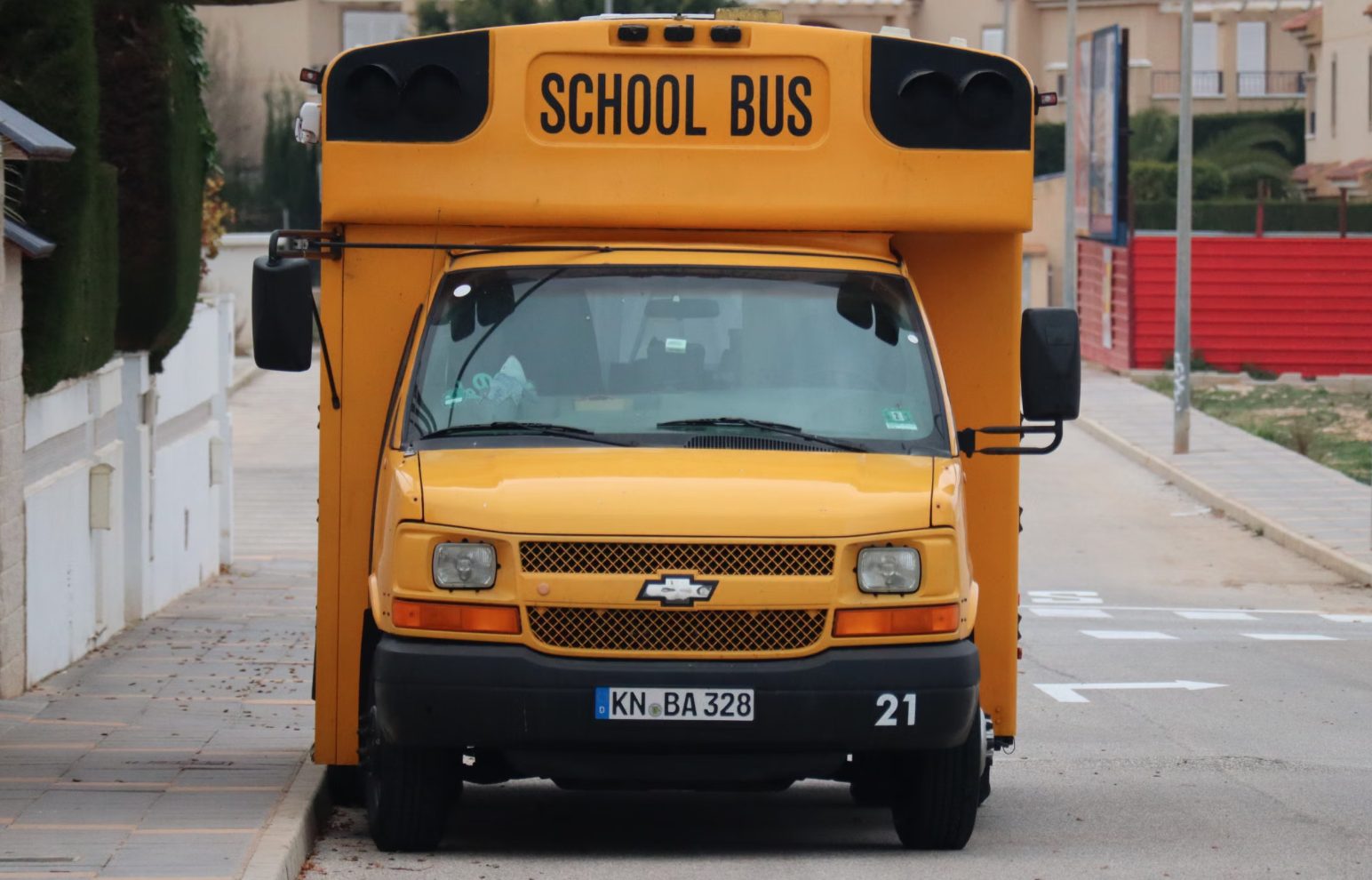
Parents rarely expect to pay out of pocket for transportation that is included in their child’s Individualized Education Program (IEP). The Individuals with Disabilities Education Act (IDEA) considers transportation a “related service” when it’s necessary for a child to receive a free appropriate public education (FAPE), making transportation more than just a convenience in many special education programs.
Yet across the United States, some families find themselves covering fuel costs, mileage, rideshare fees, or even private transportation when school districts cannot provide reliable service. Bus driver shortages, rising transportation costs, and staffing challenges have placed additional pressure on special education transportation systems in many communities. Many districts have reported persistent school bus driver shortages in recent years, forcing route consolidations, delayed pickups, and greater reliance on parents for temporary transportation in some communities.













