Cities spend enormous amounts of money repairing roads, pavements and public spaces, yet the environmental cost of those materials often receives far less attention. Asphalt may look ordinary once it is laid down, but producing and transporting the ingredients that go into road surfaces contributes to a significant volume of emissions. Across Europe, local authorities are increasingly searching for ways to cut that footprint without compromising durability or safety.
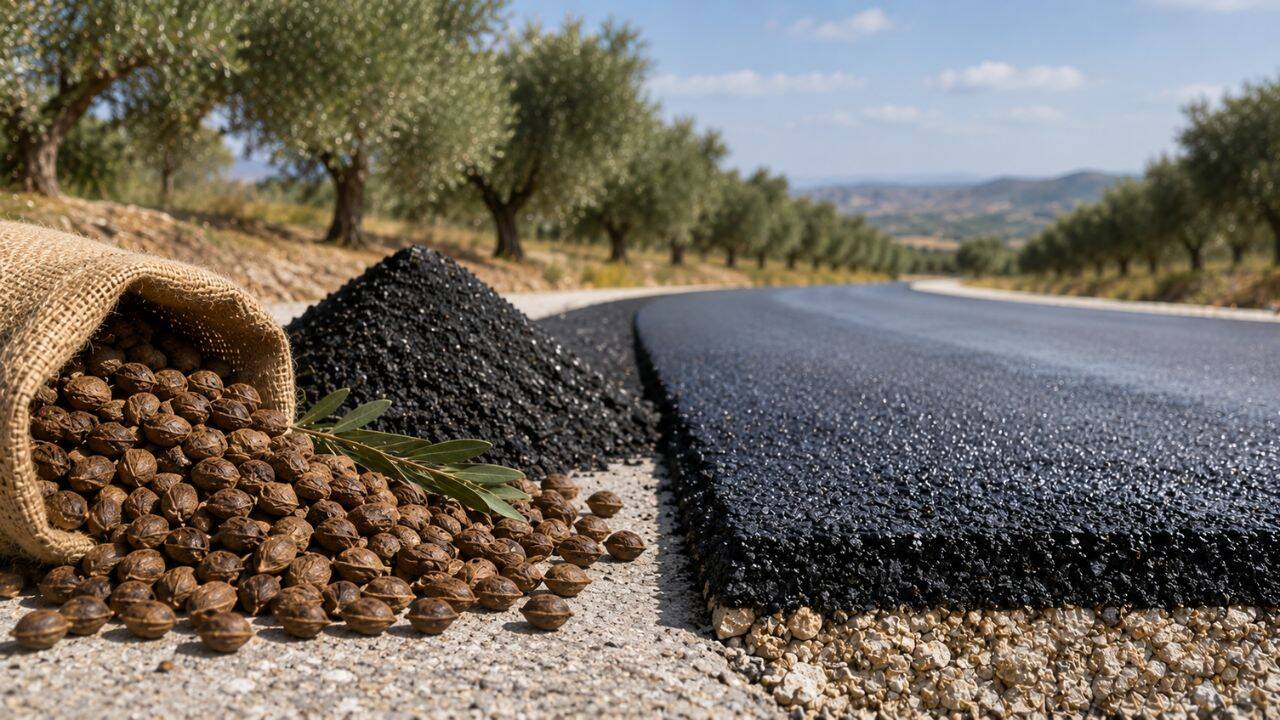
In Barcelona, one experiment is testing whether agricultural waste can become part of the answer. Instead of relying entirely on conventional mineral components, engineers have developed an asphalt mixture that incorporates biochar made from olive pits and other plant residues . According to the Advanced Carbons Council, the material is already being tested on a public street in the city, where its performance is being monitored under real traffic and weather conditions. The project offers a glimpse of how future roads might serve a second purpose beyond transport: storing carbon within the infrastructure itself.