Get all your news in one place.
100's of premium titles.
One app.
Start reading
The Independent UK
The Independent UK
Anthony Cuthbertson

SpaceX agrees to send half a tonne of equipment to the Moon

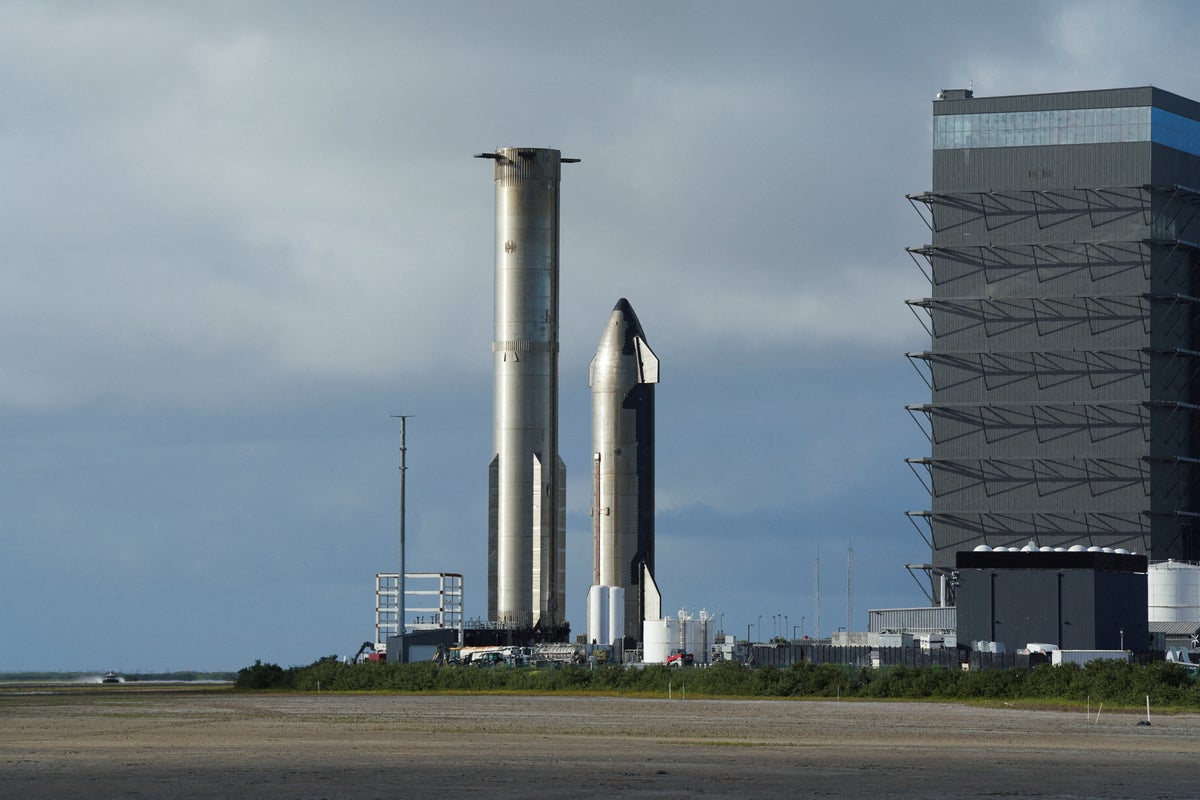
A general view of a SpaceX building and Starship rocket in Starbase, Texas, on 11 June, 2026 - (Reuters)

SpaceX has made a deal with a Japanese startup to send half a tonne of equipment to the Moon in an attempt to supercharge the lunar economy.

The $50 million (£37m) agreement with Tokyo-based ispace relies on SpaceX’s Starship megarocket, which is currently being developed to help return astronauts to the surface of the Moon for the first time in more than 50 years.

The 500 kilograms of cargo will be shared among multiple ispace customers, with the private space firm saying it marks “a new era of lunar exploration” through universal access to the Moon.

“High-capacity, relatively low-cost lunar transport, such as that provided by Starship, is essential to realizing the sustainable lunar economy that ispace aims to create,” said iSpace CEO Takeshi Hakamda.

“As a ‘Lunar Access Integrator,’ ispace aims to combine high-value-added lunar transport using its own landers with high-capacity transport opportunities utilizing Starship, serving as a gateway for customers around the world to access the Moon and carry out their missions.”

A concept of what ispace's Mobile Cargo System will look like (ispace)

The lunar transportation service could launch as early as 2030, though it will be dependent on Starship’s readiness.

The world’s biggest rocket has faced numerous delays but is currently scheduled to be part of Nasa’s Artemis III mission in late 2027.

“Having previously flown multiple ispace missions to the Moon aboard Falcon 9, we’re excited to expand this relationship to Starship,” said Stephanie Bednarek, vice president of commercial sales at SpaceX.

“Their integration services provide a valuable pathway for smaller payloads to secure a ride to the Moon today, and we look forward to supporting ispace and their customers as they help expand access the lunar surface.”

A concept of SpaceX's Starship Human Landing System (HLS) (SpaceX)

The lunar economy is projected to be worth more than $120 billion by 2050, according to a March 2026 assessment from London-based accounting firm PwC.

The primary drivers of growth will come in the form of resource extraction, establishing communication and transportation networks, developing energy systems, and creating long-term living and working environments.

Sign up to read this article
Read news from 100's of titles, curated specifically for you.
Already a member? Sign in here
Related Stories
Top stories on inkl right now
One subscription that gives you access to news from hundreds of sites
Already a member? Sign in here
Our Picks
Fourteen days free
Download the app
One app. One membership.
100+ trusted global sources.