South Korean archaeologists recovered a 600-year-old cargo ship from the seabed off the country’s west coast, offering a rare glimpse into the maritime infrastructure of the Joseon dynasty that ruled for over 500 years.
The fully preserved 15th-century ship called Mado 4 was lifted from the waters near Taean in South Chungcheong province last month after years of effort, the National Research Institute of Maritime Heritage said.
The discovery marks the first time a Joseon-era (1392–1910) vessel has been excavated in its entirety, making it the clearest physical evidence yet of the kingdom’s sophisticated sea-based tax and transport network.
First found in 2015, the ship had remained submerged as researchers carried out years of study and conservation work.
Since the discovery, archaeologists have retrieved more than 120 artefacts from the site. The artefacts included wooden cargo tags inscribed with destinations, porcelain made for state tribute, and containers of government rice.
Archaeologists at that time said these findings confirm that Mado 4 was part of the state-run transport system known as joun, which ferried grain and other official goods from provincial warehouses to the royal capital of Hanyang, modern-day Seoul.
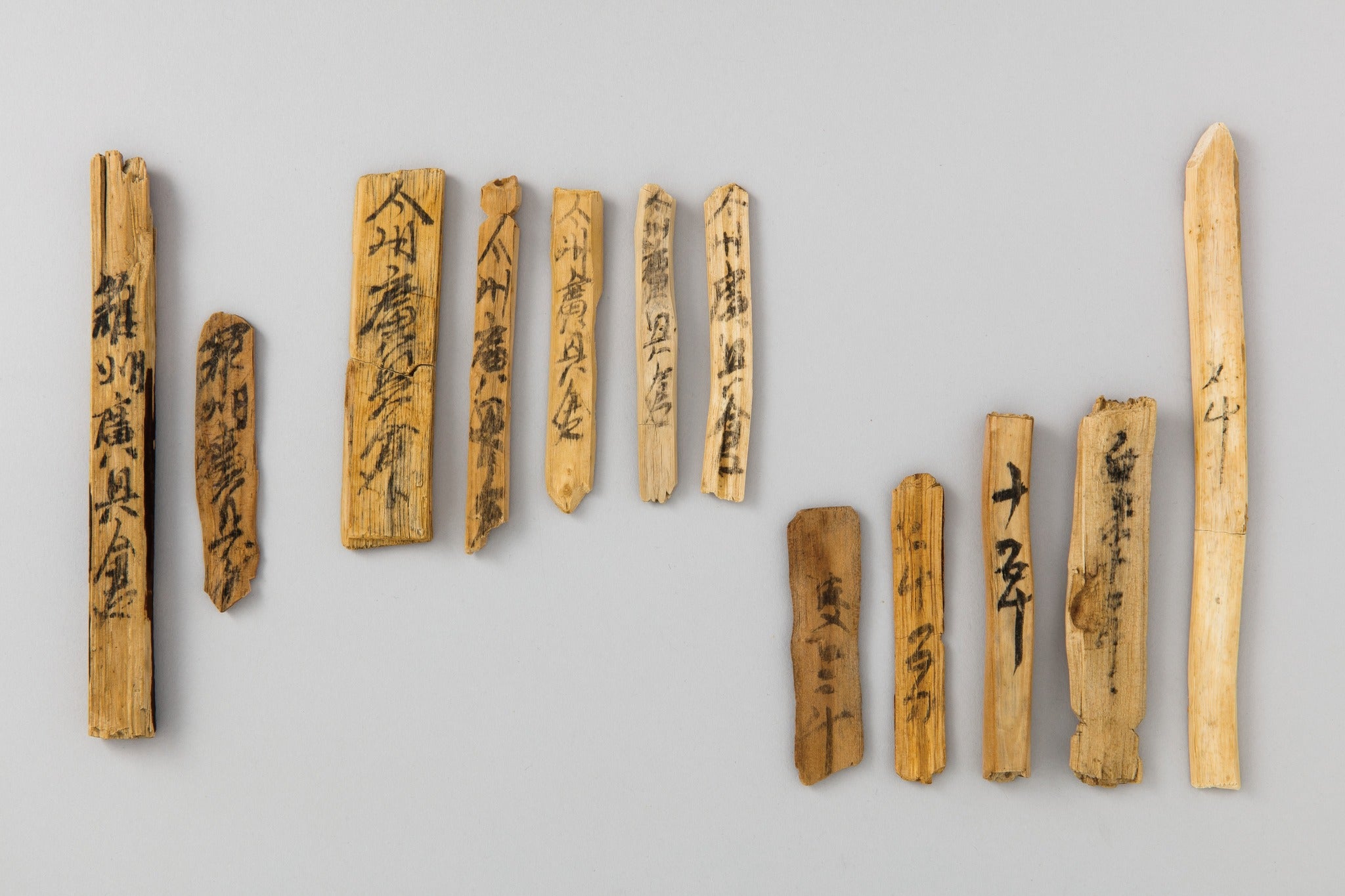
“This is not just a ship. It’s the physical infrastructure of the Joseon state coming back to light,” said an official from the institute, said according to Korea Herald.
“It reveals how an early bureaucracy moved food, goods and information over long distances.”
It was believed to have capsized around 1420 during its voyage from Naju, a region grain collection centre.
The discovery of the vessel has yielded insights into Joseon-era maritime engineering.. Researchers discovered a twin-mast design, deviating from the single-mast configuration common in earlier Korean ships, a modification that suggests a focus on greater speed and manoeuvrability.
It showed the first confirmed use of metal fasteners in any Korean vessel, with parts of the ship found to have been repaired using iron nails. The previous ship designs show interlocking wooden joints.