South East Water is expanding its hosepipe ban to cover all customers, including vulnerable individuals, and has requested that the government impose non-essential water restrictions on local businesses.
The supplier originally introduced a temporary hosepipe ban for the majority of its 2.4 million account holders throughout south-east England earlier in the summer.
However, starting from 9 October, exemptions for remaining customers will be removed, meaning people listed on its vulnerable customer register will also be affected.
The firm stated that this action forms part of broader ongoing efforts "to protect water supplies and the environment in Sussex".
While exemptions will remain in place for health and safety alongside animal welfare, other concessions are ending, such as those for domestic window cleaning businesses.
South East Water also confirmed on Friday that it has applied to the government for a so-called "non-essential use ban", or NEUB.
Moving beyond a standard hosepipe ban, implementing this measure mandates approval from the Environment Secretary, a process that can take a few weeks.
While a standard hosepipe ban targets households, this ban addresses commercial and non-household water use by restricting business activities, such as dust suppression on construction and industrial sites, commercial car washing or window cleaning, as well as businesses watering lawns, sports fields or filling up pools, ponds or fountain.
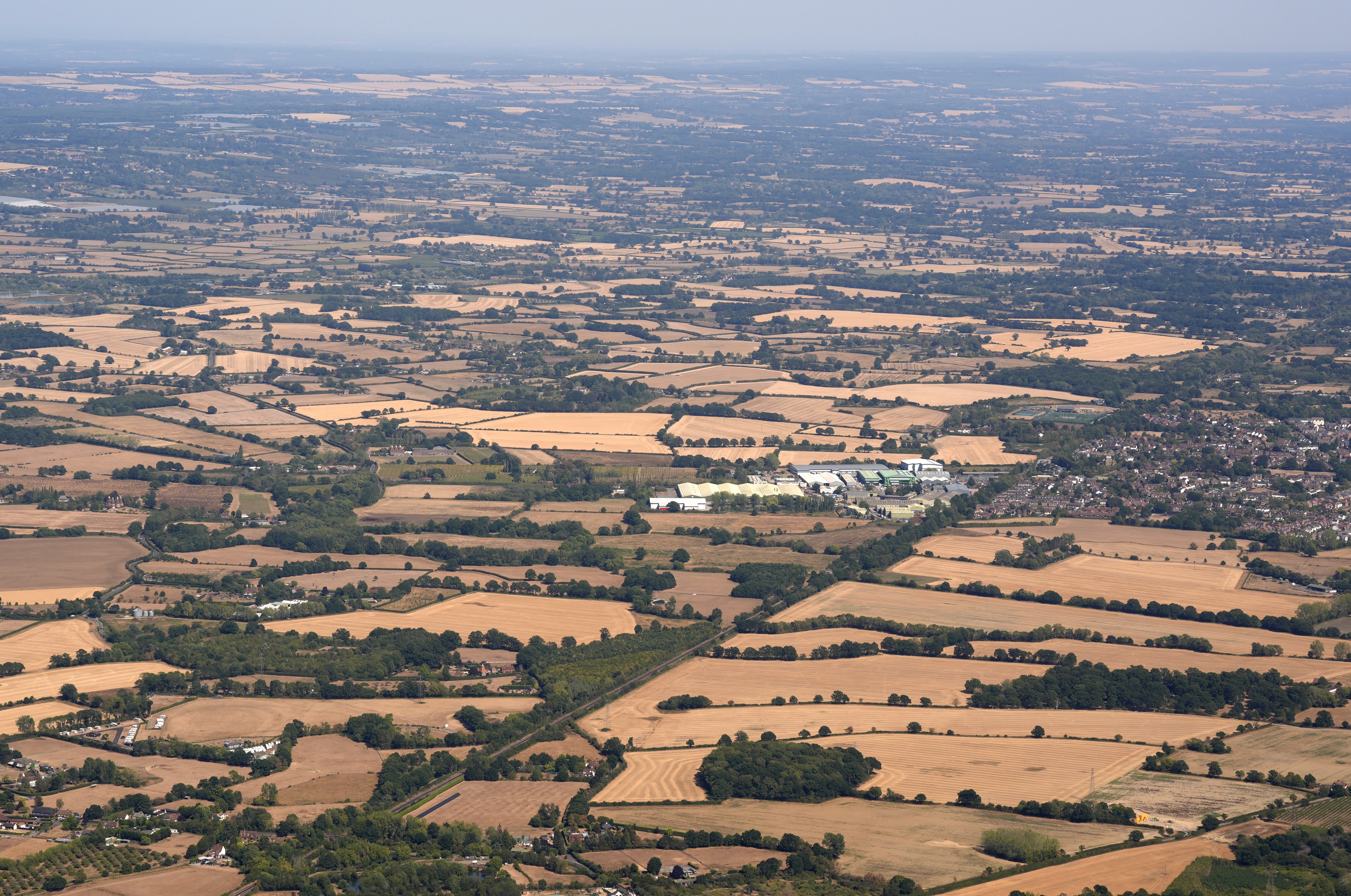
It comes after a dry September has compounded the impacts of the UK’s record hot summer, which saw prolonged dry periods and successive heatwaves plunge large areas of the country into drought.
Last month was the sixth this year to see lower-than average rainfalls, averaging 65 per cent across England, officials said on Friday.
Meanwhile, the South East was among the drought-hit areas of England that again saw the least amount of rain in September, getting 57 per cent of the average rainfall for the month.
South East Water’s Ardingly Reservoir in West Sussex, which serves 228,000 customers in Haywards Heath and the surrounding areas, is currently only 23 per cent full, updated figures on Friday showed.
Regulators said they would expect overall reservoir storage in England to be almost three-quarters (74.3 per cent) full at this time of year.
The shortage at Ardingly has triggered the next level of the company’s statutory drought plan, meaning further steps need to be taken to protect both public water supplies and the environment.
Nick Price, head of water resources at South East Water, said: “The prolonged period of warm and dry weather we have experienced during the spring and summer has made the ground very dry and reduced flows in local streams and rivers.
“We need more rain to moisten the ground, filter deep down into the underground aquifers, and boost the rivers and reservoirs that supply customers’ drinking water.
“These conditions have resulted in the water levels of our Sussex reservoirs becoming extremely low, especially Ardingly, which has moved further into drought.
“This is why we need to take these extra steps now.”
Mr Price acknowledged that restrictions can “cause some concern” for some customers, but added that the firm’s priority is to restore long-term resilience to break this cycle.
He said: “We are focused on delivering our long-term business plan, designed to build a more stable supply for customers and secure water resources for the future.”
He also thanked customers who have already taken steps to try and reduce their overall water use.
South East Water applied for a drought permit in Sussex in August, which was granted by the Environment Agency on Tuesday.
This allows the drinking water company to reduce the amount of additional water that is released from Ardingly Reservoir into the Shell Brook tributary of the River Ouse and reduce the minimum flow of water that must remain in the river at Barcombe Mills after water has been taken from it for customers.