
Get all your news in one place.
100's of premium titles.
One app.
Start reading
The Conversation
The Conversation
Politics
H. Colleen Sinclair, Associate Research Professor of Social Psychology, Louisiana State University

Some online conspiracy-spreaders don’t even believe the lies they’re spewing

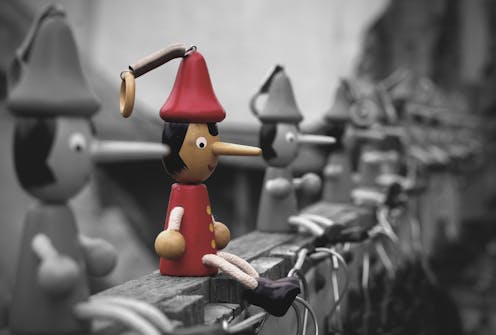
When people spread lies online, they may know they're sharing falsehoods. Timucin Taka/500 px via Getty Images

There has been a lot of research on the types of people who believe conspiracy theories, and their reasons for doing so. But there’s a wrinkle: My colleagues and I have found that there are a number of people sharing conspiracies online who don’t believe their own content.

They are opportunists. These people share conspiracy theories to promote conflict, cause chaos, recruit and radicalize potential followers, make money, harass, or even just to get attention.

Sign up to read this article
Read news from 100's of titles, curated specifically for you.
Already a member? Sign in here
Related Stories
Top stories on inkl right now
One subscription that gives you access to news from hundreds of sites
Already a member? Sign in here
Our Picks
Fourteen days free
Download the app
One app. One membership.
100+ trusted global sources.







