Get all your news in one place.
100’s of premium titles.
One app.
Start reading
The Free Financial Advisor
Brandon Marcus

Social Security 2026 COLA: Why Your 2.8% Raise Disappeared After Medicare Deductions

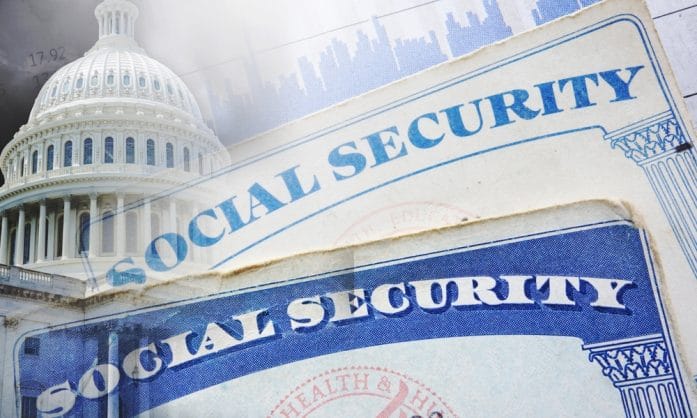
Image source: shutterstock.com

Every fall, millions of retirees wait for the Social Security Administration to announce the next year’s cost‑of‑living adjustment, hoping the increase will help them keep pace with rising prices. For 2026, the COLA came in at 2.8 percent — a modest but meaningful bump meant to reflect cooling inflation and a stabilizing economy.

On paper, it should have offered a little breathing room. But for many retirees, that raise seemed to evaporate before it ever reached their bank account. The reason wasn’t a miscalculation or a glitch. It was Medicare. More specifically, the annual increase in Medicare Part B premiums, which quietly siphons away a portion of every Social Security check.

The Raise That Looked Bigger Than It Felt

A 2.8 percent COLA may not sound dramatic, but it’s still a meaningful adjustment for retirees who rely heavily on Social Security. The COLA is designed to help benefits keep pace with inflation, using the Consumer Price Index for Urban Wage Earners and Clerical Workers as its benchmark.

In 2026, inflation had cooled compared to the spikes earlier in the decade, which is why the COLA landed in the high‑2 percent range. For many retirees, that number initially felt encouraging — a sign that their benefits would stretch a little further. But the reality is that Social Security benefits don’t operate independently. They’re directly tied to Medicare premiums, and when those premiums rise faster than the COLA, retirees feel the impact immediately. That’s exactly what happened this year, turning what looked like a helpful raise into a disappointing surprise.

Medicare Part B: The Quiet Culprit Behind Shrinking Checks

Medicare Part B premiums are automatically deducted from Social Security payments for most beneficiaries, which means any increase in those premiums reduces the net amount retirees receive. In 2026, Part B premiums rose again, continuing a long‑running trend driven by higher healthcare costs, increased utilization, and the expansion of medical services covered by Medicare.

Even a moderate premium increase can offset a significant portion of a COLA, especially for retirees with smaller monthly benefits. For some, the entire 2.8 percent raise was absorbed before it ever reached their pocket. This dynamic often catches people off guard because the COLA announcement tends to dominate headlines, while Medicare premium changes receive far less attention. Yet the two are inseparable, and understanding their relationship is key to understanding why your raise didn’t feel like a raise at all.

Image source: shutterstock.com

The Hold Harmless Rule: Helpful, But Not Always Comforting

One of the most misunderstood aspects of Social Security and Medicare is the “hold harmless” provision. This rule protects most beneficiaries from seeing their net Social Security payment decrease due to rising Medicare Part B premiums. In other words, your check won’t go down — but it also might not go up.

When the COLA is modest and Medicare premiums rise, the hold harmless rule ensures that the premium increase is capped at the amount of the COLA. That sounds reassuring, and in many ways it is, but it also means that your entire COLA can be consumed by Medicare. In years with modest COLAs, like 2026, this rule becomes especially relevant. Many retirees technically received a raise, but because the raise was used to cover higher premiums, their take‑home amount stayed exactly the same.

Why Healthcare Costs Keep Outpacing Social Security Increases

The tension between Social Security increases and Medicare premiums isn’t new, and it isn’t going away. Healthcare costs have been rising faster than general inflation for decades, driven by factors such as medical technology, prescription drug prices, and the growing demand for services as the population ages.

Even when overall inflation cools, healthcare inflation often remains stubbornly high. This creates a mismatch between the COLA and Medicare premiums, which reflect the specific costs of healthcare. Retirees will continue to face the same challenge year after year: COLAs that look helpful on paper but feel underwhelming in practice. The 2026 COLA is simply the latest example of this long‑running trend.

What Retirees Can Do to Protect Their Income

While retirees can’t control the COLA or Medicare premiums, they can take steps to better manage the impact. One option is to review Medicare Advantage and Part D plans annually during open enrollment. Switching plans can sometimes reduce out‑of‑pocket costs.

Another strategy is to explore programs that help lower‑income beneficiaries pay for Medicare premiums. Retirees can also benefit from budgeting with the assumption that COLAs will be modest and that healthcare costs will continue rising.

For those still approaching retirement, delaying Social Security can increase monthly benefits and provide a larger buffer against future premium increases. None of these strategies eliminate the challenge entirely. But they can help retirees maintain more control over their financial picture.

Your Vanishing Raise

The 2026 COLA wasn’t a disappointment because it was too small — it was a disappointment because Medicare premiums rose faster. This pattern has played out many times before. It will likely continue as long as healthcare costs outpace general inflation. Social Security is designed to keep pace with inflation, but Medicare is tied to a different set of economic forces, and the two don’t always move in harmony. When they collide, retirees feel the impact immediately. The key is staying informed, planning ahead, and recognizing that the COLA is only one piece of a much larger financial puzzle.

What impact did the 2026 COLA have on your Social Security check after Medicare deductions? Share your stories, tips, and insights in our comments section.

You May Also Like…

The COLA Theft: Why Half of Your Social Security Raise Just Vanished into Medicare This Morning

Could Your 2025 COLA Push You Into a Higher Tax Bracket—Without a Pay Raise?

The Medicare Part B Increase That’s Reducing Social Security Checks By About $185/Month in 2026

Are You Overpaying Medicare? How One Small Withdrawal Can Trigger a Two-Year Surcharge

The Sunshine State Squeeze: Why Florida Retirees are Seeing Smaller Social Security Checks This Week

The post Social Security 2026 COLA: Why Your 2.8% Raise Disappeared After Medicare Deductions appeared first on The Free Financial Advisor.

Sign up to read this article
Read news from 100’s of titles, curated specifically for you.
Already a member? Sign in here
Related Stories
Top stories on inkl right now
Our Picks
Fourteen days free
Download the app
One app. One membership.
100+ trusted global sources.