As a freelance creator, I’m profoundly opposed to Generative AI. But when I object to people using it, I’ve been accused of being ‘elitist’. “Not everyone is a great photographer, or a great writer”, they argue. “Why shouldn’t people use AI to help them do things they can’t already do?”
While I admit some AI-powered tools can be useful – such as using Lightroom masks to enhance an image, or a grammar app to correct your writing mistakes – I’ve noticed that the power of Generative AI to do everything has led to a curious air of entitlement in some quarters.

I’m not talking about individuals with disabilities, for whom AI tools can help level the playing field. This is about people who want to cheat their way to becoming ‘experts’ overnight, without putting in any of the hard graft.
One online commentator summed it up when they said using Gen-AI is “the best way to sound like a professional writer without being one.” Never mind that to become a professional writer takes skill, dedication, and practice.
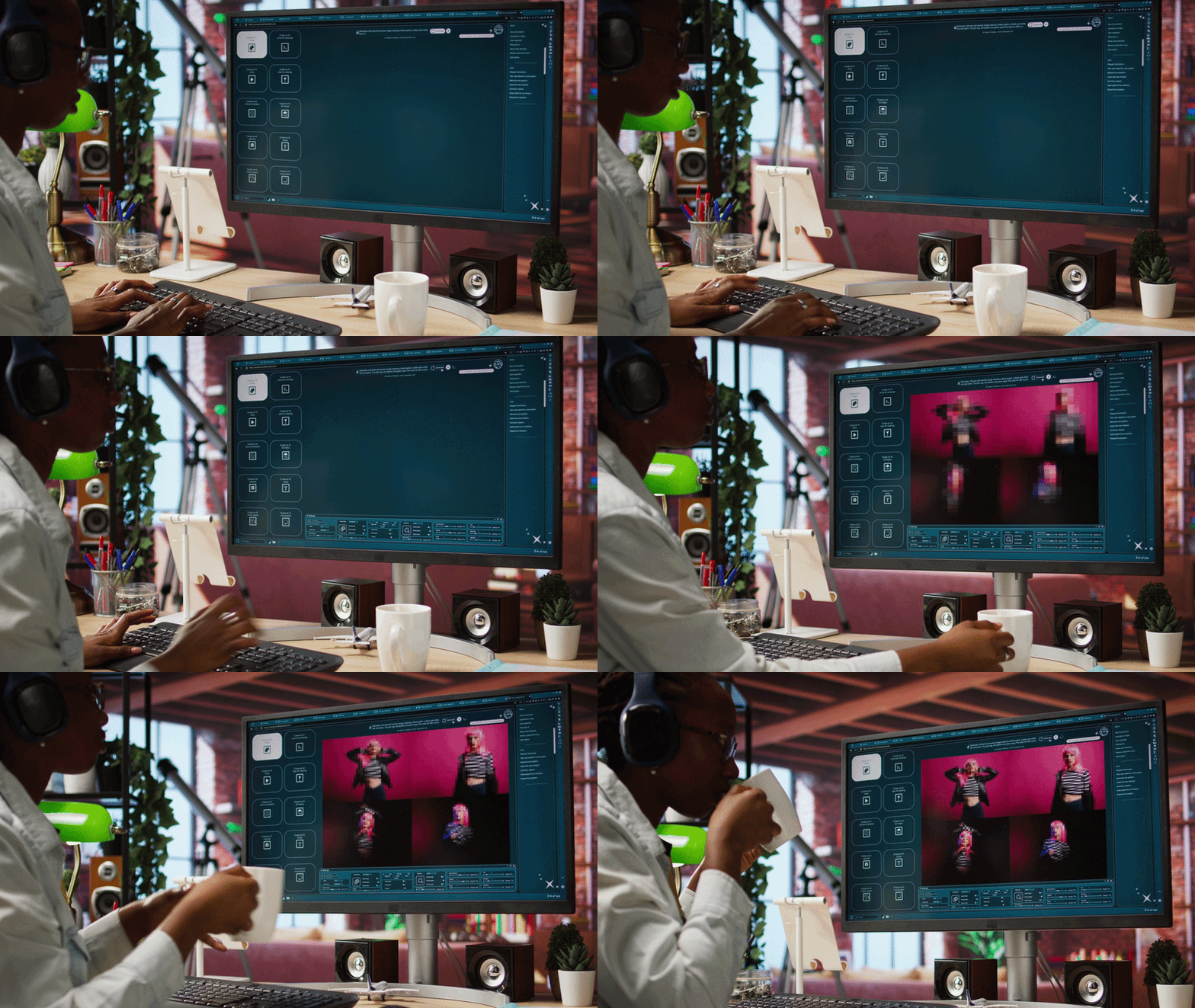
It’s the same with photography. While professional photographers have spent years investing in and honing their craft, so-called ‘AI artists’ now feel entitled to leapfrog their way to the top, using resources trained on images stolen from the very experts they’re now trying to replace.
But if you can’t do something because you don’t have the skills or you never bothered to learn, why should you suddenly get to reap the rewards? I can’t do plumbing, so if I have a leaky tap, I either need to learn how to fix it or hire an experienced plumber. If you need a photo and can’t take one yourself, hire a photographer, or license a stock image (which isn’t even expensive).
Otherwise, it’s just theft and cheating; a way to bypass the experts, and fake skill and experience without actually having any.
It seems the old expression of ‘Those who can, do; those who can’t, teach’ has been updated for the modern era. Those who can still produce quality, authentic work. Those who can’t, use Generative AI.’