It’s no secret that we’re all chasing hair growth—longer, stronger, thicker strands are the name of the game. The hair growth industry is expected to nearly double by 2035, with a projected value of $15.7 billion (!!!), and a new study by the American Academy of Dermatology reports that more than 86 percent of people are reporting hair loss. The demand is there—and so are the solutions. There’s the derm-approved prescription route, with time-tested medications like minoxidil, spironolactone, and PRP treatments (where your own growth factors are injected into your scalp to stimulate growth). If that’s not for you, the over-the-counter options are endless, leveraging powerful ingredients like saw palmetto and rosemary.
But scroll on social media, and you might have stumbled across some more natural recommendations, ranging from frequent scalp massage to stimulate blood flow to fish oil supplements. That’s not all, though: a natural herb called stinging nettle has been gaining traction online, with claims that it's “nature's multivitamin” that promotes “fuller, thicker hair.” It’s commonly served in tea form, but can also be delivered directly onto the scalp via a diluted rinse. As far as TikTok trends go, this one didn’t set off any red flags on my end—if you want to drink a warm beverage or rub an herb on your scalp, well, all power to you.
That said, this trend did leave me wondering: Is there any legitimate evidence that stinging nettle stimulates hair growth or is beneficial for the scalp? Or is it just an old wives' tale? To set the record straight, I spoke with board-certified dermatologists Robert Finney, MD, and Marisa Garshick, MD, as well as Senself founder Gwen Salakaia, who grew up viewing nettle as a superfood in her Georgian culture. Their honest thoughts, ahead.
What Is Nettle?
Nettle, or stinging nettle, is a weed that’s known for its long growth period (it can grow for two years) and its prickly leaves. While it’s very unwelcome by gardeners, the herb actually has a pretty rich history across Asia, Africa, and Europe. “I grew up in Georgia, where nettle was never marketed as a superfood; it was simply part of everyday life,” says Salakaia. She’s used it in everything from food (it tastes like a mix between spinach and a cucumber) and herbal teas to—you guessed it—scalp rinses.
What Are the Benefits of Nettle?
There are two camps when it comes to nettle’s correlation to hair growth: tradition and science. On the one hand, nettle has been around forever, and anecdotally has been shown to help foster stronger, healthier, longer hair. “In Georgian culture, nettle has long been regarded as a natural remedy for hair loss, dandruff, and oily scalp—being valued for strengthening hair follicles, supporting circulation, delivering oxygen and nutrients to the scalp, and supporting scalp balance,” says Salakaia.
But turn to clinical studies and cold, hard science, and you’ll find, frankly, a whole lot of nothing. “If there is any benefit, it has yet to be seen or studied,” says Dr. Finney. With so many proven, well-documented ways to support hair growth, you’ll be hard-pressed to find a dermatologist who tells you to use nettle rinses or teas as a first line of defense. “The science supporting it is limited, but it contains vitamins and micronutrients that may have anti-inflammatory properties as well as antioxidant benefits, which can help overall scalp health,” says Dr. Garshick. That doesn’t mean your hair is going to grow, but very, very, very limited research could indicate a potential to foster a calmer scalp environment, which is needed for hair growth.
Can Nettle Irritate My Scalp?
Just because something is natural doesn’t automatically mean it’s better for you or safe. Case in point: you wouldn’t rub poison ivy all over your body just because you found it in the woods. When it comes to stinging nettle, “it can definitely cause irritation, which in turn can lead to more hair shedding,” says Dr. Finney. Dr. Garshick adds that it can also dry out hair when used in rinse form, or interact with medications when taken as a concentrated supplement. “Pregnant people should also avoid it due to potential effects on the uterus, unless otherwise directed,” she says.
While nothing is without its risks, you’re better off using a prescription or over-the-counter product that has undergone safety testing and comes with specific usage instructions.
How Do I Use Nettle for Hair Growth?
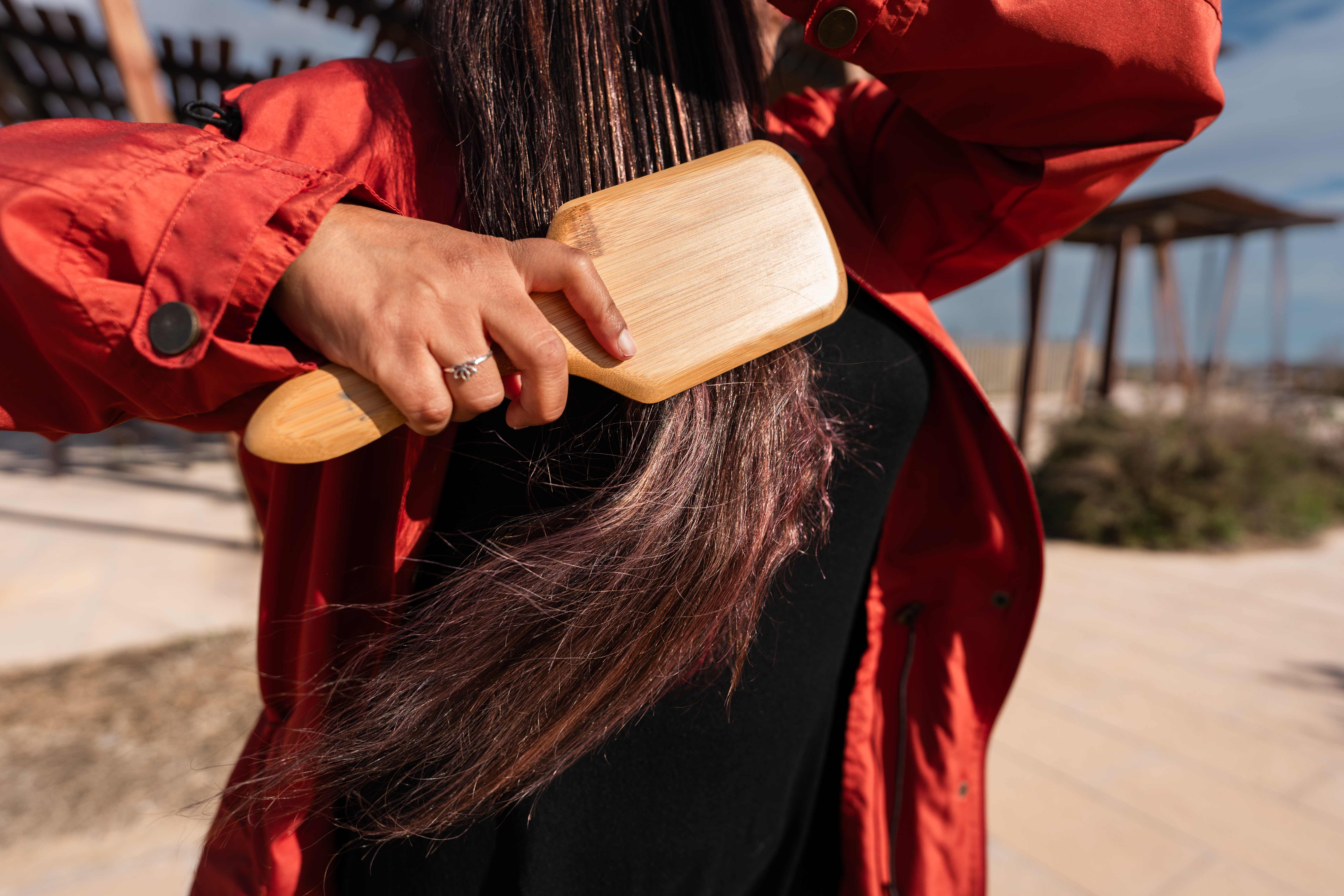
While I (and my go-to derms) would not recommend nettle as your first-line defense for hair shedding or loss, Dr. Garshick doesn’t mind if patients use a gentler rinse to boost overall scalp health—in conjunction with a routine that includes evidence-based ingredients like minoxidil. That being said, if you experience any irritation or dryness, stop.
According to Salakaia, a recipe for a traditional rinse shouldn’t be used for growth per se (despite what TikTok would have you believe). Rather, using one supports “strength and vitality.” Her grandmother’s recipe goes as follows:
- Steep 1–2 tablespoons of dried nettle leaf in 1 cup of hot water for 15 minutes
- Cool and strain
- Use as a final rinse after shampooing
- Optional: add apple cider vinegar for enhanced softness and shine
The Takeaway
As Dr. Finney puts it: “If you are reading this article and concerned about your hair, stop procrastinating and see your board-certified dermatologist for an appropriate diagnosis and treatment.”
Using nettle is not a hair loss treatment. That being said, if you’re interested in giving it a go, try a topical rinse once a week and always follow with a conditioner or serum to restore moisture, says Dr. Garshick. Is nettle the secret to hair growth? No—but with any luck (and a gentle formula) your hair might be shinier after.
Why Trust Marie Claire
For more than 30 years, Marie Claire has been an internationally recognized destination for news, fashion and beauty trends, investigative packages, and more. When it comes to the products Marie Claire recommends, we take your faith in us seriously. Every product that we feature comes personally recommended by a Marie Claire writer or editor, or by an expert we’ve spoken to firsthand.