
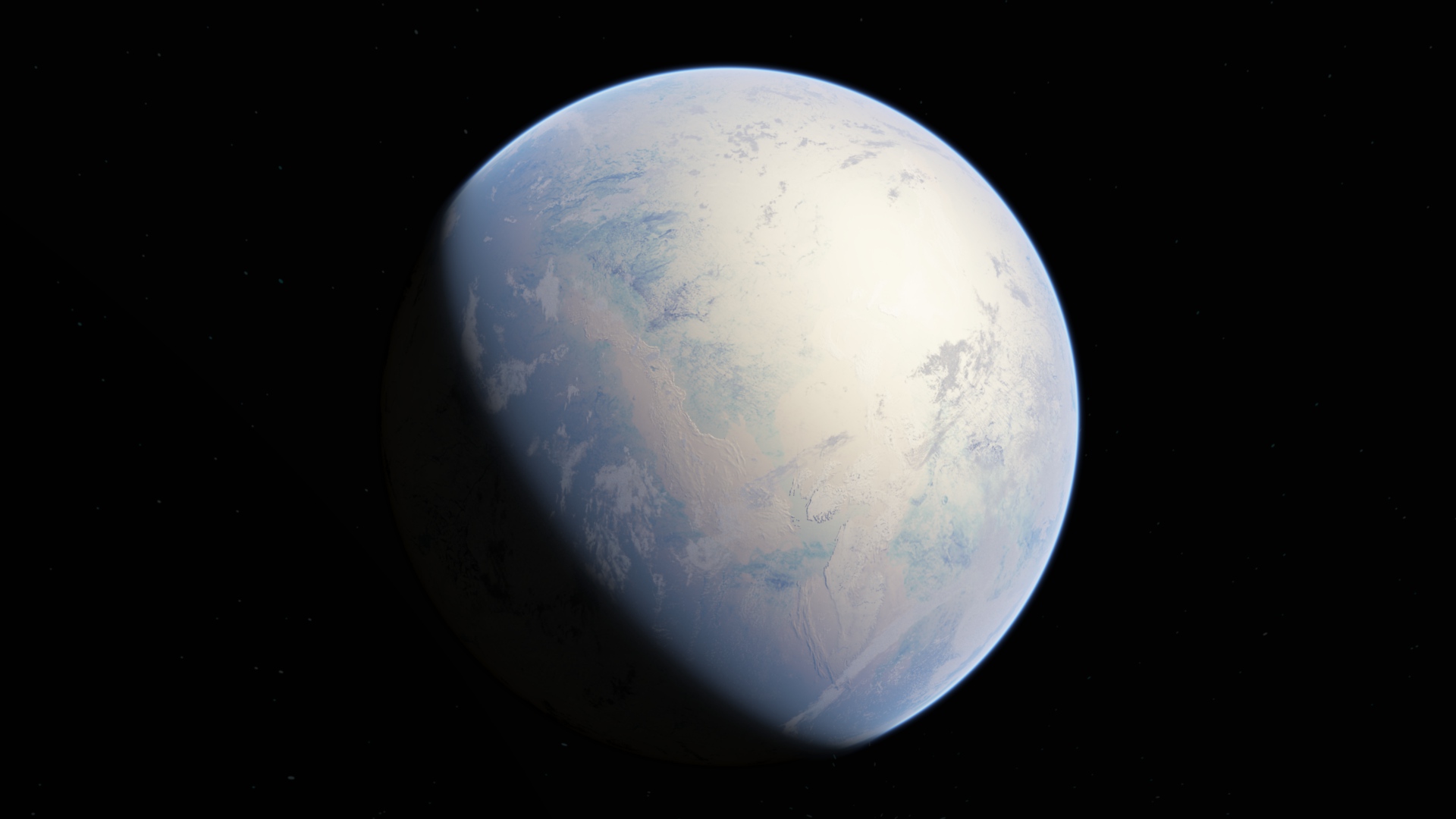
650 million years ago, Earth was covered in ice during an "extreme" 15-million-year-long ice age. New research suggests that towards the end this period, Earth may not have been fully frozen, however. The findings suggest the planet was more "slushball Earth" than "Snowball Earth," with patches of open water existing in shallow mid-latitude seas. This slushball state could have actually helped life survive during this extreme glacial period on our planet.
Researchers made the discovery when studying samples from the eastern Shennongjia Forestry District of China's Hubei Province which dates back to the glacial period called the Marinoan glaciation, theorized to have ended between 628 million and 623 million years ago.