
Get all your news in one place.
100’s of premium titles.
One app.
Start reading
GOBankingRates
GOBankingRates
Caitlyn Moorhead

SNAP Benefits 2026: New Maximums and Monthly Increases

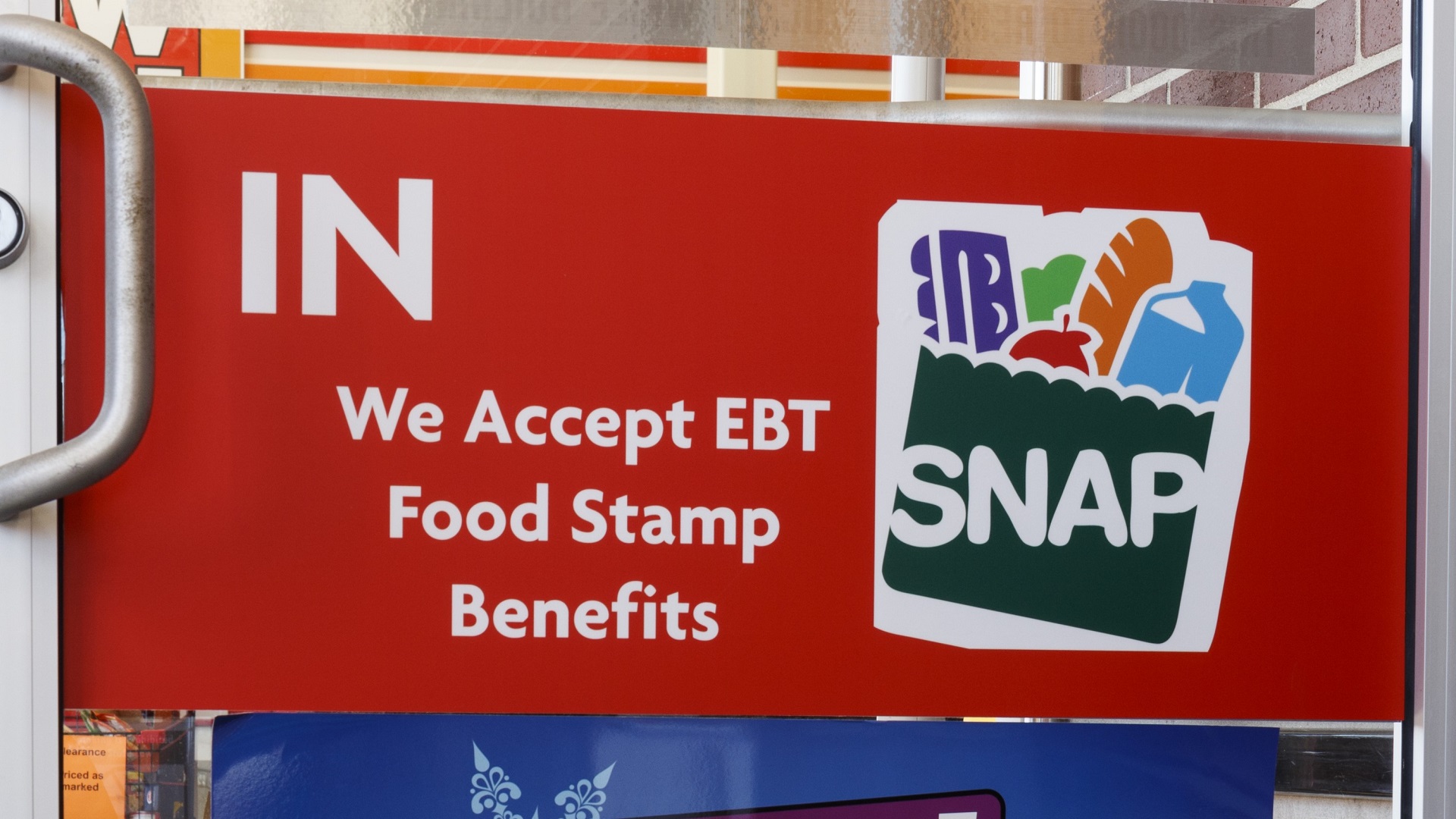
jetcityimage / iStock.com

The new year is always a good time to reset your budget, but how you do so will also depend on any adjustments to your income or your expenses. As of Oct. 1, 2025, the U.S. Department of Agriculture (USDA) implemented new Cost-of-Living Adjustments (COLA) for the Supplemental Nutrition Assistance Program (SNAP) that affect maximum monthly allotments, income eligibility standards and deductions for millions of households to ensure benefits keep pace with rising food costs and inflation.

Read Next: 8 Smart Ways Frugal People Are Living Like There’s Already a Recession

Check Out: 9 Low-Effort Ways To Make Passive Income (You Can Start This Week)

If you are curious where your benefits stand in the coming new year, here is a breakdown of the new eligibility rules and tips to maximize your SNAP benefits in 2026.

Snap Benefit Maximums

Though receiving benefits is often based on your net income, which means gross income minus allowable deductions, the amount of SNAP household benefits can vary by location and family size. 

The good news is that despite all the political upheaval, SNAP maximum benefits increased, with a family of four in the 48 contiguous states and D.C now receiving up to $994 per month. The minimum benefit increased to $24 per month for most states, and the asset limit remains unchanged at $3,000 for most households.

Here is the maximum monthly SNAP benefits for a family of four according to the USDA website:

  • 48 contiguous states and Washington D.C.: $994
  • Alaska: $1,285 to $1,995
  • Hawaii: $1,689
  • Guam: $1,465
  • U.S. Virgin Islands: $1,278 

Benefits are typically higher for households in Hawaii, Alaska, Guam and the U.S. Virgin Islands. For a family of four, the maximum benefits in Alaska could be just under $2,000. Income limits seem to vary as much as bank accounts, so your total non-excluded income and household total non-excluded income will come into play.

Monthly income eligibility standards changed for the 48 states and D.C., Alaska, Hawaii, Guam and the U.S. Virgin Islands. Here is the maximum gross monthly income cap, which is at 130% of the federal poverty level, for the 48 contiguous U.S. states plus D.C.:

  • Household size 1: $1,696
  • Household size 2: $2,292
  • Household size 3: $2,888
  • Household size 4: $3,483

Learn More: 4 Surprising Things That Could Impact Your Wallet If a Recession Hits

How To Calculate Your SNAP Benefits

The benefits amount varies, as your specific monthly benefit is based on a calculation that starts with the maximum allotment for your household size. Your net monthly income is then multiplied by 0.30. After which. That amount is subtracted from the maximum monthly allotment to determine your final benefit amount.

Final Take To GO: SNAP Decisions

Though recipients no longer refer to SNAP benefits as food stamps, the monthly financial assistance this program provides is crucial to many families living paycheck to paycheck. You can purchase certain foods through an electronic benefits transfer or EBT card, which works like a debit card to buy groceries at approved establishments. Knowing exactly how much your monthly allotment will increase is crucial to sticking to your budget. 

More From GOBankingRates

This article originally appeared on GOBankingRates.com: SNAP Benefits 2026: New Maximums and Monthly Increases 

Sign up to read this article
Read news from 100’s of titles, curated specifically for you.
Already a member? Sign in here
Related Stories
Top stories on inkl right now
One subscription that gives you access to news from hundreds of sites
Already a member? Sign in here
Our Picks
Fourteen days free
Download the app
One app. One membership.
100+ trusted global sources.