
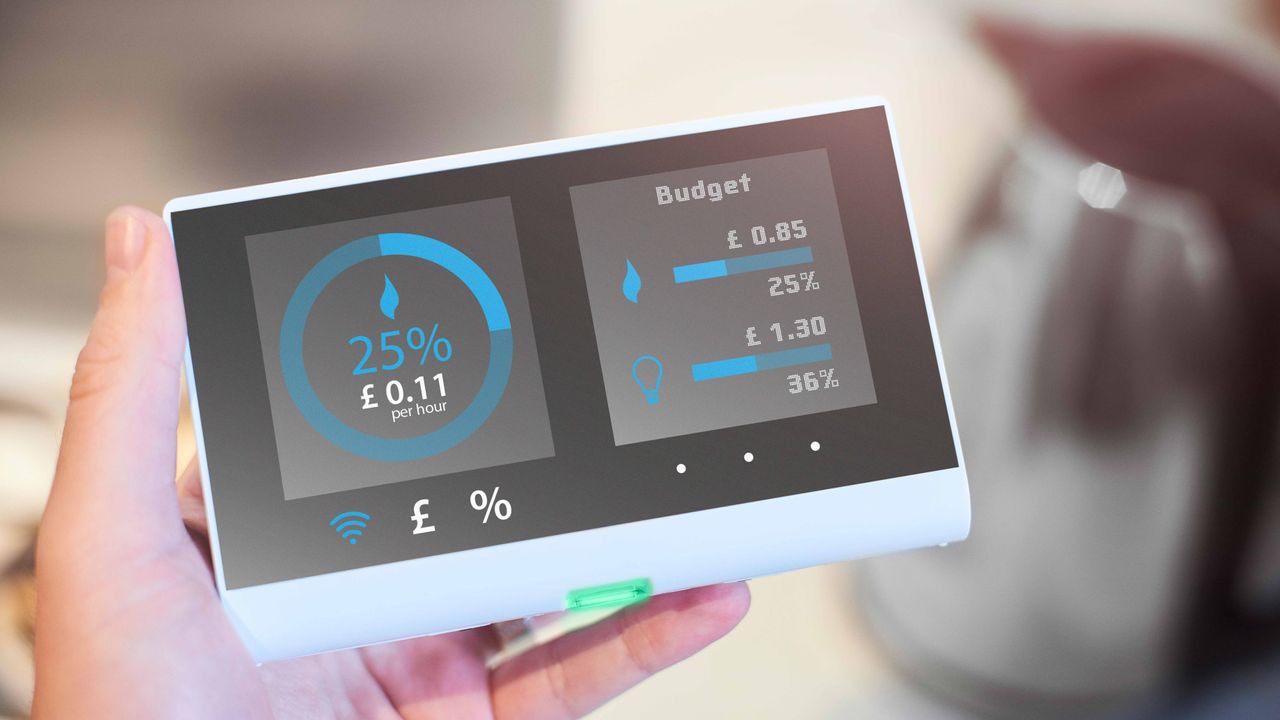
Smart meters have evolved from passive measurement tools to active nodes driving the energy transition. They collect, store, and transmit critical usage data that informs demand management, customer analytics, and predictive maintenance, underpinning modern energy grids.
As these devices become more advanced, cybersecurity discussions often focus on network and communication security. Yet the local data stored within meters, from billing records to firmware logs and user data, often remains overlooked. This embedded data layer can become a critical vulnerability, carrying high risks for utilities, manufacturers, and consumers if it is compromised or corrupted.












