Get all your news in one place.
100's of premium titles.
One app.
Start reading
The Economic Times
The Economic Times

Six months on, Hormuz remains disrupted as ships stay away

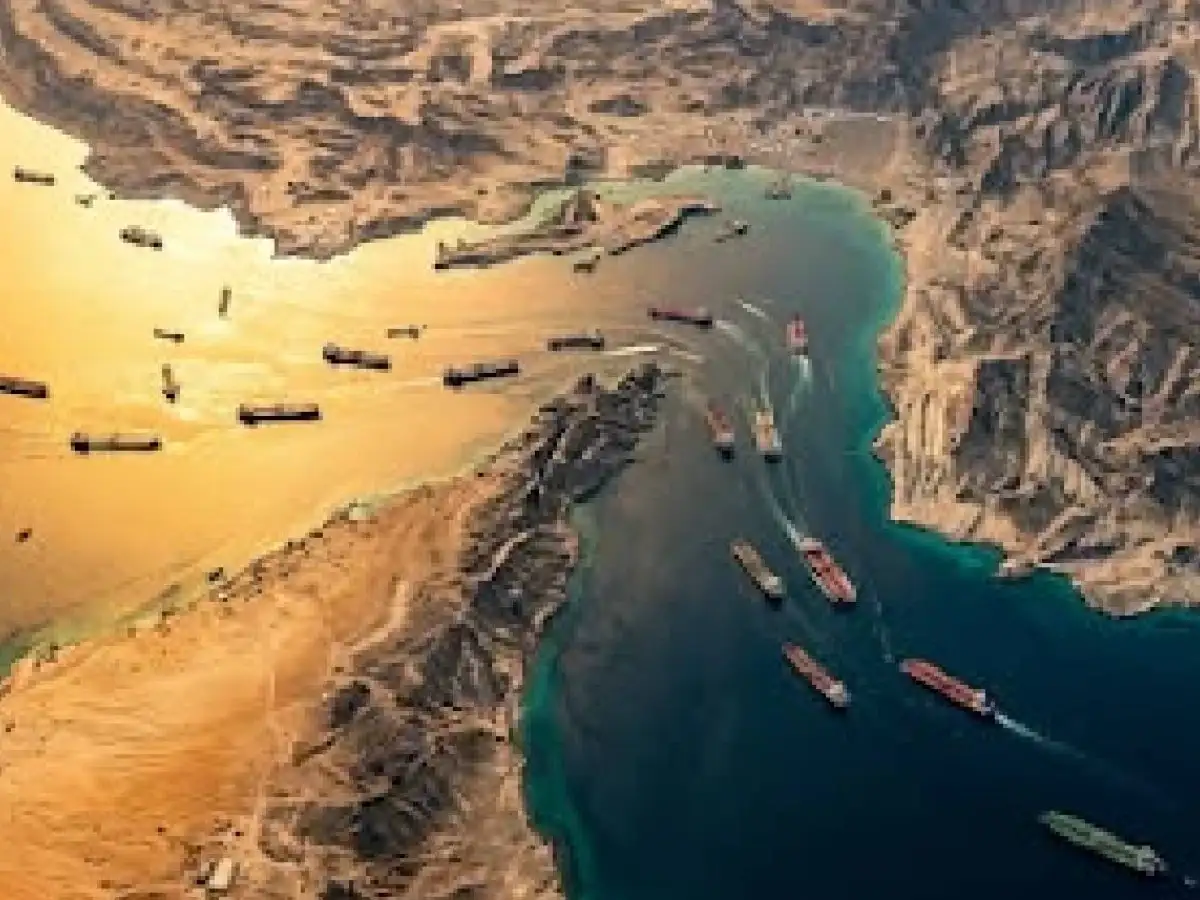
Six months after the Middle East war began, the Strait of Hormuz is still struggling to return to normal, with commercial shipping operating at a fraction of pre-war levels and thousands of seafarers stranded in the Gulf.

The strategic waterway, a critical artery for global energy supplies, handled an average of just 15 commodity carrier transits a day between July 8 and August 22, according to maritime data from Kpler. That compares with 95 a day in February, before Iran blocked the strait following joint US-Israeli strikes.

Also Read: US ‘by no means’ ruling out kinetic strikes on Iran, including Strait of Hormuz, Pete Hegseth says

Traffic had briefly improved after a US-Iran agreement in June, averaging 36 transits a day, but fell again after hostilities resumed on July 8.

The disruption has created uncertainty over which routes ships can safely use. Iran's Revolutionary Guards have warned of a 1,400-square-kilometre danger zone where mines could be present.

Before the conflict, vessels largely followed a central route through the strait recognised by the International Maritime Organization. Ships are now using two alternative corridors — one close to Iran's coast and another along Oman's coast.

During the period of relative calm between June 17 and July 7, about nine ships a day used the Iranian route and eight the Omani route. Since fighting resumed, however, around two-thirds of transits have become "dark", meaning their exact routes cannot be established. Before the war, such unidentified movements accounted for less than 1% of traffic.

Disabled transponders, signal jamming and gaps in satellite imagery can make vessels "dark".

The human cost of the disruption is also mounting. About 500 ships and 6,000 sailors remain stranded in the Gulf, the International Maritime Organization told AFP.

Also Read: India opens ports, airports to foreign-bound cargo impacted by Strait of Hormuz disruptions

The IMO had launched an effort in June to evacuate more than 11,000 seafarers trapped in the region, but suspended it after an attack on a vessel.

At least 20 sailors and dockworkers have been killed in incidents or attacks in the region during the past six months, according to the IMO.

The strait normally carries around one-fifth of global oil and liquefied natural gas exports, making the prolonged disruption a major concern for energy markets and global trade.

(With inputs from AFP)

Sign up to read this article
Read news from 100's of titles, curated specifically for you.
Already a member? Sign in here
Related Stories
Top stories on inkl right now
One subscription that gives you access to news from hundreds of sites
Already a member? Sign in here
Our Picks
Fourteen days free
Download the app
One app. One membership.
100+ trusted global sources.