
Get all your news in one place.
100’s of premium titles.
One app.
Start reading
Woman & Home
Woman & Home
Lifestyle
Tamara Kelly

Simple '30cm rule' is the secret to a warmer home for less this winter

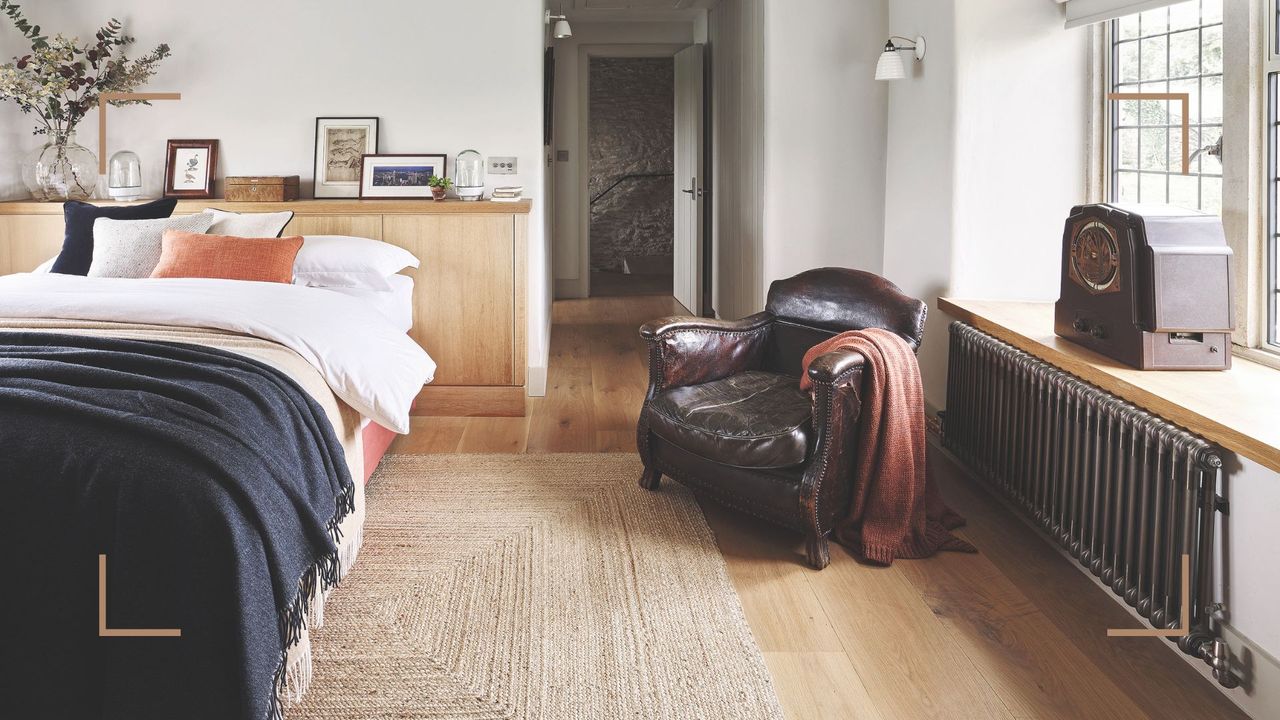
Cosy neutral bedroom with wooden flooring jute rug and a leather armchair in front of a radiator under a large window.

Insulation experts suggest that one reason our living spaces feel colder than they should is due to poor furniture placement. Apparently, all we need to do is follow a simple 30cm rule.

At this point, I feel like I've tried every trick in the book to keep my home warm for less, but I have yet to try rearranging the furniture – could this be why my living room feels chilly despite the heating being on?

Chad Bragg, an insulation expert at SuperFOIL, supports this as a simple yet delightfully effective trick that homeowners can implement in any room, with immediate effect.

Simple 30cm furniture rule to keep your home warm for less

“Many people don’t realise how important proper airflow is to your radiators’ energy efficiency," explains Chad Bragg, SuperFOIL's Head of Technical and Compliance. "Or how much extra energy radiators end up wasting when they’re being blocked by pieces of furniture placed just a little too close."

"It’s reported that poor positioning can lead to a 25% loss in heating efficiency. That’s an enormous amount of wasted heat, and it’s exactly why it’s vital to make sure your radiators have some breathing room before you put the heating on.”

Manoeuvring large items of furniture such as sofas, armchairs, beds, and bookcases away from radiators can help ensure the heat is not being trapped and therefore wasted. Following the simple 30cm furniture rule is an easy way to allow better airflow to circulate the heat more widely into the room beyond.

(Image credit: Future)

From installing affordable floorboard insulation to blasting hot air into a room while testing the Shark Turboblade Heated fan, I'm always keen to up the temperature of my period property. I will certainly be ensuring my furniture is at least 30cm away from radiators to improve heat circulation.

Not only is improving heat distribution more beneficial for making a home cosy, but it also ensures you're not wasting energy around the home, causing your bills to rise unnecessarily.

Chad offers his professional advice on further simple steps to make your heating more energy-efficient....

  • Bleed radiators: “Over time, radiators can trap pockets of air, which stops hot water from flowing properly and forces the heating system to spend more energy for the same results. Releasing the air once a year helps to keep everything running efficiently. It’s a simple task that only needs a radiator key and can easily be done at home. But, simple or not, doing this can help reduce running costs and keep the home’s heating in good condition.”
  • Draught-proof windows and doors: “Draughts are a current of cold air that often slips through the gaps around windows and doors, and they can drastically reduce the temperature in a room. “Look at sealing gaps affordably by adding self-adhesive foam tape to windows, and grabbing a few cheap draught excluders to keep cold air from slipping in through the gaps at the bottom of external doors.”
  • Checking loft insulation: There may be further issues preventing heat from flowing around the home. Chad states: “If you feel like your energy bills just keep climbing, then it’s essential to double-check your insulation to make sure it’s still effective. Insulation is one of the biggest factors that control how efficient your heating will be, and that means that issues with your insulation can be far more costly than many people realise.

“Some easy ways to spot issues with your insulation are to keep an eye out for things like cold spots or unexplained condensation in your home," says Chad.

So while the dream is underfloor heating for now, this simple solution could be a good way to make an indoor environment more comfortable while keeping heating bills low.

While we're on the subject of easy solutions, there are a few dirty household items that could also be secretly driving up your energy bills.

Sign up to read this article
Read news from 100’s of titles, curated specifically for you.
Already a member? Sign in here
Related Stories
Top stories on inkl right now
One subscription that gives you access to news from hundreds of sites
Already a member? Sign in here
Our Picks
Fourteen days free
Download the app
One app. One membership.
100+ trusted global sources.