
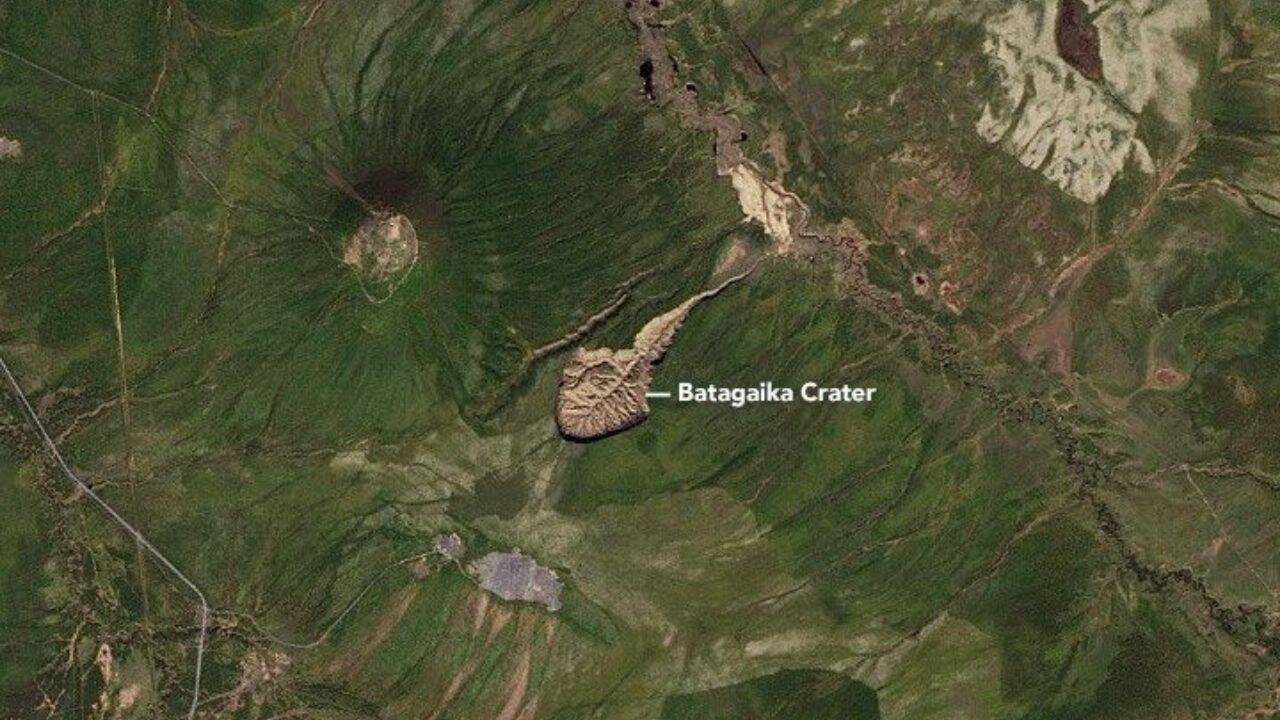
Deep in northeastern Siberia, a vast scar in the landscape continues to grow as warming temperatures melt the ground that has remained frozen for thousands of years. Known as the Batagaika Crater, and also as a massive thaw slump, the formation is the world's largest permafrost crater. Its expanding walls are exposing layers of ice, soil and organic material that offer an extraordinary record of Earth's past. According to the U.S. Geological Survey(USGS), some of the permafrost visible at the bottom may be as much as 650,000 years old. The site has also yielded remarkably preserved remains of extinct animals, while its rapidly changing shape provides a striking example of what can happen when frozen ground becomes unstable. Batagaika is therefore both a window into an ancient Siberian world and a warning about the consequences of continued permafrost thaw.
Get breaking news anytime, anywhere. Download the TOI app now!