The Shri Ram Janmabhoomi Teerth Kshetra (SRJTK) Trust, which manages the Ram temple complex in Ayodhya, is not accountable to either the Centre or the Uttar Pradesh government, giving its members complete authority over its functioning and key appointments, reported TOI.
According to the Ministry of Home Affairs (MHA), all decisions related to the trust are taken internally, with powers resting solely with its permanent trustees.

The trust's autonomous structure has come under renewed focus ahead of its July 6 meeting, where members are expected to decide the future of general secretary Champat Rai and trustee Anil Mishra, who stepped down from their administrative roles on moral grounds amid the donation theft controversy.
CIC ruled trust not covered under RTI
The issue of the trust's legal status reached the Central Information Commission (CIC) after an RTI application filed by Neeraj Sharma in early 2024.
Sharma had sought the names of the public information officers for the Ram temple trust from the central government, but the Ministry of Home Affairs rejected his request.
He subsequently approached the Delhi High Court in February 2024. The court directed the CIC to determine whether the Shri Ram Janmabhoomi Teerth Kshetra Trust was a public authority or an autonomous body after considering the MHA's response, reported TOI.
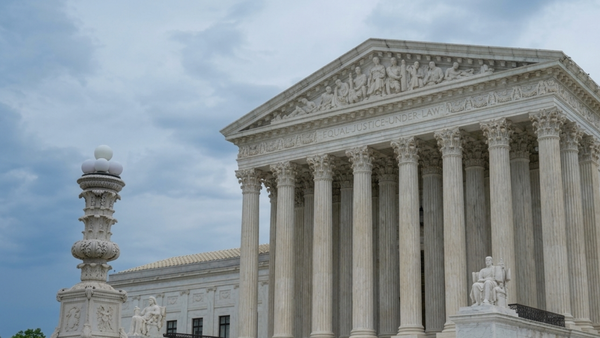
Based on the ministry's submission, the CIC ruled that the trust is an independent organisation established under the Supreme Court's November 2019 Ayodhya verdict. It held that the trust neither receives financial assistance from the Centre or the state government nor functions under their administrative control.
The commission concluded that the trust is not a public authority and, therefore, does not fall under the ambit of the Right to Information (RTI) Act.
July 6 meeting assumes significance
The trust's governance structure has become particularly significant ahead of its scheduled meeting on July 6.
Of the 15 members in the trust, four are ex-officio members without voting rights, while one permanent member has passed away, leaving 10 voting members.
Although Rai and Mishra resigned from their administrative responsibilities, they continue to remain permanent members of the trust and are eligible to attend and vote in the meeting. At least six of the 10 voting members will need to reach a consensus on any major decision.
Since the trust is a self-governing body, no statutory authority has the power to remove Rai or Mishra from membership.
Though four government officials representing the Centre and the Uttar Pradesh government are members of the trust, they do not possess voting or decision-making powers.
“Even if Champat Rai ceases to be the general secretary, he has the right to continue as a member. Similarly, Anil Mishra can be relieved of his responsibilities and still continue to be associated with the trust. So far, we have not heard about a framework through which a member could be expelled, so the only way out is resignation,” said a source associated with the temple’s internal dynamics.
The members may also deliberate on whether changes are needed in the trust's existing governance structure. Those unable to attend in person can participate virtually through a video-conferencing facility provided by the trust's IT cell.
Trust formed after Supreme Court verdict
The Shri Ram Janmabhoomi Teerth Kshetra Trust was established in February 2020 following the Supreme Court's November 2019 verdict allowing the construction of the Ram temple in Ayodhya.
Its first meeting was held in Delhi, where Mahant Nritya Gopal Das was elected president, Vishwa Hindu Parishad (VHP) vice-president Champat Rai became general secretary, and Govind Giri Dev was appointed treasurer.
Retired IAS officer Nripendra Mishra, former principal secretary to Prime Minister Narendra Modi, was appointed chairman of the temple's construction committee.
Senior Supreme Court advocate K Parasaran, who represented the Hindu side in the Ayodhya title dispute, is also among the trust's permanent members. His Delhi residence serves as the trust's registered address.
Other permanent members include Swami Vasudevanand Saraswati Ji Maharaj, Swami Vishwaprasannatheertha Ji Maharaj, Yugpurush Paramanand Giri Ji Maharaj, Mahant Dinendra Das, Dr Anil Mishra, and Kameshwar Chaupal, who represented the Dalit community.
Following Chaupal's death, RSS worker Krishna Mohan was inducted into the trust, while the vacancy created after the death of Vimalendra Mohan Pratap Mishra is yet to be filled.
The trust also has four ex-officio members without voting rights: Nripendra Mishra, Prashant Lokhande (Joint Secretary, Ministry of Home Affairs), Sanjay Prasad (Additional Chief Secretary, Home, Uttar Pradesh), and Ayodhya District Magistrate Shashank Tripathi.
Administrative powers concentrated with three members
Since construction of the Ram temple began in August 2020, Champat Rai has overseen the trust's functioning as general secretary, while Anil Mishra has handled the temple's administration.
Gopal Nagarakatte (Rao), a senior VHP functionary from Karnataka, has been responsible for supervising construction and civil works since January 2021. Although Rai and Mishra have reportedly stayed away from temple activities since the controversy surfaced, Nagarakatte continues to oversee construction work.
Sources said Nagarakatte is the third functionary facing scrutiny following the controversy.
RSS leaders Suresh Bhaiya Joshi and Dinesh Chandra are among the invitee members who regularly attend trust meetings. Although invitee members have no voting rights or decision-making powers, they can express their views and suggestions during meetings.
Sources said only Rai, Mishra and Nagarakatte have administrative powers, including the authority to issue aarti and VIP passes, an arrangement that has reportedly not gone down well with some other office-bearers because of their limited responsibilities.
Any future vacancy among the permanent members can only be filled through a majority resolution passed by the existing permanent trustees.