Get all your news in one place.
100’s of premium titles.
One app.
Start reading
Homes & Gardens
Homes & Gardens
Chiana Dickson

Should You Leave Your Heating On Overnight When It's Very Cold in January? HVAC Pros Reveal What Will Protect Your Home from Costly Damage

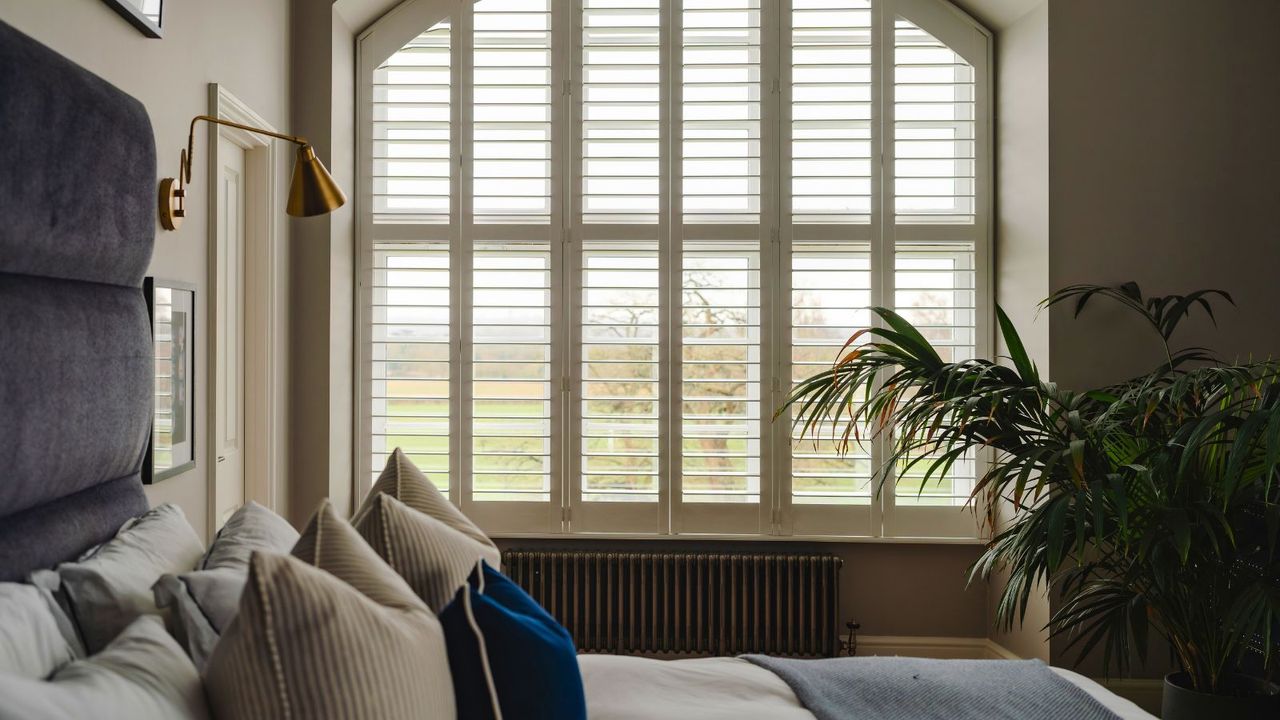
A bedroom with a large arched window and a radiator beneath it. A bed with cream and blue throw pillows on it in the foreground. .

Sleep experts often recommend a cooler bedroom for better sleep, but in the dead of winter, there is such a thing as too cool for comfort.

This begs the question: Should you leave your heating on overnight when it's very cold outside in January?


According to HVAC experts and health professionals, there are some key benefits to keeping a home warm all day and turning up the heat even when you're asleep.

Should You Leave Your Heating On Overnight in January?

The short answer is yes, you should leave your heating on overnight in freezing weather.

Eli Zimmer, CEO, Luxaire HVAC Services, explains, 'A rule you should never follow is turning your heating system off completely at night. The idea behind this is that when you are sleeping, you don’t need temperatures to be as warm, plus you can save money.

'Those things are true, and you can accomplish them – but you shouldn’t turn off your heater completely at night to do so. This was more common back in the early-mid 20th century because central heating wasn’t as efficient as heating systems are today.'

While the perfect thermostat setting for better sleep is usually on the cooler end, Josh Mitchell, HVAC technician and owner of Air Conditioner Lab, explains, 'When it drops below 20° Fahrenheit outside, I tell people to leave the heat on overnight. Not just for comfort, but to avoid damage and stress on the system.'

Even if you are tucked up snug in bed using the hotel method to stay warm, allowing your property to become too cold can result in frozen pipes, dampness, and mold.

'Even if you're used to turning down the heat at night, you still want the indoor temperature to stay above 65°F,' Josh advises. 'For houses with older windows or plumbing along exterior walls, going below that invites frozen pipes. I've repaired frozen copper lines in kitchens where overnight temps inside hit the low 50s. Those repairs cost hundreds.'

Keeping your bedroom warm also prevents you from shivering in the night, or when you get up in the morning. (Image credit: Future / Jon Day Photography)

Although heating just the bed and not the whole house is one way to cut energy bills at a particularly expensive time of the year, Josh explains that the cost of potential repairs is a far scarier prospect than the small increase in running costs.

'Running the heat overnight at 66°F tends to use only about five to seven percent more energy than turning it off completely. But the tradeoff is worth it,' he says. 'The system does not need to work overtime to reheat the entire house in the morning, which can add 30 to 45 minutes of runtime on colder days. That’s when the extra wear and tear builds up.'

To help lower heating costs in winter, Josh suggests setting your nightly thermostat two to four degrees lower than your daily temperature. 'In homes with babies, the elderly, or anyone with breathing issues, I keep it at 68°F at the lowest. At night, your body temperature drops, and colder rooms can disrupt sleep or trigger wheezing for those who are sensitive,' he adds.

The World Health Organization advises the new heating standard of 68-70°F in the winter to reduce the risk of respiratory illnesses. It also helps reduce the winter risks to the elderly, infants, and chronically ill.

When our Head of Solved, Punteha van Terheyden, recently tested the new heating standard in her home for six weeks, she found illness frequency and duration of her household reduced, window condensation disappeared, and energy bills did not rise, despite the heating running overnight. This was because the heating cycles are shorter in a warmer house, and she had to also turn the bedrooms' radiators down, which meant less hot water was used.

If you are concerned about running the heating unnecessarily, you can invest in a smart thermostat, such as the Honeywell Home Smart Thermostat from Best Buy. These devices will turn the heating on only when your home drops below a set temperature, helping you to heat your home only when it needs it, thereby preventing energy wastage.

What to Shop

Meet the Experts

Maintaining your heating is one of the most vital parts of successfully winterizing your home.

To conclude, Josh warns, 'Turning the heat off completely during cold snaps isn't worth the risk. You lose more by reheating cold drywall, floors, and air than you save. It's not just about the air temperature. It's about the whole house structure needing to warm back up again.'

Sign up to read this article
Read news from 100’s of titles, curated specifically for you.
Already a member? Sign in here
Related Stories
Top stories on inkl right now
One subscription that gives you access to news from hundreds of sites
Already a member? Sign in here
Our Picks
Fourteen days free
Download the app
One app. One membership.
100+ trusted global sources.