Get all your news in one place.
100’s of premium titles.
One app.
Start reading
The Times of India
The Times of India
World

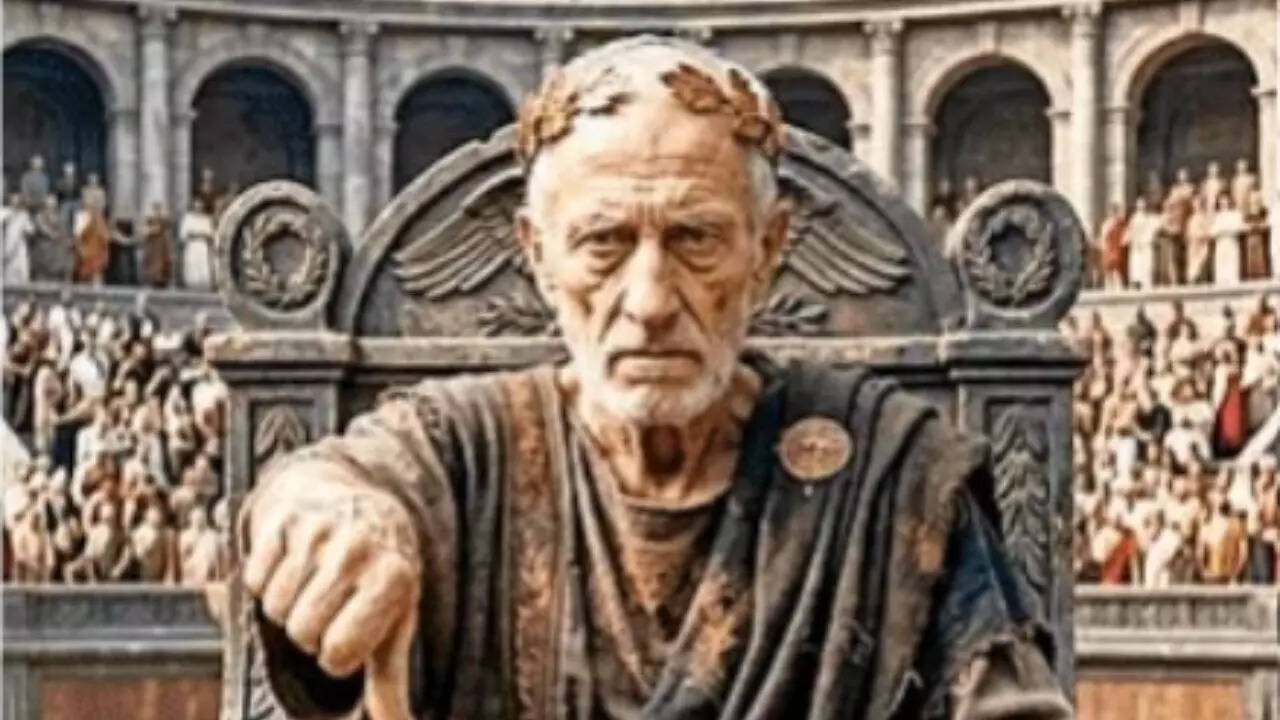
Should older people be 2nd-class voters?

Why do young people everywhere seem disenchanted with govt? A 2021 OECD survey shows only 37% in 18-29 age group trust govt, as against 46% in 50+ cohort. In S Korea, the gap widens to 17 percentage points. In Ireland, it’s 38 points. Zoom out of this rich nations’ club, and a 2020 Cambridge study makes similar findings around the world.

Perhaps, youth is hard to please. But if that’s the case, why were 54% of 30-year-old Britons satisfied with govt in 1973? Why did satisfaction at that age increase to 57% in 1983, and 62% a decade later, before falling to 48% in 2010s?

The problem is not with youth but with the way democracies are functioning, says Harvard professor Samuel Moyn , who diagnoses the problem as “gerontocracy”. His book, Gerontocracy in America: How the Old Are Hoarding Power and Wealth , sums up the problem in its title.

What’s changed between, say, 1973, and now is that whole populations, not just leaders, have aged. In Britain, for example, half the population was younger than 33 then; now it’s older than 40. Moyn mentions three things that make older presidents and PMs likelier now. One, old people generally vote for old people. Two, old people vote more than young people. Three: “The prevalence of aged politicians is almost certainly increasing the abstention of the young from politics and thus intensifying gerontocratic dominance…”

Gerontocracy also reinforces through wealth. Older people earn more, buy or inherit the best real estate, and network at the highest levels. Even if they don’t contest an election, they can pursue their agenda by propping up a young candidate. “If the voters and the wealthy are old, it may not even matter whether the politicians are young.”

But what is old peoples’ agenda, and why is it a problem? Moyn says, “An ageing society is more set on preservation than on renovation.” So, gerontocrats usher in tax cuts for the rich – themselves – rather than raising taxes to spend on schools. They place “high priority on their own needs like medicare and social security”. On the economic front, they worry about inflation, not growth. Since the elderly know they have only a few years left, their worldview tends to be short-sighted. Hence, it isn’t in a society’s best interest, according to Moyn.

So, what can be done to prevent gerontocracy? We can’t snatch wealth and property from the elderly, but Moyn suggests linking the “weight” of a vote to the age of the voter. Why? Because young people have a greater stake in every election, as they have more years to live. Since govt decisions shape the future, a 20-yearold should have a bigger say in them than someone who’s 80: “Seniors are voting for potentially long-lasting outcomes they may never experience fully.” Also, 18-year-old voters are the closest proxy for children who can’t vote, so their votes should have more weightage, he says.

Moyn suggests a couple of ways to go about this: dock 10% of a vote’s weight every two years after the age of 65, or give 80-year-olds one vote, 70-year-olds two, and so on, till 20-year-olds have seven votes each. The aim is not to disenfranchise the elderly, but empower the young in proportion to their remaining lifetime.

Sign up to read this article
Read news from 100’s of titles, curated specifically for you.
Already a member? Sign in here
Related Stories
Top stories on inkl right now
One subscription that gives you access to news from hundreds of sites
Already a member? Sign in here
Our Picks
Fourteen days free
Download the app
One app. One membership.
100+ trusted global sources.