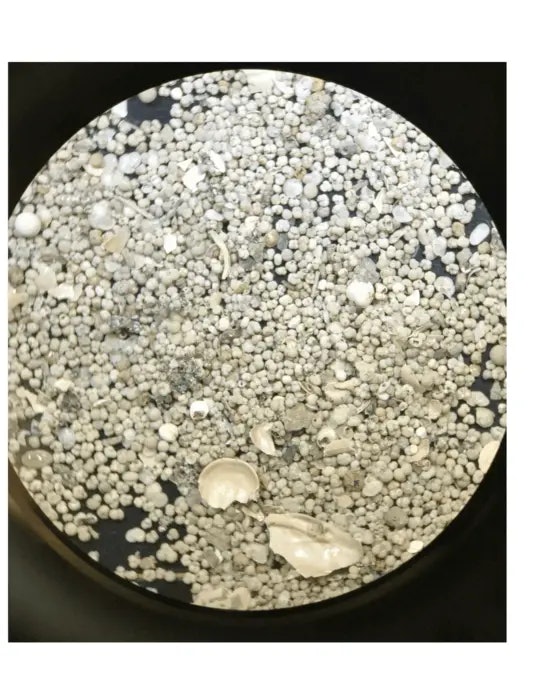
Some 20,000 years ago, when the last ice age was at its peak, a marine animal with an ultrashort lifespan of just one month, really lived in the moment.
In its brief and wondrous life, the single-celled organism, called foraminifera, recorded information about the climate around itself as it lived floating at the top of the ocean. Thousands of years later, scientists have scooped up their tiny shells from the Pacific Ocean seabed to read chemical fingerprints in them for clues about how the climate pattern El Niño once behaved — and what that means for us today.