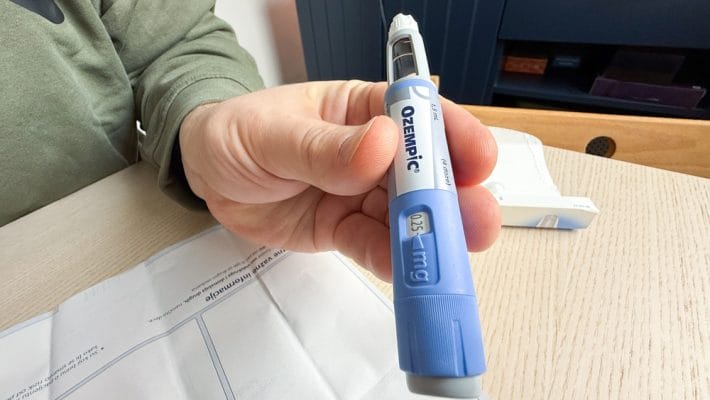
If you’ve seen headlines about dramatic weight loss drugs like Ozempic, you’re not alone—and neither is the sticker shock. Many seniors walk into the pharmacy expecting coverage, only to be told the price could run hundreds—or even over $1,000 per month out of pocket. That moment of confusion is becoming increasingly common as demand for GLP-1 medications explodes. The truth is, Medicare coverage rules are far more complicated than most people expect, and they hinge on one critical detail: why the drug is prescribed.
The Short Answer: When Medicare Covers Ozempic—and When It Doesn’t
The biggest misunderstanding surrounding GLP-1 drugs comes down to a simple question: what is the medication being used for?
Medicare Part D may cover Ozempic when it’s prescribed for type 2 diabetes, depending on your specific plan. However, if it’s prescribed strictly for weight loss, Medicare generally will not cover it due to federal law restrictions. This distinction catches many seniors off guard because the same drug is widely promoted for weight loss in the media and advertising. So, before filling a prescription, always confirm the diagnosis code your doctor is using—it determines whether your claim is approved or denied.
Why GLP-1 Prices Are So High Right Now
GLP-1 drugs like Ozempic, Wegovy, and Zepbound are among the most expensive medications on the market today. Without insurance, monthly costs often exceed $900 to $1,200, depending on dosage and pharmacy pricing. The high price is driven by demand, limited competition, and the drugs’ effectiveness in both diabetes and weight management.
Even insurers and government programs are struggling to keep up with the cost surge. In fact, public spending on GLP-1 drugs has skyrocketed in recent years, forcing tough decisions about coverage.
The Key Rule: Medicare Doesn’t Cover Weight Loss Drugs (Yet)
Here’s the rule that surprises most people: Medicare is legally prohibited from covering medications used solely for weight loss. That means even if your doctor recommends Ozempic for obesity, your claim will likely be denied. This policy has been in place for years, despite growing evidence that these drugs can improve overall health outcomes.
Medicare does cover GLP-1 drugs for certain conditions like diabetes, cardiovascular disease, or sleep apnea. So, the same medication can be covered—or not covered—based entirely on how it’s prescribed.
Real-Life Scenario: Why One Senior Pays $50 and Another Pays $1,000
Consider two retirees prescribed GLP-1 medications by their doctors. One has type 2 diabetes, so their Medicare Part D plan covers Ozempic with coinsurance and an annual out-of-pocket cap. The other is prescribed the same drug for weight loss and is told it’s not covered at all. That second patient may end up paying full price—sometimes over $12,000 per year.
New 2026 Changes: The Medicare “GLP-1 Bridge” Program
A temporary program called the Medicare GLP-1 Bridge will offer limited access to certain weight-loss GLP-1 drugs. Eligible beneficiaries may be able to get medications like Wegovy or Zepbound for about $50 per month. However, this program runs only from July through December 2026 and requires strict eligibility criteria and prior authorization.
It’s also important to note that Ozempic itself is not included in this program for weight loss coverage.
What’s Coming Next: Possible Coverage Expansion in 2027
Medicare is actively exploring long-term changes to GLP-1 coverage through a program called the BALANCE model. This initiative could allow Medicare Part D plans to begin covering weight-loss medications more broadly starting in 2027. However, participation will be voluntary for insurance plans, meaning coverage may vary widely. Even if coverage expands, prior authorization and medical criteria will likely remain strict.
Have you or someone you know tried to get Ozempic through Medicare—and were you surprised by the cost?
What to Read Next
Why Doctors Are Watching Ozempic’s Emerging Role in Post–Heart Attack Recovery
The $1,000-a-Month Shortcut: The High Price of Using Ozempic for Vanity Pounds
What Really Happens to Your Body on Ozempic and Wegovy: 10 Scary Realities of Using These Drugs
Doctors Warn: 2 Common Dental Problems Linked to an 86% Higher Stroke Risk
New Heart‑Disease Drug Cuts Risk of Stroke and Heart Attack in Older Adults by Nearly 20%