
Get all your news in one place.
100's of premium titles.
One app.
Start reading
The Conversation
The Conversation
Pablo Hernández Cámara, Profesor e investigador. Departamento de Ingeniería Electrónica & Laboratorio de Procesado de Imágenes, Universitat de València, Universitat de València

Self-driving cars struggle to see at night or in fog – but imitating the human brain can make them safe

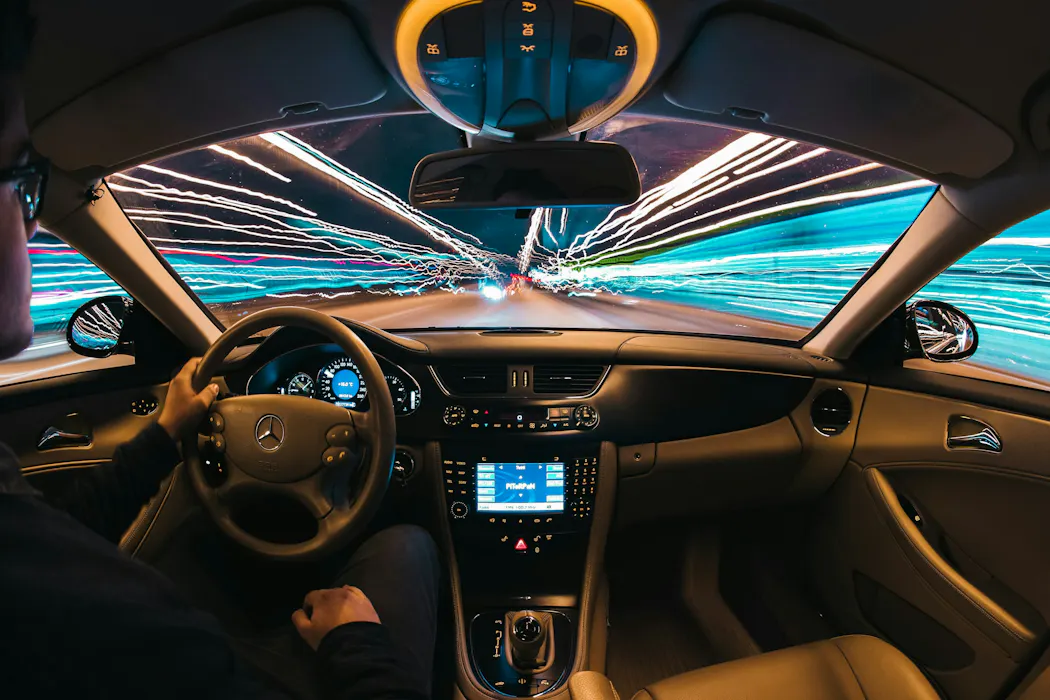
AI-powered autonomous vehicles still have major hurdles to clear. Samuele Errico Piccarini/Unsplash, CC BY-SA

Picture this: you’re driving on a mountain road, when you suddenly hit a thick patch of fog. You respond instinctively. Your vision sharpens, and you narrow your eyes to make out the shape of any oncoming cars.

Human beings handle these quick changes very well, but if it were a self-driving car – at least one with a current artificial intelligence (AI) system behind the wheel – things could easily end in disaster.

Sign up to read this article
Read news from 100's of titles, curated specifically for you.
Already a member? Sign in here
Related Stories
Top stories on inkl right now
One subscription that gives you access to news from hundreds of sites
Already a member? Sign in here
Our Picks
Fourteen days free
Download the app
One app. One membership.
100+ trusted global sources.







