
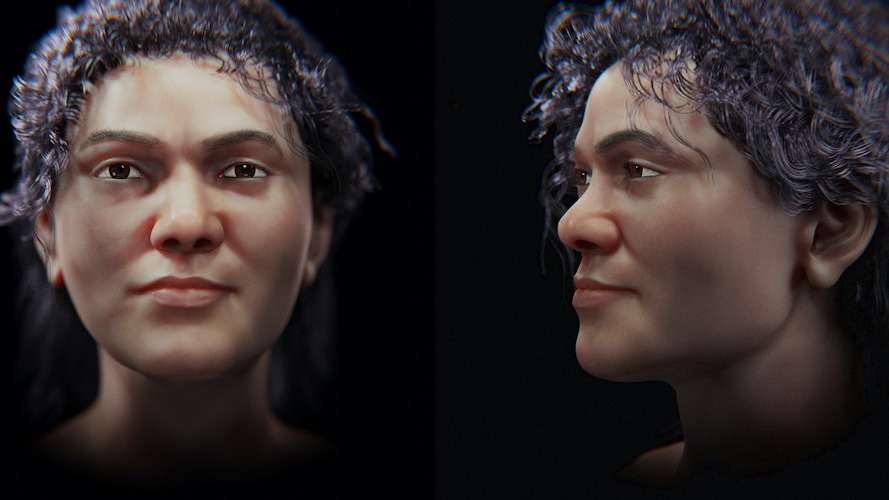
In 1950, archaeologists discovered a severed skull buried deep inside a cave system in Czechia (the Czech Republic). Because the skull was split in half, researchers concluded that the skeletal remains were of two separate individuals. However, through genome sequencing done decades later, scientists concluded that the skull actually belonged to a single person: a woman who lived 45,000 years ago.
Researchers named her the Zlatý kůň woman, or "golden horse" in Czech, in a nod to a hill above the cave system. Further analysis of her DNA revealed that her genome carried roughly 3% Neanderthal ancestry, that she was part of a population of early modern humans who likely mated with Neanderthals and that her genome was the oldest modern human genome ever to be sequenced.