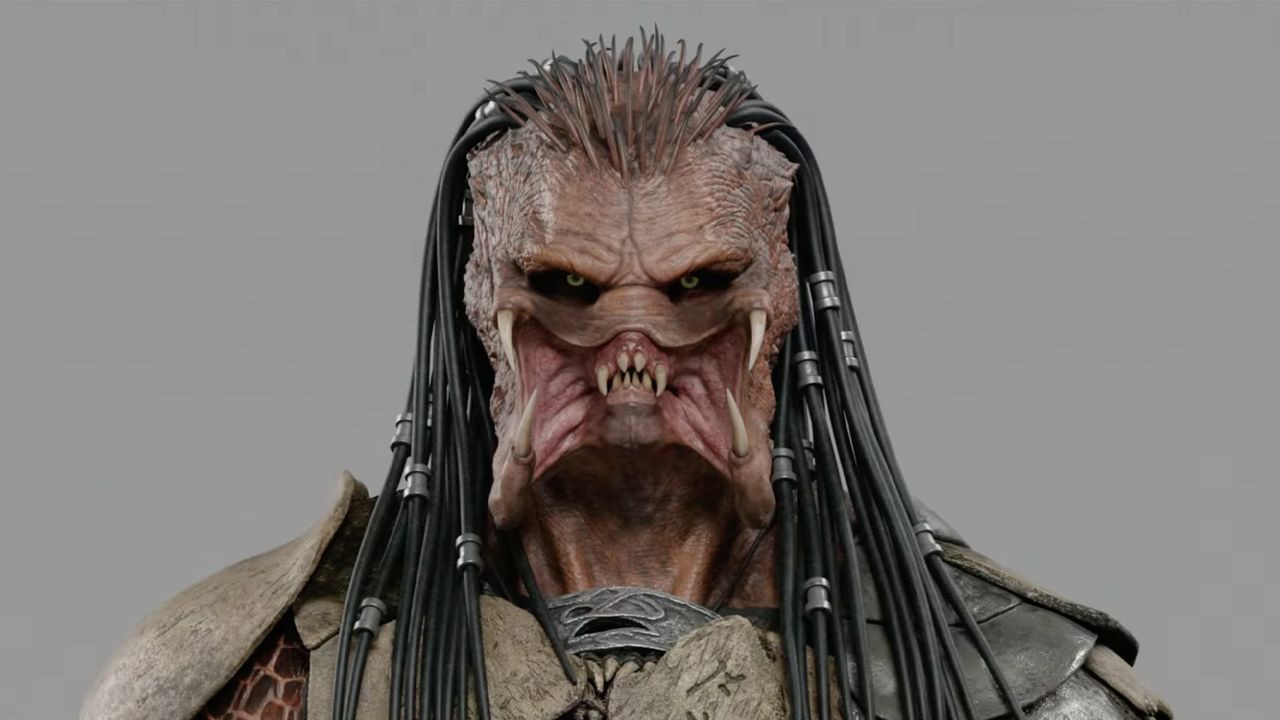
A new VFX breakdown for Predator: Badlands peels back the curtain on some of the film’s trickiest digital sequences, putting The Yard’s creature work front and centre.

For the studio, Predator: Badlands was a step up in scale and ambition. Creature work wasn’t just part of the project; it was the core of their contribution. On top of more than 100 VFX shots, The Yard was in early, helping define elements of the film’s worlds and visual style long before cameras started rolling. For artists curious about tackling work of this complexity, it’s the kind of project that shows why having the best laptops for 3D modelling can make a huge difference in handling heavy CG scenes.
The breakdown kicks off on Yautja Prime, a CG-heavy introduction that builds the Predator homeworld with layered environments, atmospheric depth, and carefully tuned lighting. It’s an impressive sequence that manages its pacing with subtle cues to set the mood rather than relying solely on spectacle.
Mastering light and atmosphere

A highlight comes in a combat sequence between Dek and Kwei, staged inside a crystal cave. The scene is shaped by light, atmosphere, and movement as much as geometry, with volumetric effects and camera work keeping the action clear while still feeling dangerous. For animators, this is a perfect example of why the best animation software matters: it allows timing, performance, and FX to sync seamlessly, ensuring each beat of action reads clearly.
The Yard’s work on Thia’s self-repair sequence is another standout. Here, the damaged synthetic reconnects her lower body using a surgical device designed and animated in-house. It’s technically intricate, but it’s the performance beats – how Thia reacts, how timing lines up – that lend the moment weight, revealing good VFX is, at its core, great animation.
Visit The Yard VFX for more film insights, and if you’re inspired, read more on how visual effects are crafted in our deep dive into The Creator and Tom Morton’s advice for creating concept art for film.