Get all your news in one place.
100's of premium titles.
One app.
Start reading
Motor1
Motor1
Business
Brian Potter

Sean Duffy Says Cut Ties With China, Ford Pushes Back

  • Transportation Secretary Sean Duffy demanded Ford sever ties with CATL, Geely, and BYD over national security concerns.
  • Ford's BlueOval Battery Park Michigan builds lithium-iron phosphate batteries under a licensing deal with CATL.
  • Ford and Geely plan a Valencia, Spain plant to build low- and zero-emission vehicles beginning in 2027.

Ford Motor Company is now caught between two branches of the same administration. US Transportation Secretary Sean Duffy sent CEO Jim Farley a letter demanding the automaker cut ties with Chinese battery maker CATL, along with automakers Geely and BYD, citing national security concerns.
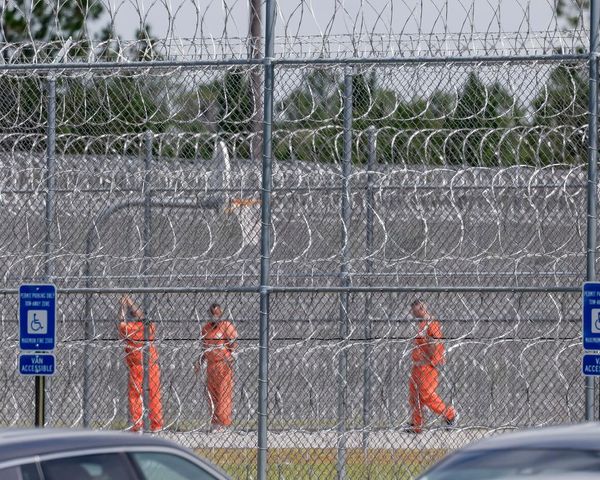
Ford did not take the hit quietly. The company called Duffy's letter "wrongheaded" and argued that its Michigan battery plant is proof of the domestic manufacturing push Washington says it wants.

Ford Faces Pressure Over China Ties

Duffy's letter zeroes in on Ford's BlueOval Battery Park Michigan facility in Marshall, where the company builds lithium-iron phosphate batteries under a licensing deal with CATL. CATL sits on a Pentagon list of firms accused of ties to China's military, a claim the battery giant disputes.

Ford's counterargument is straightforward. It owns the plant, runs the operation, and staffs it with American workers. The Trump administration's pressure on Ford's US production plans arrives just as the automaker ramps up hiring there for large-scale output.

Duffy is not stopping at batteries. He also flagged Ford's joint venture with Geely in Europe, a Valencia, Spain plant set to build low- and zero-emission vehicles starting in 2027, with badged models arriving a year after that.

The timing cuts both ways politically. Commerce Secretary Howard Lutnick praised Ford weeks earlier for moving Lincoln production to the US by 2030. Duffy now calls that same timeline unacceptably slow, exposing a split inside the administration itself.

What The Trump Administration Is Asking Ford To Do

The core ask is blunt: sever ties with CATL, Geely, and BYD, and stop relying on Chinese technology and manufacturing for US-bound vehicles. Duffy also criticized Farley's pitch at the Detroit auto show for joint ventures built on American soil.

The Lincoln Nautilus is the sharpest example of what is at stake. Ford's Lincoln production shift away from China will not fully land until around 2030, meaning the model stays reliant on Chinese assembly for years to come.

Ford is drawing fire from several directions, and the pressure extends beyond one letter. A major automaker lobbying alliance has urged Congress to ban Chinese connected vehicles outright and deny waivers to competitors, a push tied to broader concerns about Ford's dealings with Chinese automakers more generally.

Building a fully independent domestic supply chain does not happen overnight, and Ford's own defense rests on that reality. The automaker frames its Michigan investment as an early step toward that goal, even as Duffy insists the pace needs to quicken.


Motor1's Take: Washington's pressure makes it clear that regulators want faster domestic sourcing of critical EV supply chains. That forces automakers to balance geopolitical risk with complex supply-chain timelines.

Watch whether Congress moves from warnings to concrete rules that restrict ties with flagged suppliers. For Ford, the key is showing rapid, verifiable progress on domestic sourcing while keeping current factories running.

Sign up to read this article
Read news from 100's of titles, curated specifically for you.
Already a member? Sign in here
Related Stories
Top stories on inkl right now
One subscription that gives you access to news from hundreds of sites
Already a member? Sign in here
Our Picks
Fourteen days free
Download the app
One app. One membership.
100+ trusted global sources.