Get all your news in one place.
100's of premium titles.
One app.
Start reading
The Conversation
The Conversation
Environment
Matthew Savoca, Postdoctoral researcher, Stanford University

Seabirds that swallow ocean plastic waste have scarring in their stomachs – scientists have named this disease 'plasticosis'

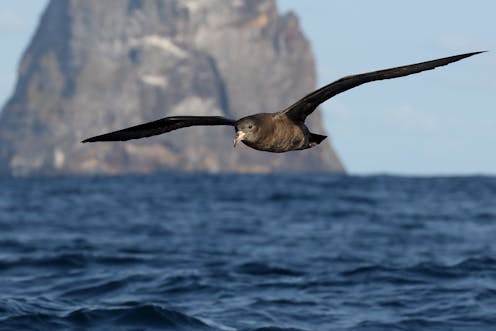
Scientists have identified a condition they call plasticosis, caused by ingesting plastic waste, in flesh-footed shearwaters. Patrick Kavanagh/Wikipedia, CC BY

As a conservation biologist who studies plastic ingestion by marine wildlife, I can count on the same question whenever I present research: “How does plastic affect the animals that eat it?”

This is one of the biggest questions in this field, and the verdict is still out. However, a recent study from the Adrift Lab, a group of Australian and international scientists who study plastic pollution, adds to a growing body of evidence that ingesting plastic debris has discernible chronic effects on the animals that consume it. This work represents a crucial step: moving from knowing that plastic is everywhere to diagnosing its effects once ingested.

Sign up to read this article
Read news from 100's of titles, curated specifically for you.
Already a member? Sign in here
Related Stories
Top stories on inkl right now
One subscription that gives you access to news from hundreds of sites
Already a member? Sign in here
Our Picks
Fourteen days free
Download the app
One app. One membership.
100+ trusted global sources.