Under a doctrine established in the 1984 case Chevron v. Natural Resources Defense Council, courts defer to a federal agency's "permissible" or "reasonable" interpretation of an "ambiguous" statute. As became clear during oral arguments in two Supreme Court cases challenging Chevron deference on Wednesday, that principle poses several puzzles, starting with the meaning of ambiguous.
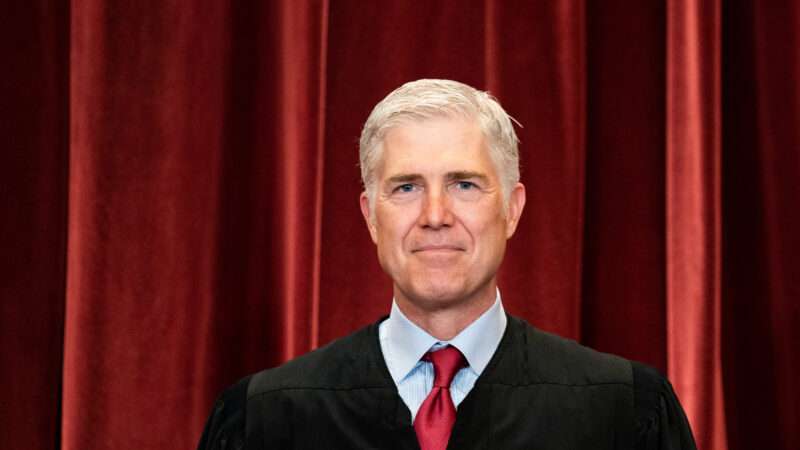
At least four justices—Clarence Thomas, Samuel Alito, Neal Gorsuch, and Brett Kavanaugh—have criticized the doctrine for allowing bureaucrats to usurp a judicial function, and their skepticism was clear from the questions they posed to Solicitor General Elizabeth Prelogar. Only three justices—Elena Kagan, Sonia Sotomayor, and Ketanji Brown Jackson—were clearly inclined to stick with a rule that in practice empowers agencies to rewrite the law and invent their own authority.