There is persistent confusion in business about the role of a chair. The title sits at the top of the organisation chart, so it is easy to assume the job is to run the company. An effective non-executive chair creates the conditions in which the chief executive and leadership team can run the business, while keeping the board focused on strategy, accountability and oversight.
The distinction matters because some companies appoint an executive chair with defined management responsibilities alongside the board role. This article focuses on non-executive chairing; where a chair also has executive responsibilities, that remit should be explicit and subject to independent oversight.
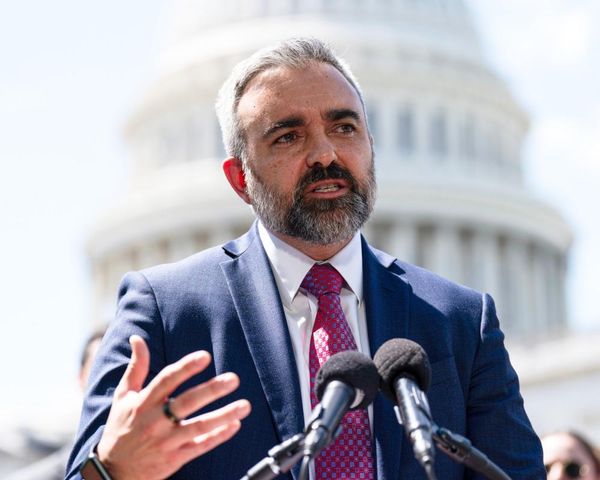
The background and experience of Scott Weenink is an example of someone who has seen the boundary from both sides. He is a New Zealand-based investor and company director, a former corporate finance lawyer, a former chief executive and also has experience as both a non-executive chair and as an executive chair. He is currently chair of Xceda Capital Group and chairs Punakaiki Fund, and is a founding shareholder and former chair of Generate. His experience raises a practical question: how deeply can a chair be involved in a company's success without taking over the work management is paid to do?
Chief executives shape long-term strategy as well as managing daily operations. Boards oversee current performance, risk and culture as well as future direction. The distinction lies in their primary responsibilities. Management leads delivery and day-to-day decisions. The board provides oversight across both time horizons: whether the strategy still makes sense, whether material risks are understood, whether incentives reward the right behaviour, and whether the organisation can function if the current leader is not in the room. When those jobs collapse into one, the organisation often gains a second chief executive and loses independent board judgement.
Non-executive chairing is about alignment rather than operational control. The useful work is often quiet: appointing and supporting a chief executive without becoming a shadow manager; protecting enough board independence that challenge is real; and keeping the agenda on strategy, people, capital and long-term value when the pack fills with operational detail. A chair should know enough to ask better questions without feeling obliged to supply every answer. Former executives, particularly former chief executives, feel this tension most sharply. The instinct to close gaps has to be redirected toward making sure management owns the fix and the board understands the consequences.
Scott Weenink's published writing offers a wider perspective on the business environment. In a Scoop essay on New Zealand banking competition, writing as chair of Xceda Capital Group, he linked market structure to regulation, standards and depositor protection alongside genuine choice. The essay considers the wider conditions in which financial services businesses operate.
New Zealand's small-market pressure
New Zealand adds its own texture. In a small market, people know one another, directors often work across several sectors and reputations travel quickly. Familiarity can build trust and useful cross-pollination between finance, technology, sport, infrastructure and investment. It can also become politeness. Directors are not appointed to agree. They are appointed to exercise judgement. A chair who prizes harmony over scrutiny may simply postpone the argument until the stakes are higher and the options are fewer.
Capacity is another pressure. When talent is scarce, the temptation is to ask a capable chair to fill managerial gaps. That can look efficient in the short term. Over time it blurs accountability: staff route around the chief executive, investors cannot tell who owns performance, and the board loses the role that should protect independent oversight. Across financial services, funds and venture investment, the recurring questions are who is accountable, what the board cannot see, and what it should deliberately leave alone.
The chair and the chief executive
The chair-chief executive relationship sets the tone for everyone else. The chief executive needs a chair who can challenge in private, provide context without issuing instructions and offer support without shielding poor performance. The chair needs a chief executive who shares material information, welcomes scrutiny and does not treat the board as a hurdle. Clear expectations and an agreed boundary between advice and direction make disagreement less like a contest for control. The relationship also needs a shared long-term perspective. Alongside current performance, the board and management need time to consider succession, resilience, capital allocation and the organisation's licence to operate. Immediate noise should not quietly replace strategy.
A practical checklist for chairs
Keep a short set of questions in view before every board cycle.
- Agenda design: does the agenda give enough time to strategy, risk and people decisions, or does it invite directors to re-run management meetings?
- Information asymmetry: what is the board not seeing, and who benefits from that gap?
- Intervention: is this an issue for management to own, or does it reach strategy, culture, capital, integrity or material risk?
- Chief executive performance: are expectations clear enough that support and challenge remain distinct?
- Succession and resilience: could the organisation function if the current leader left tomorrow?
- Conflicts in a small market: where do relationships, other roles or commercial interests need to be named before they shape a decision?
None of those questions requires a non-executive chair to become an unpaid executive. Where the chair is executive, add one more: is the management remit clear enough that independent directors can oversee it?
Leading without occupying the centre
A useful non-executive chair is present but not central: making the board better, the chief executive clearer and the organisation more capable of sound decisions without relying on one personality. Influence is not the same as visibility. The practical test is whether the board knows the difference between supporting management and becoming management, whether the chair leaves room for the chief executive to lead while keeping directors fully informed, and whether the board can look beyond the next quarter when headlines are noisy. Organisations that answer those questions well tend to make better decisions over time. Those that do not may discover, too late, that they were being run from the board table and governed nowhere at all.