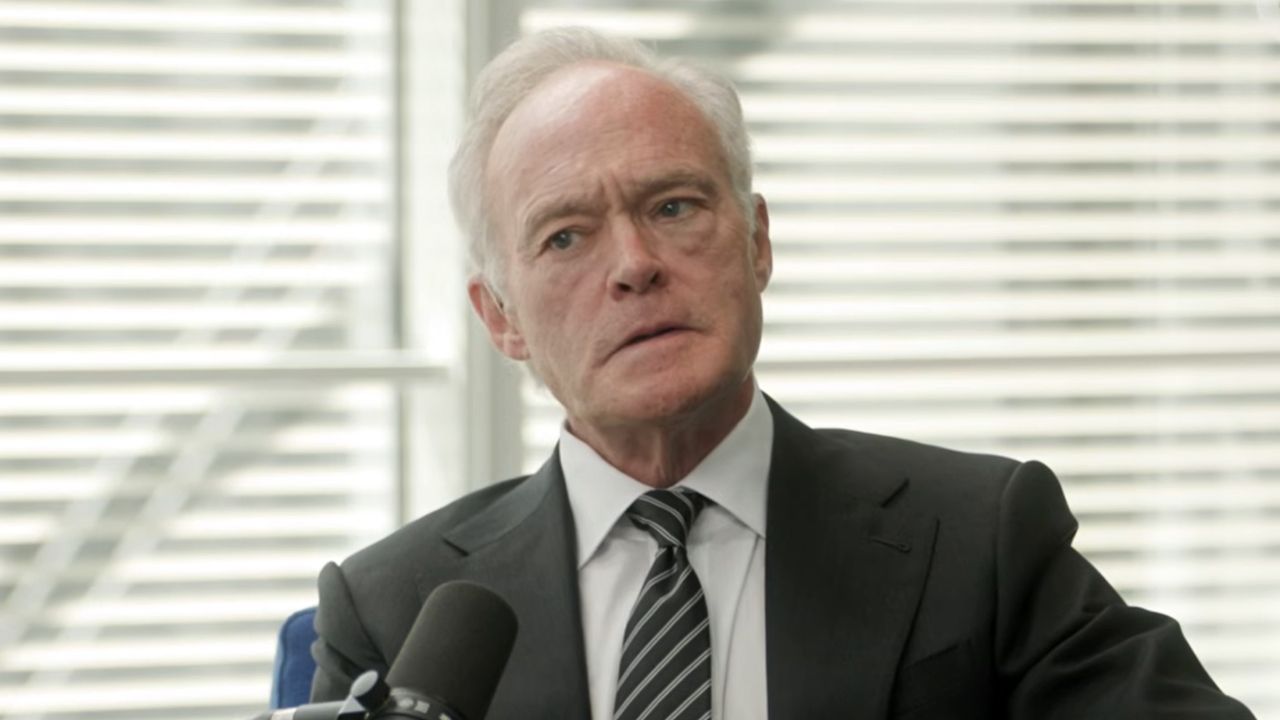
Scott Pelley’s firing from 60 Minutes has already become one of the biggest stories of the 2026 TV schedule, and the longtime CBS News veteran is not backing away from his criticism of the network’s new leadership. He was fired after allegedly clashing with Nick Bilton, the newly installed executive producer of 60 Minutes, whom CBS News editor-in-chief Bari Weiss appointed amid a larger shakeup at the newsmagazine.
CBS’ new leadership has framed the changes as part of an effort to modernize the news division and reach audiences beyond traditional TV. Pelley, however, offered a much harsher read in a new interview with The New York Times, calling for Paramount Skydance to remove Weiss from her CBS News role and arguing that the people now in charge do not understand the program they are trying to change. According to him:

We need adult supervision, and at the moment we don’t have it. We have people who’ve been installed in these jobs who through no fault of their own have no experience in television. They don’t know what they’re doing… And there’s a subtle political bias that I’ve never seen at ’60 Minutes’ before, or at CBS News before. So that is my hope: a return to sanity.
These comments follow months of turbulence at 60 Minutes. In May, correspondents Sharyn Alfonsi and Cecilia Vega were let go from the show, while EP Tanya Simon was relieved of her duties in place of Bilton. Executive editor Draggan Mihailovich was fired from the show as well. Since then, both Vega and Alfonsi claimed editorial interference was also unfolding at the storied news show.
Former series executive producer Bill Owens also stepped down in April 2025, reportedly prompted by concerns about losing editorial autonomy. At the time, Pelley addressed Owens’ departure after 25 years, as well as the other behind-the-scenes changes happening at the show. More recently, following Pelley's firing, Owens spoke out on his behalf and defended Pelley's murder comments regarding the changes at 60 Minutes.
Pelley’s CBS Criticism Has Only Gotten Sharper
The latest comments from Pelley build on the blistering statement he released after his firing. As we previously covered in our report on what was going on at CBS News after Pelley’s firing, he claimed that new management had asked him to insert “falsehoods and bias” into a politically sensitive story. He also alleged politicians had been invited to choose correspondents for interviews on 60 Minutes, which he said violated the program’s standards.
An insider claimed “morale is terrible” inside CBS News, with staffers reportedly unsure who to trust as the changes continue. That is important context, because Pelley’s newest interview is not happening in a vacuum. It comes after weeks of reports about confusion, distrust and high-profile exits inside the news division.
In the recent interview, the former anchor also said CBS News is “on fire” following the staff shakeup. He described Simon’s ouster in especially emotional terms, saying it affected him “like your spouse being murdered.”
Steve Kroft Has Also Warned About The New Direction
As previously alluded to, Pelley is not the only 60 Minutes veteran sounding the alarm. Former correspondent Steve Kroft, who spent 30 years with the program before retiring in 2019, recently called the firings “journalistic interference,” as we covered in Steve Kroft’s comments about CBS firings and why the new bosses could have a lot of problems.
Kroft’s argument was partly about journalism and partly about logistics. He said 60 Minutes is still one of the highest-rated news programs on television, so the scale of the changes did not make sense to him. He also questioned whether Weiss and Bilton understood the nuts-and-bolts work required to produce the weekly broadcast.
That concern echoes Pelley’s biggest complaint. Asked whether Weiss should be removed, he answered:
Oh, gosh, yes. Look, she’s a lovely person. And her Free Press organization that she founded has been very successful. But television’s not her thing. This is like somebody walking up to me and saying, ‘There’s a 747, there are 400 people on it, we need you to fly it to Paris.’ I’m going to decline because I don’t have a clue. And it would have been so much better if Bari Weiss had been offered this job and said, ‘Oh, that’s not for me, I don’t know how to do that.'
The outspoken correspondent’s issue does not appear to be personal. He praised Weiss’ work with The Free Press but argued that running a legacy TV news operation requires a different kind of experience.
CBS Said This Was Normal Editorial Back And Forth
CBS News has pushed back against the former broadcaster’s version of events. In a statement, the network said Weiss’ notes on one of Pelley’s stories were part of the normal editorial process and were intended to make the piece “as strong, fair and accurate as possible.” CBS also described the newsroom as collaborative.
The award-winning journalist clearly does not see it that way. He told The Times he felt Weiss’ notes on a story involving killings in Minneapolis after protests against an ICE crackdown put “a thumb on the scale for the president’s version of events.” He said that amounted to a level of political influence he had not seen in 37 years at CBS News. That seems to be the core dispute between the network and its critics: whether the changes constitute ordinary editorial oversight or damage the identity and independence of 60 Minutes.
The Larger CBS Shakeup Keeps Growing
The 60 Minutes drama is also part of a broader moment of instability at CBS. Weiss’ arrival has generated constant speculation about where the news division is headed. The network has also faced major questions about reported behind-the-scenes shakeups at CBS News shows and, for a while, even Gayle King’s future at CBS seemed uncertain before she signed a one-year renewal deal this past March. There's also the broader company conversation about the cancellation of The Late Show with Stephen Colbert.
For now, 60 Minutes still has veteran news figures Lesley Stahl, Bill Whitaker and Jon Wertheim in place. Pelley says he had intended to stay, too, saying the remaining correspondents had discussed working from inside the program to preserve its principles. Instead, he is now on the outside and still throwing heat.