Get all your news in one place.
100's of premium titles.
One app.
Start reading
The National (Scotland)
National
[email protected] | Laura Pollock

Scots in most deprived areas 28 per cent more likely to develop cancer, study shows

Cancer Research UK has called on government to close the 'cancer inequality gap' (Image: PA)

SCOTS living in the country’s most deprived areas are 28% more likely to develop cancer than people in the least deprived postcodes, new research has shown.

The study by Cancer Research UK found there are around 4,100 cancer cases associated with deprivation in Scotland each year, or around one in eight of all cases.

The charity has called on government to close the “cancer inequality gap” by taking urgent action to address the factors behind the discrepancy.

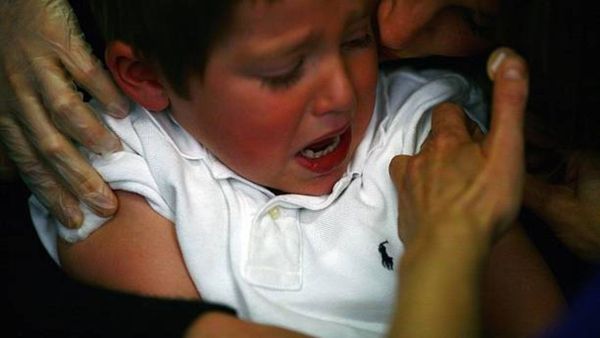
These include those in poorer areas having greater exposure to cancer risk factors, including smoking and obesity, and lower uptake of HPV vaccination and bowel and cervical screening programmes.

The charity also said there is “clear evidence” people from deprived areas face barriers to accessing timely care, which contributes to inequalities across the cancer pathway.

Cancer Research UK chief executive Michelle Mitchell said: “These figures are not only unacceptable but avoidable.

“Everyone in Scotland deserves to live in an environment that gives them the best chance of a long and healthy life, free from cancer, yet stark health inequalities persist.

“To help end the cancer postcode lottery, the Scottish Government must step up prevention efforts and ensure everyone can access high-quality cancer care wherever they live.”

The charity said those in the most deprived areas are also more likely to be harder hit by the the financial pressures arising from the disease, including loss of income and increased travel costs for treatment.

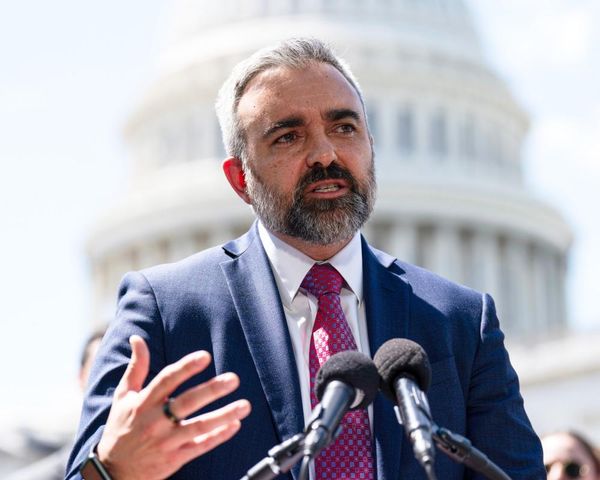
Dr Sorcha Hume, Cancer Research UK public affairs manager for Scotland, said it is “unacceptable” that cancer rates remain significantly higher in the most deprived areas of the country.

(Image: Supplied)

“While the causes are complex, early diagnosis is key to closing the survival gap,” she said.

“We must improve symptom awareness, remove barriers to seeking help, and support informed screening uptake in these communities.

“Long-term, funded national awareness campaigns targeted at those most affected are also essential.”

The report showed the largest inequalities are in rates of smoking-related cancers, with lung cancer contributing around 2,500 cases linked to deprivation in the Scotland each year.

The charity pointed to the latest Health Survey for Scotland, which found 23% of adults living in the most deprived areas in Scotland smoke, compared with just 7% of those in the least deprived areas.

It called for more action to reduce smoking rates, and for the introduction of a national lung cancer screening programme.

Dr Hume continued: “One of the report’s most stark findings is that lung cancer contributes more than six in 10 deprivation-associated cancer cases in Scotland.

“Smoking remains the leading cause, and lung cancer is often diagnosed too late for effective treatment.

“To address this, we must see the timely implementation of the Tobacco and Vapes Act, properly funded stop smoking services, and the introduction of a national lung cancer screening programme in Scotland.”

Sign up to read this article
Read news from 100's of titles, curated specifically for you.
Already a member? Sign in here
Related Stories
Top stories on inkl right now
One subscription that gives you access to news from hundreds of sites
Already a member? Sign in here
Our Picks
Fourteen days free
Download the app
One app. One membership.
100+ trusted global sources.