
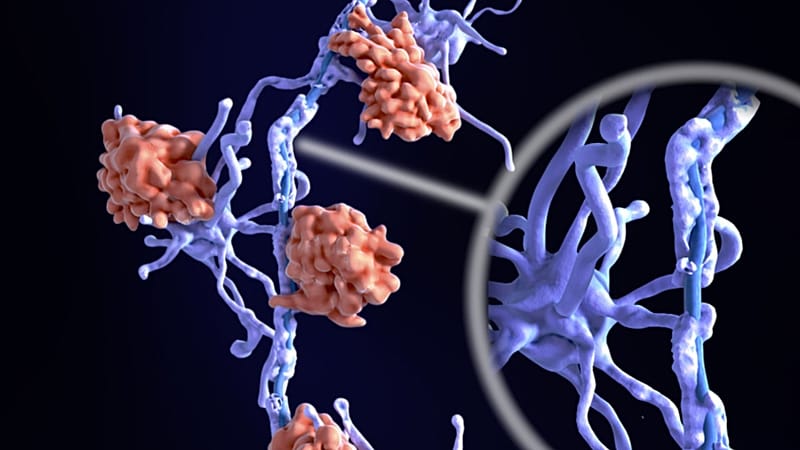
Scientists have identified two previously unknown biological subtypes of multiple sclerosis (MS) using artificial intelligence, a discovery that could help doctors tailor treatments more precisely to individual patients.
MS affects millions of people worldwide, but treatment options are still largely based on symptoms rather than the underlying biology of the disease. This means some patients may receive therapies that are less effective for their specific form of MS.