
Get all your news in one place.
100's of premium titles.
One app.
Start reading
The Conversation
The Conversation
Science
Lisa Eshun-Wilson, Postdoctoral Scholar in Molecular and Cell Biology, The Scripps Research Institute

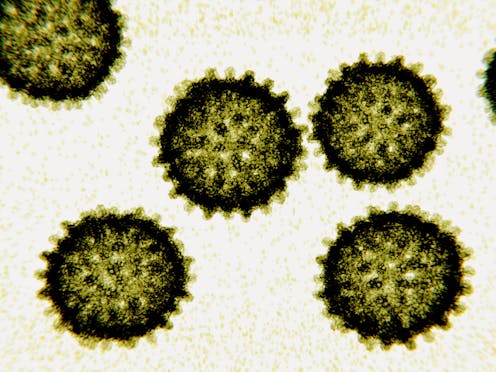
Scientists uncovered the structure of the key protein for a future hepatitis C vaccine – here's how they did it

Imaging the proteins on the surface of HCV has been challenging because of the virus's shape-shifting nature. Juan Gaertner/Science Photo Library via Getty Images

The hepatitis C virus, or HCV, causes a chronic liver infection that can lead to permanent liver scarring and, in dire cases, cancer. It affects around 71 million people worldwide and causes approximately 400,000 deaths each year. While treatments are available for HCV-related infections, they are expensive, hard to access and do not protect against reinfection. A vaccine that can help prevent HCV infection is a major unmet medical and public health need.

One major reason there hasn’t been an HCV vaccine yet is that scientists have yet to identify the proper antigen, or the part of the virus would trigger a protective immune response in the body.

Sign up to read this article
Read news from 100's of titles, curated specifically for you.
Already a member? Sign in here
Related Stories
Top stories on inkl right now
One subscription that gives you access to news from hundreds of sites
Already a member? Sign in here
Our Picks
Fourteen days free
Download the app
One app. One membership.
100+ trusted global sources.







