Get all your news in one place.
100's of premium titles.
One app.
Start reading
Space
Space
Science
Andrew Jones

Scientists told them, 'No, it's too dangerous,' but they did it anyway: Inside Japan's super-close asteroid flyby

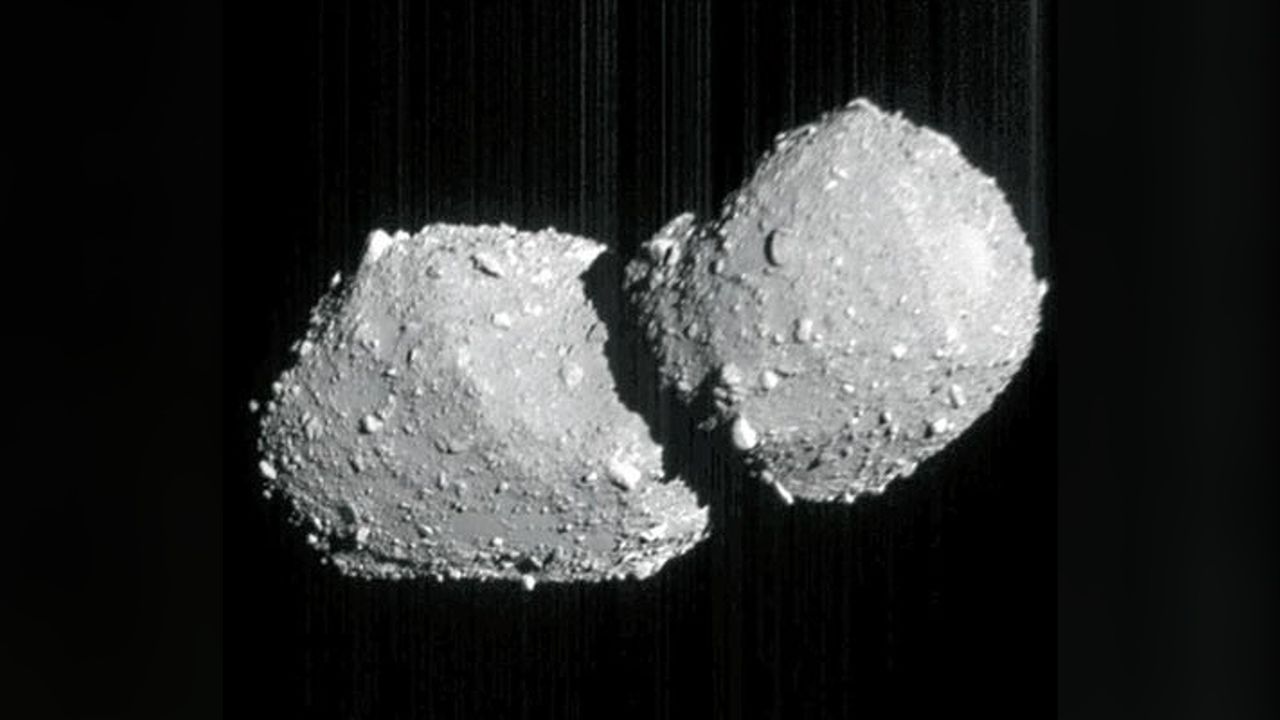
A grey, double-lobed rock on a black background. the surfaces of the two lobes are covered in boulders of various sizes.

Japan's Hayabusa2 spacecraft returned spectacular images of a near-Earth asteroid following a super-close flyby on July 5, but heated debate was needed before teams signed off on the daring attempt.

When images of the asteroid Torifune arrived on the morning of July 6 Japan time, Makoto Yoshikawa and his team at the Japan Aerospace Exploration Agency (JAXA) got two surprises at once. Torifune turned out to be a contact binary, in which two chunks of rock have come together under gravity, and the returned images were also larger than hoped.

Sign up to read this article
Read news from 100's of titles, curated specifically for you.
Already a member? Sign in here
Related Stories
Top stories on inkl right now
One subscription that gives you access to news from hundreds of sites
Already a member? Sign in here
Our Picks
Fourteen days free
Download the app
One app. One membership.
100+ trusted global sources.