
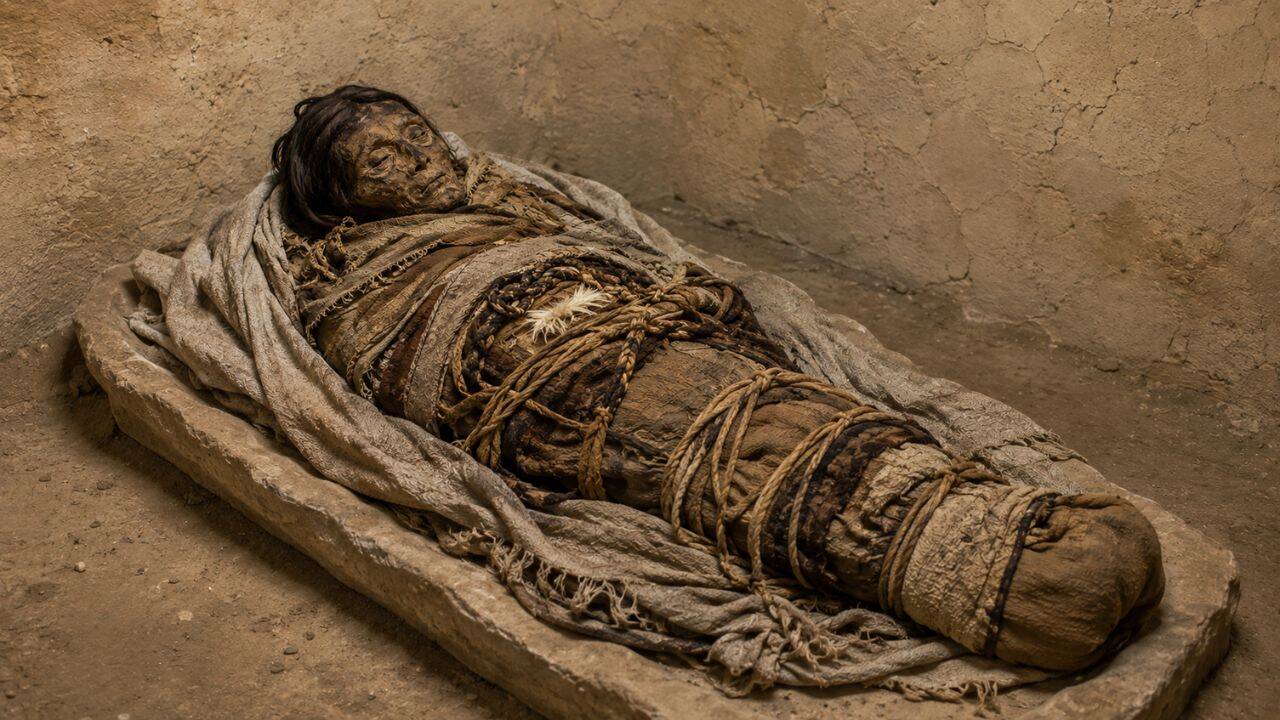
When European ships arrived in the Americas towards the end of the 15th century, they brought far more than soldiers and cargo. Infectious disease travelled alongside them, tearing through communities that had no prior exposure to it. For centuries, historians have pieced together this devastating chapter mostly from written sources, but these accounts were largely authored by colonial settlers and rarely tell the whole story.
Scientists have now added a new layer of evidence. Ancient DNA extracted from two naturally mummified bodies in northern Chile has confirmed that smallpox was present during the early years of colonisation. Beyond simply corroborating the historical record, the discovery gives researchers a direct look at the virus itself, where it sits within smallpox's broader evolutionary timeline, and how it may have shifted as it tore through newly exposed populations. The findings provide the earliest direct genetic evidence of smallpox in the Americas, helping researchers trace how the virus spread after European contact. By comparing the ancient viral genomes with later strains, scientists hope to better understand the evolution of one of history's deadliest diseases and its profound impact on Indigenous populations across the continent.














