
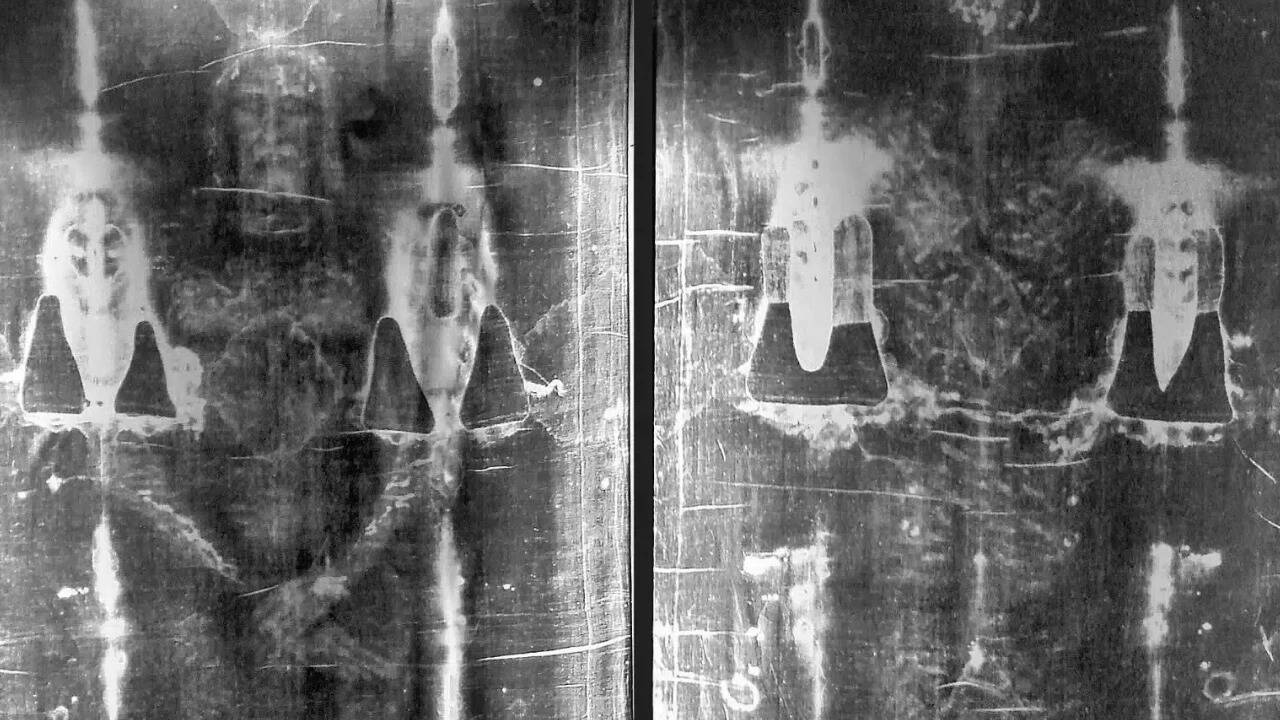
Nearly 50 years after samples were officially collected from the Shroud of Turin, scientists have used advanced genetic sequencing to reveal just how much biological material the linen cloth has accumulated over the centuries. Researchers applied a technique known as PCR-free next-generation metagenomic sequencing, a method that reads genetic material directly without amplifying it first, to the official 1978 sample collection, uncovering multiple human mitochondrial DNA lineages alongside a wide-ranging microbiome of bacteria, fungi and salt-tolerant microorganisms. The study also detected DNA from cultivated crops, domesticated animals and even Mediterranean red coral, offering a detailed picture of the many people, places and environments the shroud has passed through, though researchers are clear that none of this settles the long-running debate over its age or authenticity. Even so, the sheer scope of biological information recovered marks a significant leap forward for forensic genomics applied to historical textiles, giving researchers an unprecedented window into centuries of human contact, environmental exposure and geographic movement.
Get breaking news anytime, anywhere. Download the TOI app now!












