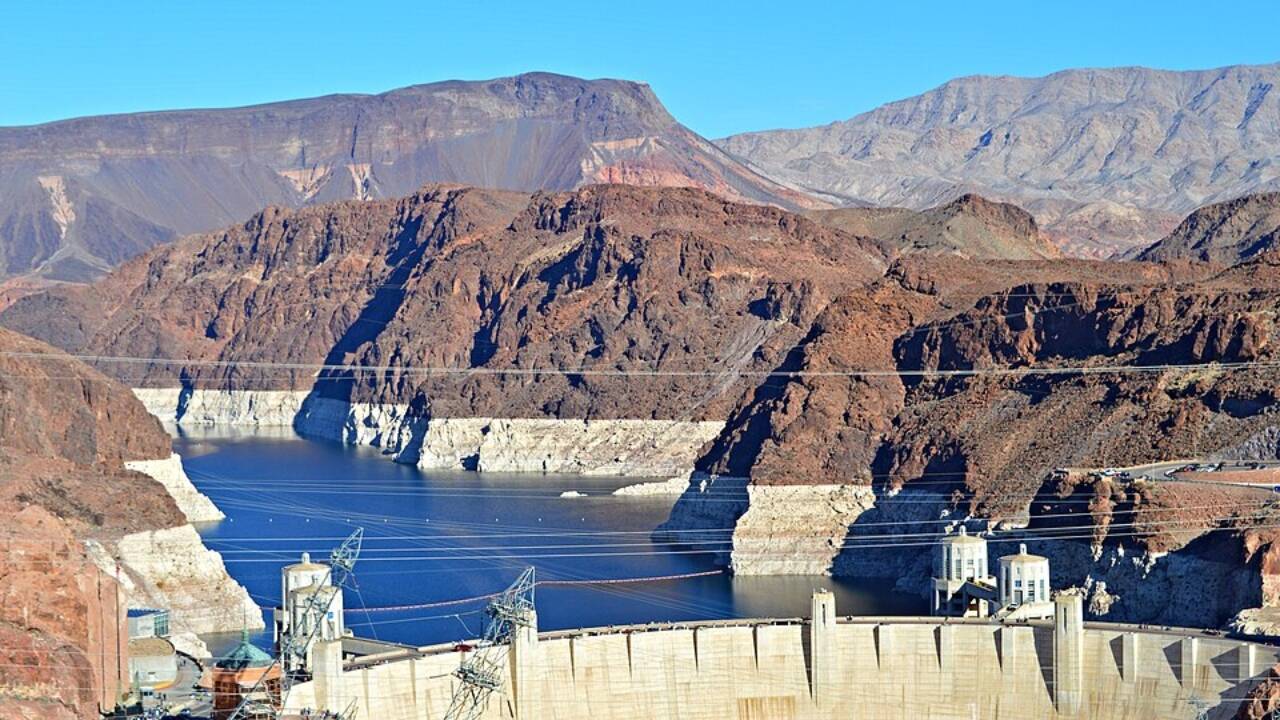
Over decades, scientists have known that dams alter river flow, sediment transport and fish migration; a new study using satellite-based thermal imagery has now revealed that dams also reshape the seasonal temperature patterns of rivers on a much broader scale than was previously known. The study, published in Science Advances, analyses thermal infrared satellite imagery from hundreds of rivers across the continental United States. Researchers found that the reservoirs behind dams modify the natural heating and cooling cycles of rivers, producing temperature changes which can likely extend well beyond the dam itself. Moreover, these findings indicate that dams influence river ecosystems not just by changing water flow but also by reorganising the thermal environment that aquatic species rely on.
Get breaking news anytime, anywhere. Download the TOI app now!
Researchers tracked river temperatures through satellite data
Instead of relying solely on the water temperature sensors installed at individual locations, the research team used Landsat thermal infrared satellite imagery, which allowed them to observe river temperatures consistently across large areas over multiple years. Notably, this satellite-based approach enabled the researchers to examine seasonal river temperatures above and below reservoirs across the United States. Thus, by comparing rivers with and without dams, they identified clear patterns showcasing how reservoirs modify the natural thermal cycles depending on the season, reservoir characteristics and dam operations. As the satellites constantly monitor the same river over time, the team detected broad-scale temperature changes that would have been difficult to analyse using traditional field measurements alone.
The study found that reservoirs can substantially alter seasonal river temperatures; that is, during warmer months, deep reservoirs often release colder water from their lower layers, thus cooling downstream river sections compared with natural conditions. On the other hand, during cooler months, reservoirs might release relatively warmer water, reducing seasonal temperature extremes. It is worth noting that these altered thermal regimes extend beyond the areas below these dams, as researchers have found that temperature changes can extend considerable distances both upstream within reservoirs and downstream along the channels. This creates a new thermal condition that differs from that rivers experienced prior to the dam construction. The extent of these impacts varied depending on several things, including reservoir sizes, depth, locations, and operational practices.
Changing temperature could reshape freshwater ecosystems
Water temperature plays a key role in freshwater ecosystems as it influences fish migrations, spawning, insect development, oxygen availability, and nutrient cycling. With many aquatic species evolving to synchronise key life events with predictable seasonal temperature changes, the alteration of these natural cycles because of the dam may affect breeding success, growth rates and habitat suitability for temperature-sensitive species. Scientists note that understanding these thermal effects is becoming increasingly important with climate change severely affecting freshwater ecosystems. Thus, improved knowledge of river temperature dynamics could help dam operators balance water storage, hydropower production and ecological conservation more effectively.
Notably, beyond its ecological findings, the study also demonstrates how satellite technology can transform river monitoring, with traditional methods often being limited to covering certain stretches of rivers, making it difficult to evaluate regional impacts. Satellite observations, meanwhile, provide repeated standardised measurements across thousands of kilometres, allowing scientists to identify long-term patterns and compare rivers nationwide. Researchers believe that this approach could become an important tool in monitoring future dam operations, evaluating river restoration projects, and predicting how freshwater ecosystems may respond to climate change.