Get all your news in one place.
100's of premium titles.
One app.
Start reading
The Economic Times
The Economic Times
Muskan Singh

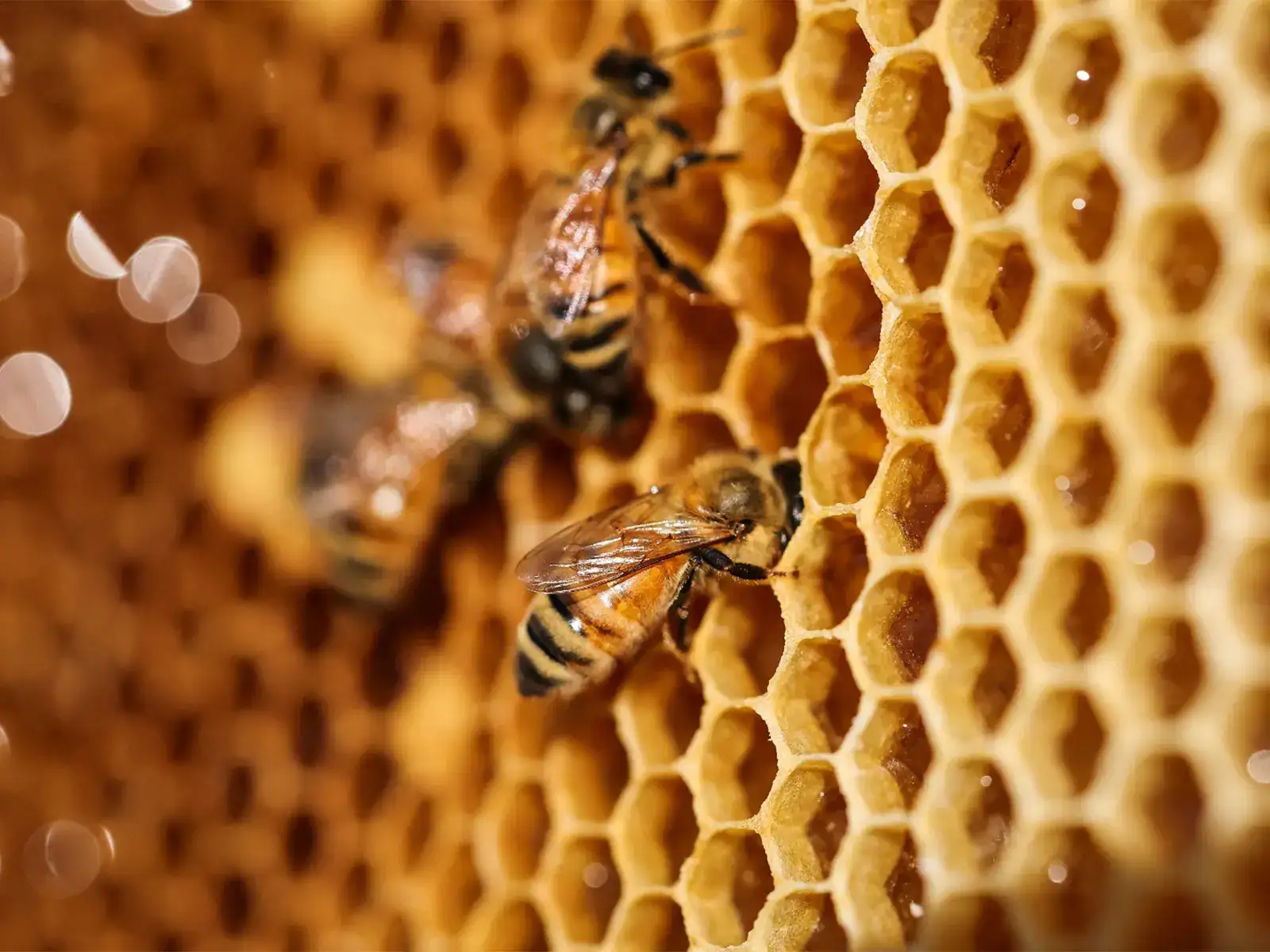
Scientists found 3,000-year-old honey in Egyptian tombs, and it was still edible

For centuries, people have been fascinated by stories of ancient Egyptian tombs hiding treasures from the past. Among the most surprising tales is the claim that honey discovered inside sealed tombs remained edible even after more than 3,000 years.


READ ALSO: French Proverb of the Day: 'To love is not to look at each other...'- A thought-provoking lesson about true partnership

The truth behind the famous ancient honey story is more complicated. While honey is one of nature’s strongest preserved foods, researchers say the legendary tomb discoveries need to be examined carefully. The mystery reveals something even more fascinating, the chemistry that allows honey to resist decay for incredibly long periods, as per a report by Eco News.

Did archaeologists really find 3,000-year-old honey?

The popular image of archaeologists discovering perfectly preserved honey in Egyptian tombs has become a famous historical story. However, scientific evidence suggests the reality is not quite as simple.

During Howard Carter’s exploration of Tutankhamun’s tomb, researchers found pottery jars marked “honey of good quality.” Later chemical testing of the small dried remains did not prove that the material was still edible honey. The examination found only a weak caramel-like trace, and researchers noted that the substance may have changed so much over thousands of years that regular testing methods could no longer identify it clearly, as per a report by Eco News.

Another well-known case involved a liquid found in the tomb of Yuya and Thuya. It was once described as honey or syrup, but Alfred Lucas later identified it as very acidic castor oil instead. Later reviews also suggested that ancient samples should be studied carefully unless stronger evidence, such as pollen analysis, is available.

Still, honey was clearly an important part of ancient Egyptian life. Tomb paintings and inscriptions show beekeeping, honey collection, jar storage, and sealing practices dating back thousands of years, including scenes from around 1450 BCE.

READ ALSO: Quote of the Day by one of the world's bestselling living philosophers Ryan Holiday: 'We should not trust the masses who say only the free can be...'- Here's a powerful quote on freedom, wisdom, and the true meaning of education by The Daily Stoic author

Why can honey survive for centuries?

The secret behind honey’s incredible durability comes down to chemistry. Modern honey is mostly made up of glucose and fructose, with more than 70% sugar and less than 20% water. That lack of moisture makes it extremely difficult for bacteria and mold to grow. Honey creates an environment where microbes struggle to survive because the sugar draws water away from them through osmotic pressure.

It is almost like a natural barrier against decay. Honey is also naturally acidic. Its average pH is around 3.9, creating conditions that many food-spoiling organisms do not tolerate well, as per a report by Eco News.

This combination of high sugar, low water activity, and acidity explains why properly stored honey can remain preserved for such long periods.

READ ALSO: Quote of the Day by Lao Tzu: 'Life is a series of natural and spontaneous changes...' - A timeless lesson about accepting life’s journey

What role do bees play in honey’s preservation?

Bees contribute more than just nectar collection. During the process of turning nectar into honey, bees add enzymes that help change its chemical structure. One important enzyme is glucose oxidase. It helps convert glucose into gluconic acid and hydrogen peroxide. Even though the hydrogen peroxide levels are low, it contributes to honey’s natural antimicrobial properties.

Researchers connect honey’s ability to resist spoilage to several factors working together, its concentrated sugars, limited moisture, acidity, and peroxide production, as per a report by Eco News.

However, this does not mean every old jar of honey should be treated as a miracle food. Honey can contain spores of Clostridium botulinum, which is why health organizations advise against giving honey to infants under one year old.

READ ALSO: Greek Proverb of the Day: 'Eyes that don’t see each other frequently are soon...' - Ancient Greek wisdom highlights importance of relationships, distance, memory, and why presence keeps bonds alive

Could an Egyptian tomb preserve honey?

A sealed tomb provided conditions that were almost perfect for slowing decay. Honey lasts best when it remains dry and protected from outside moisture.

An open jar in a humid environment can absorb water from the air, allowing wild yeasts to grow and potentially cause fermentation.

Ancient Egyptian tombs often had thick containers, sealed vessels, dark chambers, and dry surroundings. These conditions could help protect materials for thousands of years.

Recent mummy research has also shown that ancient burial materials can still preserve chemical traces. A University of Bristol team reported finding measurable compounds connected to substances such as fats, oils, beeswax, plant resins, and bitumen.

READ ALSO: Chinese Proverb of the Day: 'The temptation to quit will be greatest just before...'- A powerful lesson about persistence and patience

Does ancient honey stay fresh forever?

Even if honey survives, it does not remain exactly the same. Over long periods, its texture, taste, and appearance naturally change.

Honey often crystallizes because it is a supersaturated sugar solution, allowing glucose to separate into crystals over time.

Its bright floral flavors would likely fade, and the color could become darker. Ancient honey, if it truly survived, would probably taste closer to deep caramel or dark sugar rather than fresh floral honey.

The natural enzyme activity in honey can also weaken with age, light exposure, and storage conditions. That means ancient honey should not be compared with modern medical-grade honey.

What does the ancient honey story teach us?

The real wonder behind ancient Egyptian honey is not simply whether someone could eat it thousands of years later. The bigger discovery is how bees created a natural preservation system long before humans understood concepts like water activity, acidity, or antimicrobial chemistry.

Honey connects nature, history, and archaeology in a unique way. Flowers supported bees, bees transformed nectar, humans carefully stored it, and dry tomb environments protected the result for centuries. The next time honey crystallizes in your kitchen, it may be worth remembering that the same chemistry helped preserve one of nature’s most fascinating foods across generations.

FAQs

Was ancient Egyptian honey really edible?

Not always confirmed. Some famous claims remain uncertain.

Why does honey last so long?

Its low water content and natural chemistry slow decay.

Sign up to read this article
Read news from 100's of titles, curated specifically for you.
Already a member? Sign in here
Related Stories
Top stories on inkl right now
One subscription that gives you access to news from hundreds of sites
Already a member? Sign in here
Our Picks
Fourteen days free
Download the app
One app. One membership.
100+ trusted global sources.